
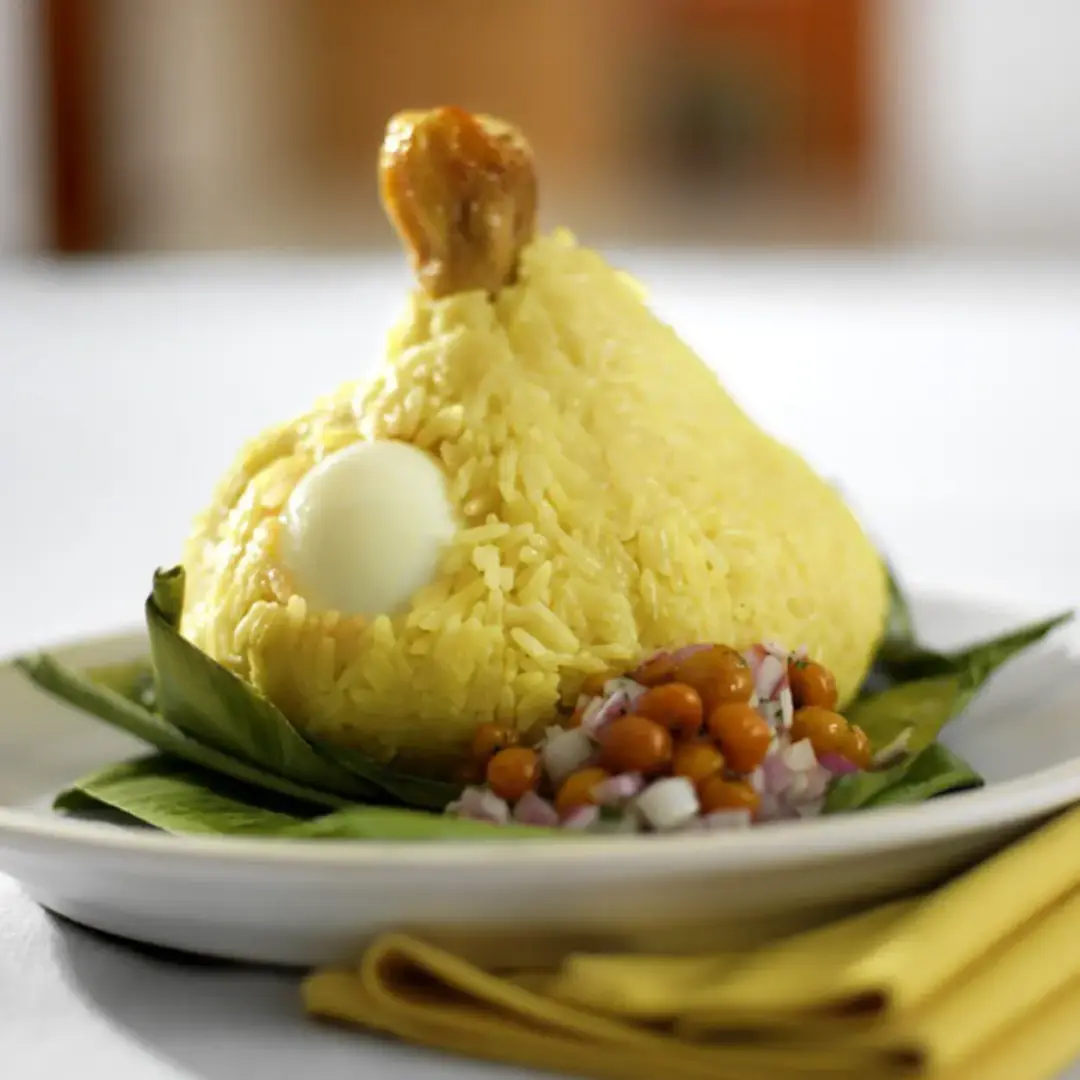
The gastronomy of Peru Amazon represents one of the country’s most fascinating culinary traditions, combining the extraordinary biodiversity of the rainforest with ancestral knowledge, local ingredients and cultural influences passed down through generations. Located in one of the world’s richest ecosystems, the Peruvian Amazon offers a remarkable variety of foods prepared with freshwater fish, tropical fruits, native plants, cassava, plantains and other ingredients found throughout the rainforest.
Traditional Amazonian cuisine is closely connected to the rivers, forests and communities that have inhabited this region for centuries. Each dish reflects the relationship between people and their natural surroundings, transforming locally available ingredients into flavorful meals with distinctive aromas, textures and preparation methods.
From the famous juane and tacacho con cecina to grilled paiche, patarashca and refreshing camu camu beverages, the food of the Peruvian jungle offers travelers an opportunity to discover a different side of Peruvian culinary culture.
For visitors exploring destinations such as Iquitos, Puerto Maldonado, Madre de Dios and Tambopata, experiencing local gastronomy is an essential part of understanding the Amazon rainforest. Beyond its wildlife and spectacular landscapes, the region offers a rich culinary heritage that deserves to be explored.
What Makes Peruvian Amazonian Gastronomy Unique?
The gastronomy of the Peruvian Amazon is distinguished by its connection to nature, regional biodiversity and traditional food preparation techniques. Unlike coastal and Andean cuisines, which rely heavily on different agricultural products and culinary influences, Amazonian cooking incorporates ingredients that thrive in humid tropical environments.
The Influence of Indigenous Culinary Traditions
Indigenous communities have played an essential role in developing Amazonian food culture. Their knowledge of native plants, edible fruits, freshwater fish and traditional preparation methods has shaped regional cuisine for generations.
Recipes are often prepared using locally available ingredients and techniques adapted to the rainforest environment. Family traditions and community celebrations also contribute to preserving these culinary practices.
Freshwater Fish as a Fundamental Food Source
Rivers and tributaries provide an important source of freshwater fish throughout the Peruvian Amazon. Species such as paiche, gamitana, paco, doncella and boquichico are used in different traditional preparations.
Fish can be grilled, fried, cooked in soups or wrapped in leaves before being placed over a fire. These techniques preserve the natural flavors of the ingredients while creating distinctive regional dishes.
Tropical Fruits and Native Rainforest Ingredients
The Amazon rainforest provides an impressive variety of tropical fruits, including camu camu, aguaje, cocona, arazá and copoazú. These ingredients are used in juices, desserts, sauces and other preparations.
Cassava, green plantains, palm hearts and native seeds also contribute to the diversity of Amazonian cuisine.
Traditional Dishes of the Peruvian Amazon
Traditional dishes are among the most recognizable expressions of Amazonian culinary identity. Many recipes combine freshwater fish, plantains, cassava, herbs and locally sourced ingredients to create meals that reflect the region’s natural environment.
Juane: One of the Most Representative Amazonian Dishes
Juane is one of the most famous traditional dishes of the Peruvian jungle. It is especially associated with the San Juan Festival, celebrated every June in several Amazonian regions.
The preparation generally includes rice, chicken, eggs, olives and seasonings, all wrapped in bijao leaves and boiled until the ingredients are cooked and the flavors combine.
The leaves give juane its characteristic appearance and help maintain its shape during cooking. Some regional variations use different fillings and ingredients, reflecting local preferences and family recipes.
Juane is more than a traditional meal. It represents cultural identity, community celebrations and the culinary heritage of Amazonian families.
Tacacho con Cecina: A Classic Jungle Combination
Tacacho con cecina is another popular dish throughout the Peruvian Amazon. It combines roasted or fried green plantains that are mashed with pork fat and shaped into compact portions, traditionally served with cecina, a type of seasoned and dried pork.
The plantains create a soft and slightly smoky texture, while the pork provides a rich and savory flavor.
Depending on the region and restaurant, tacacho may be accompanied by chorizo, sauces or other traditional ingredients. It is commonly enjoyed for breakfast or lunch and remains one of the best-known examples of Peruvian jungle cuisine.
Patarashca: Traditional Fish Wrapped in Bijao Leaves
Patarashca is a traditional Amazonian fish preparation in which seasoned fish is wrapped in bijao leaves and cooked over a fire or grill.
The fish is commonly combined with onions, tomatoes, garlic, herbs and local seasonings. During cooking, the leaves help retain moisture and allow the ingredients to develop a distinctive aroma.
This technique demonstrates how traditional Amazonian cooking uses natural materials to prepare flavorful meals without requiring complicated equipment.
Patarashca can be prepared with different freshwater fish, depending on availability and local culinary traditions.
Inchicapi: Traditional Amazonian Chicken Soup
Inchicapi is a hearty soup traditionally prepared with chicken, peanuts, cassava and local seasonings. Its thick consistency and rich flavor make it a distinctive part of Amazonian food culture.
The combination of peanuts and other ingredients creates a creamy texture, while cassava adds substance to the preparation.
Inchicapi is particularly appreciated as a comforting family meal and illustrates the importance of soups in traditional jungle cooking.
Chonta Salad: A Dish Made with Palm Hearts
Chonta salad is prepared using the tender inner portion of certain palm species, commonly known as chonta or palm heart.
The ingredient is cut into thin strips and mixed with tomatoes, onions, lime juice and other vegetables. Its mild flavor and delicate texture make it a refreshing accompaniment to heavier Amazonian dishes.
Chonta is an important traditional ingredient, although responsible sourcing is essential because some palm harvesting practices can damage forest ecosystems.
Native Ingredients Used in Amazonian Cuisine
The extraordinary biodiversity of the rainforest provides the foundation for the gastronomy of Peru Amazon. Native ingredients contribute distinctive flavors and textures while connecting traditional food preparation with the natural environment.
Amazonian Freshwater Fish
Fish represents one of the most important components of regional cuisine.
Paiche: Paiche is one of the largest freshwater fish found in the Amazon basin. Its firm white flesh makes it suitable for grilling, frying and preparing traditional regional recipes.
Gamitana: This freshwater fish is appreciated for its flavorful meat and is commonly prepared grilled or fried.
Paco: Paco is another popular Amazonian fish, frequently served in traditional meals and grilled preparations.
Boquichico: This fish is used in different regional recipes and is valued as a traditional freshwater food source.
Responsible fishing and sustainable aquaculture are important for maintaining healthy fish populations and protecting Amazonian aquatic ecosystems.
Tropical Fruits of the Peruvian Amazon
The rainforest contains numerous tropical fruits that contribute to regional food culture.
Camu camu: This small, acidic fruit is particularly appreciated for its exceptionally high natural vitamin C content. It is commonly used to prepare refreshing juices, beverages, ice creams and desserts.
Aguaje: Aguaje is a palm fruit with an orange-colored pulp and distinctive flavor. It is frequently consumed fresh or used in juices, ice creams and traditional sweets.
Cocona: Cocona has a slightly acidic flavor and is commonly incorporated into sauces, juices and preparations served alongside fish and other traditional dishes.
Arazá: This aromatic tropical fruit has a refreshing acidity that makes it suitable for juices, jams, desserts and fruit-based beverages.
Copoazú: Related to cacao, copoazú has a distinctive aromatic pulp used in juices, sweets, creams and other desserts.
Ungurahui: This palm fruit is traditionally used in different Amazonian food preparations and beverages.
Traditional Vegetables, Roots and Seeds
Cassava, also known as yuca, is an essential ingredient in many Amazonian communities. It can be boiled, fried, roasted or transformed into flour for different preparations.
Green plantains are equally important, particularly in dishes such as tacacho. Their versatility allows them to be prepared as side dishes, snacks and main meal components.
Sacha inchi is a native Amazonian seed known for its oil-rich composition. It is used in food preparations and can be consumed roasted or incorporated into other recipes.
Brazil nuts are another valuable forest product, traditionally collected in parts of the Peruvian Amazon and used in snacks, desserts and other culinary preparations.
Traditional Cooking Techniques in the Peruvian Amazon
Traditional Amazonian cooking reflects generations of knowledge about natural ingredients, fire, leaves and food preparation.
Cooking with Bijao Leaves
Bijao leaves are widely recognized for their role in traditional Amazonian cooking. They are used to wrap ingredients before boiling or grilling, helping retain moisture and giving preparations distinctive aromas.
This technique is especially important for dishes such as juane and patarashca.
Grilling Fish Over Wood Fires
Grilling over wood fires is a traditional preparation method for freshwater fish. It allows the natural flavors of the fish to develop while producing a smoky aroma.
Depending on the recipe, fish may be seasoned with garlic, onions, herbs and local spices before being placed over the fire.
Boiling and Preparing Traditional Soups
Boiling is another fundamental technique, especially for soups, cassava preparations and wrapped dishes.
Traditional recipes often combine several ingredients in one cooking process, creating rich flavors while making efficient use of locally available food resources.
Traditional Amazonian Drinks and Desserts
The Peruvian Amazon is also known for its refreshing fruit beverages and desserts prepared with native ingredients.
Camu camu juice is particularly popular because of its refreshing acidity and characteristic flavor. Aguaje beverages are appreciated for their distinctive tropical taste, while cocona is used to create refreshing drinks and sauces.
Masato is a traditional fermented beverage made primarily from cassava. Its preparation and fermentation practices vary among communities, and it has cultural importance in different Amazonian settings.
Amazonian desserts frequently incorporate tropical fruits, including copoazú, aguaje and arazá. These ingredients can be transformed into ice creams, fruit creams, jams and sweet preparations.
Together, traditional drinks and desserts demonstrate the diversity of the rainforest’s edible resources.
Regional Gastronomy of the Peruvian Amazon
Although Amazonian cuisine shares many ingredients and cooking techniques, each region has its own gastronomic characteristics.
Traditional Food in Iquitos and Loreto
Iquitos is one of the most important gastronomic destinations in the Peruvian Amazon. Its culinary traditions are strongly influenced by the Amazon River and surrounding waterways.
Juane, tacacho con cecina, patarashca and freshwater fish preparations are commonly associated with the region. Local markets also provide opportunities to discover tropical fruits, traditional beverages and ingredients used in everyday cooking.
Gastronomy of Puerto Maldonado and Madre de Dios
Puerto Maldonado, located in the department of Madre de Dios, offers visitors an opportunity to explore the culinary traditions of southeastern Peru.
Local food incorporates freshwater fish, plantains, cassava, tropical fruits and ingredients associated with the surrounding rainforest.
Traditional fish dishes, grilled preparations, tacacho and regional fruit beverages are among the foods visitors may encounter.
The gastronomy of Madre de Dios reflects the relationship between river communities, forest resources and local agricultural production.
Traditional Food in Tambopata
Tambopata is internationally recognized for its rainforest biodiversity, wildlife and natural landscapes. However, its culinary traditions also provide an important part of the visitor experience.
Travelers staying in jungle lodges or exploring the region can encounter meals prepared with local ingredients, including fish, cassava, plantains and tropical fruits.
Some accommodations also introduce visitors to traditional Amazonian recipes through food demonstrations and locally inspired menus.
Culinary Traditions Across Other Amazonian Regions
Other Amazonian departments, including San Martín and Ucayali, contribute additional culinary traditions to the country’s regional gastronomy.
Differences in ingredients, agricultural practices and cultural influences create a diverse culinary landscape throughout the Peruvian rainforest.
Indigenous Communities and the Cultural Heritage of Amazonian Food
Food traditions are closely connected to the cultural identity of indigenous communities throughout the Amazon.
Traditional knowledge includes recognizing edible plants, understanding seasonal fruit availability, preparing freshwater fish and using natural materials for cooking.
Many culinary practices are transmitted within families and communities through observation and participation. Recipes are not simply instructions for preparing food; they also represent relationships with the forest, rivers and local environments.
Seasonal harvesting is another important aspect of traditional food systems. Different fruits, plants and other ingredients become available at particular times of the year, influencing what communities prepare and consume.
Understanding these traditions helps travelers appreciate Amazonian gastronomy as an important expression of cultural heritage.
Sustainable Gastronomy in the Peruvian Amazon
Sustainability is an important consideration when exploring the gastronomy of the Peruvian Amazon.
The rainforest provides valuable food resources, but responsible harvesting and consumption are necessary to protect biodiversity and support local communities.
Sustainable freshwater fishing, responsible sourcing of palm products and the promotion of native agricultural ingredients can contribute to protecting regional ecosystems.
Travelers can support responsible gastronomy by choosing establishments that prioritize legally sourced ingredients, locally produced foods and environmentally conscious practices.
Supporting local producers and respecting indigenous food traditions also helps maintain the cultural and economic importance of Amazonian cuisine.
Responsible culinary tourism can create opportunities for communities while encouraging visitors to understand the relationship between food production and rainforest conservation.
Where to Experience the Gastronomy of the Peruvian Amazon
Visitors can discover Amazonian food through local markets, traditional restaurants, regional food festivals and culinary experiences.
Puerto Maldonado is an excellent starting point for travelers exploring the gastronomy of Madre de Dios. Local restaurants and food markets provide opportunities to try regional fish dishes, plantain preparations and tropical fruit beverages.
During Tambopata jungle tours, visitors may also experience meals inspired by traditional Amazonian ingredients. Some jungle lodges incorporate regional recipes into their menus and introduce travelers to the ingredients used in local cooking.
Food demonstrations can provide additional insight into the preparation of juane, patarashca and other traditional dishes.
For travelers interested in understanding the cultural side of the rainforest, combining culinary experiences with wildlife observation and visits to local communities can create a more complete Amazonian travel experience.
Foods Every Traveler Should Try in the Peruvian Amazon
Anyone visiting the Peruvian Amazon should consider exploring its traditional food as part of the journey.
Juane is an excellent introduction to the region’s culinary heritage, particularly because of its connection to local celebrations and traditional cooking techniques.
Tacacho con cecina offers a combination of familiar and distinctive flavors through plantains and seasoned pork.
Patarashca provides an opportunity to taste freshwater fish prepared using bijao leaves, while inchicapi introduces visitors to the richness of traditional Amazonian soups.
Travelers should also explore native fruits such as camu camu, aguaje, cocona and copoazú. Their flavors offer a different perspective on the biodiversity of the rainforest.
For visitors exploring Puerto Maldonado and Tambopata, trying regional dishes is a rewarding way to complement rainforest excursions and learn more about the culinary identity of Madre de Dios.
Frequently Asked Questions About the Gastronomy of Peru Amazon
What is the most famous food in the Peruvian Amazon?
Juane is one of the most famous traditional dishes of the Peruvian Amazon. It is prepared with rice, chicken, eggs and seasonings wrapped in bijao leaves. It is particularly associated with the San Juan Festival, celebrated in June.
What ingredients are commonly used in Amazonian cuisine?
Common ingredients include freshwater fish, cassava, green plantains, tropical fruits, palm hearts, peanuts, native seeds and aromatic herbs. Bijao leaves are also important for preparing traditional wrapped dishes.
What fish are eaten in the Peruvian Amazon?
Commonly consumed freshwater fish include paiche, gamitana, paco, doncella and boquichico. They are prepared grilled, fried, boiled or wrapped in leaves.
What fruits are typical of the Peruvian Amazon?
Some of the best-known Amazonian fruits include camu camu, aguaje, cocona, arazá, copoazú and ungurahui. These fruits are used in juices, desserts, sauces and other traditional preparations.
What is juane and why is it important?
Juane is a traditional Amazonian dish made with rice, chicken, eggs and seasonings wrapped in bijao leaves. It is culturally important because of its association with the San Juan Festival and regional culinary traditions.
What is the traditional food of Puerto Maldonado?
Traditional food in Puerto Maldonado includes freshwater fish preparations, tacacho con cecina, plantain-based dishes, cassava preparations and tropical fruit beverages. Local culinary traditions reflect the biodiversity of Madre de Dios.
What drinks are popular in the Amazon rainforest?
Popular traditional and regional beverages include camu camu juice, aguaje drinks, cocona juice and masato, a fermented cassava beverage.
Is Amazonian food spicy?
Not all Amazonian food is spicy. Many dishes use garlic, onions, herbs and mild seasonings. However, regional preparations may include chili peppers, such as ají charapita, which can add considerable heat.
Can tourists experience traditional Amazonian cooking?
Yes. Visitors can discover traditional Amazonian cooking through local restaurants, food markets, regional festivals and culinary demonstrations. Some jungle lodges also include regional dishes prepared with locally sourced ingredients.
Is Amazonian cuisine sustainable?
Amazonian cuisine can support sustainability when ingredients are obtained responsibly. Sustainable fishing, responsible harvesting, native agricultural production and support for local communities are important for protecting rainforest biodiversity.
Conclusion: Discover the Culinary Heritage of the Peruvian Amazon
The gastronomy of Peru Amazon is an essential part of the region’s cultural and natural identity. Its traditional dishes, native fruits, freshwater fish and ancestral cooking techniques demonstrate the extraordinary relationship between rainforest biodiversity and local communities.
From juane and tacacho con cecina to patarashca, paiche and refreshing camu camu beverages, Amazonian cuisine offers travelers an opportunity to discover flavors that cannot be separated from the environment in which they originated.
Whether exploring the food markets of Puerto Maldonado, enjoying regional specialties in Madre de Dios or discovering traditional ingredients during a Tambopata rainforest adventure, experiencing local gastronomy adds another dimension to traveling through the Peruvian Amazon.
More than simply enjoying traditional meals, discovering Amazonian food means appreciating the knowledge, culture and natural resources that make this region one of Peru’s most distinctive culinary destinations.