
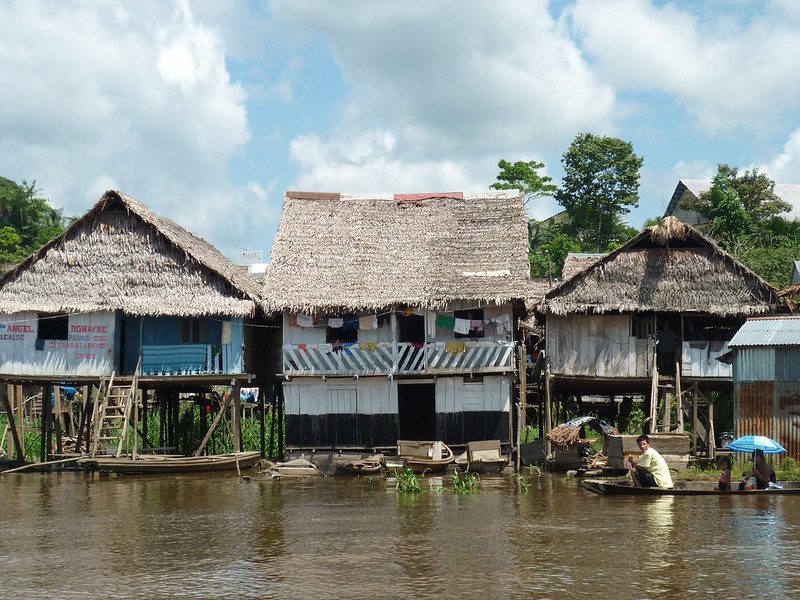
Imagine navigating a magnificent tropical river surrounded by lush green rainforest, listening to the sounds of exotic birds, watching monkeys move between the trees, and discovering a world where nature and traditional cultures exist in remarkable harmony. Welcome to Iquitos, one of the most fascinating destinations in the Peruvian Amazon.
Located in the northeastern region of Peru, Iquitos offers an extraordinary opportunity to explore the Amazon rainforest, experience the legendary Amazon River, discover incredible wildlife, and learn about the traditions of communities that have lived in this remarkable environment for generations.
As the capital of the Loreto region, Iquitos is much more than a gateway to jungle adventures. It is a vibrant Amazonian city with a fascinating history, traditional markets, colorful architecture, delicious regional cuisine, and a unique river-based lifestyle.
Unlike many other destinations in Peru, Iquitos cannot be reached by road from the country’s main highway network. Travelers generally arrive by airplane or river transportation, making the journey part of the adventure itself. This geographical isolation has helped shape its distinctive identity and connection with the surrounding rainforest.
Table of Contents
Whether you are interested in wildlife observation, birdwatching, jungle exploration, cultural encounters, or relaxing in an eco-friendly rainforest lodge, Iquitos provides countless opportunities to discover the natural beauty of northern Peru.
From the mysterious flooded forests of Pacaya Samiria to the peaceful waterways of the Nanay River, every excursion reveals another dimension of the Amazon.
In this comprehensive travel guide, discover the best things to do in Iquitos, the most fascinating wildlife experiences, the best time to visit, and everything you need to plan an unforgettable Amazon adventure.
Discover Iquitos: The Heart of the Peruvian Amazon
Iquitos is one of the most distinctive cities in South America. Surrounded by tropical rainforest and connected to an extensive network of rivers, it offers a fascinating combination of urban life and extraordinary natural landscapes.
As an important center of commerce, transportation, and culture in the northern Amazon, the city plays a fundamental role in connecting travelers with some of Peru’s most remarkable ecosystems.
Where Is Iquitos Located?
Iquitos is located in the Loreto region of northeastern Peru, within the immense Amazon Basin. It sits near the confluence of important waterways, including the Amazon, Nanay, and Itaya rivers.
The surrounding landscape consists of tropical lowland rainforest, wetlands, riverbanks, seasonal floodplains, and numerous smaller tributaries.
Its geographical location makes Iquitos an excellent starting point for exploring different Amazonian environments. Depending on the destination, visitors can experience dense primary forests, flooded vegetation, tranquil lagoons, and wildlife-rich river systems.
Because the city lacks a direct road connection with the rest of Peru, transportation depends heavily on airplanes and riverboats.
This unusual geographical characteristic makes Iquitos particularly interesting for travelers seeking a destination that feels different from the country’s traditional mountain and coastal attractions.
Why Is Iquitos One of Peru’s Most Unique Destinations?
Iquitos stands out because of its extraordinary relationship with the Amazon rainforest.
Here, rivers are essential transportation routes, boats connect communities, and the surrounding forest influences everyday life. Local markets reflect the abundance of regional produce, while traditional knowledge remains closely connected to the natural environment.
Visitors can explore historical buildings in the morning, enjoy regional cuisine in the afternoon, and travel into the rainforest for wildlife observation later in their journey.
The destination also provides access to several important conservation areas, including protected forests and extensive wetlands.
For nature enthusiasts, this combination of biodiversity, cultural heritage, and river exploration makes Iquitos an exceptional destination.
The Amazon River and Its Importance to Iquitos
The Amazon River is central to the identity of Iquitos.
Its immense waterways support transportation, fishing, commerce, recreation, and communication between riverside communities.
Traveling along the Amazon provides opportunities to appreciate the extraordinary scale of the rainforest. Along the riverbanks, visitors can observe traditional houses, boats carrying regional products, fishermen, and vegetation adapted to seasonal changes in water levels.
River excursions also reveal different wildlife habitats, including sandy beaches, flooded forests, and quieter tributaries.
For many visitors, experiencing the Amazon River is one of the most memorable parts of traveling to Iquitos.
Best Things to Do in Iquitos, Peru
Although many travelers visit Iquitos primarily for rainforest excursions, the city itself offers several interesting attractions and cultural experiences.
Exploring its historic streets, traditional markets, waterfront, and nearby natural areas provides a deeper understanding of Amazonian life.
Explore the Historic Center of Iquitos
The historic center offers a fascinating introduction to the city’s past.
During the late nineteenth and early twentieth centuries, Iquitos experienced significant economic growth associated with the rubber trade. This period influenced its architecture, commercial development, and international connections.
Today, visitors can admire historic buildings, traditional balconies, decorative facades, and public spaces that reflect this important chapter in regional history.
The Plaza de Armas is an excellent starting point for exploring the city. Nearby streets reveal a mixture of historical architecture and contemporary Amazonian urban life.
One of the most recognizable landmarks is the Casa de Fierro, an iron structure associated with the city’s rubber boom period.
Walking through this area allows visitors to appreciate the historical character of Iquitos while discovering its restaurants, shops, and everyday activities.
Visit the Belén Neighborhood and Traditional Market
The Belén neighborhood is one of the most fascinating places to experience traditional life in Iquitos.
Its famous market is filled with regional fruits, vegetables, fish, herbs, spices, and ingredients used in Amazonian cooking.
Visitors can discover unfamiliar tropical products and observe how local residents purchase ingredients for their daily meals.
The lower part of Belén is particularly interesting because some houses are built on stilts or floating structures that respond to changing river levels.
During the high-water season, waterways can transform the neighborhood’s appearance and transportation patterns.
A morning visit with a knowledgeable local guide is recommended. The market is a busy working environment, so visitors should respect residents, ask before taking photographs, and keep personal belongings secure.
Enjoy the Views Along the Malecón Tarapacá
The Malecón Tarapacá is a pleasant waterfront promenade where visitors can enjoy views of the surrounding river landscape.
It is an excellent place to experience the atmosphere of Iquitos without leaving the city.
Walking along the promenade, travelers can admire historical buildings, observe local activities, and enjoy the warm tropical evenings.
Sunset is especially beautiful, as changing colors illuminate the sky above the Amazonian landscape.
The waterfront also provides an opportunity to relax after a day of sightseeing or prepare for a longer river excursion.
Discover Quistococha and Its Natural Surroundings
Quistococha is a recreational and natural area located outside the central urban district of Iquitos.
Its lagoon, surrounding vegetation, and forested environment provide an opportunity to enjoy a different landscape without traveling deep into the rainforest.
Visitors can explore the area, appreciate the tropical scenery, and learn about regional wildlife.
It is a convenient option for travelers who have limited time or want to combine city sightseeing with a short nature excursion.
Explore the Nanay River
The Nanay River is one of the most attractive waterways around Iquitos.
Its landscapes offer a peaceful environment for boat excursions, photography, and observing riverside activities.
Depending on the route and season, visitors may encounter birds, aquatic vegetation, small fishing boats, and communities connected to the river.
The surrounding landscape also provides opportunities to discover different Amazonian habitats.
For travelers interested in understanding the relationship between rivers and rainforest ecosystems, exploring the Nanay is an excellent experience.
Explore the Amazon Rainforest from Iquitos
One of the greatest reasons to visit Iquitos is its proximity to the extraordinary Peruvian Amazon rainforest.
Beyond the city, extensive forests provide opportunities to experience one of the most biodiverse environments on Earth.
Exploring these landscapes with knowledgeable local guides allows travelers to discover the ecological relationships that sustain the Amazon.
Experience Guided Rainforest Walks
Guided rainforest walks are among the most rewarding activities available around Iquitos.
During these excursions, visitors enter tropical forest environments where towering trees, vines, medicinal plants, insects, and wildlife create a complex natural ecosystem.
Experienced guides help identify animal tracks, explain plant characteristics, and interpret the sounds of the forest.
Travelers may discover fascinating adaptations, such as plants that grow toward sunlight, insects that camouflage themselves against tree bark, and trees that develop specialized roots in flooded environments.
Morning walks are particularly enjoyable because temperatures are generally more comfortable and many birds and other animals are active.
Rainforest walks also provide an opportunity to understand the importance of forest conservation.
Discover the Amazon River and Its Tributaries
The Amazon is not simply a large river. It forms part of an enormous network of waterways that supports countless ecosystems.
From Iquitos, travelers can explore different rivers and tributaries by boat.
Each waterway offers distinctive scenery, wildlife habitats, and opportunities for photography.
Some excursions focus on observing birds along the riverbanks, while others explore smaller channels surrounded by dense vegetation.
During high-water periods, boats may navigate flooded forest areas that are inaccessible during lower water levels.
These excursions demonstrate how seasonal flooding shapes the Amazon landscape and influences the lives of plants, animals, and local communities.
Visit Amazonian River Communities
Visiting riverside communities can provide valuable insight into traditional Amazonian lifestyles.
Many communities maintain strong connections with fishing, agriculture, forest products, handicrafts, and river transportation.
Visitors may learn about traditional food preparation, local plants, fishing techniques, and the importance of seasonal river changes.
These experiences should be organized respectfully, with community participation and clear permission for photographs or cultural activities.
Responsible cultural tourism creates opportunities for residents to share their knowledge while generating income for local families.
Experience Nighttime Jungle Excursions
The Amazon rainforest changes dramatically after sunset.
As daylight disappears, many nocturnal animals become active, creating opportunities to discover a different side of the ecosystem.
Nighttime excursions may include guided walks or boat trips along forest waterways.
Visitors may observe frogs, insects, spiders, nocturnal birds, and caimans, depending on the habitat and conditions.
The sounds of the forest also become more noticeable, with insects, amphibians, and other animals producing an extraordinary natural atmosphere.
For safety and wildlife protection, nighttime excursions should always be conducted with experienced guides.
Discover the Incredible Wildlife of Iquitos
The northern Peruvian Amazon is internationally recognized for its exceptional biodiversity.
Its forests, rivers, wetlands, and lagoons provide habitats for an enormous variety of mammals, birds, reptiles, amphibians, fish, and insects.
For wildlife enthusiasts, Iquitos offers opportunities to discover some of the Amazon’s most remarkable species.
Observe Pink River Dolphins
Pink river dolphins are among the most recognizable animals associated with the Amazon.
These fascinating freshwater mammals inhabit different river systems throughout the Amazon Basin.
Their distinctive coloration can vary from gray to pink, depending on age, individual characteristics, and other factors.
Visitors exploring suitable waterways around Iquitos may have opportunities to observe them surfacing to breathe or swimming near the riverbanks.
Wildlife encounters are never guaranteed, since dolphins move freely through their natural environment.
Responsible observation means maintaining a respectful distance, avoiding feeding, and never attempting to touch or chase the animals.
Search for Monkeys, Sloths, and Other Mammals
The forests surrounding Iquitos support numerous mammal species.
Depending on the location, visitors may encounter different types of monkeys, including howler monkeys and spider monkeys.
Howler monkeys are particularly recognizable because of their powerful vocalizations, which can travel considerable distances through the rainforest.
Sloths are another fascinating group of mammals. Their slow movements and excellent camouflage make them challenging to locate among the branches.
Other mammals include bats, rodents, opossums, and several species that are more difficult to observe.
A knowledgeable guide can help identify animal movements, feeding areas, and signs of wildlife activity.
Discover Colorful Amazonian Birds
Birdwatching is one of the most rewarding activities in the Iquitos region.
The surrounding forests and waterways provide habitat for colorful tropical birds, including macaws, toucans, parrots, kingfishers, herons, and numerous smaller species.
Different environments attract different bird communities.
Forest trails may reveal species feeding among the canopy, while riverbanks and wetlands offer opportunities to observe aquatic birds.
Early morning is generally an excellent time for birdwatching because many species become active during the cooler hours.
Visitors interested in photography should bring binoculars, suitable camera equipment, and patience.
Explore Reptiles, Amphibians, and Aquatic Wildlife
The Amazon contains an extraordinary diversity of reptiles and amphibians.
Caimans inhabit many waterways, while frogs occupy forest floors, vegetation, and humid environments.
Some amphibians display remarkable colors and specialized adaptations.
The region also supports an enormous diversity of freshwater fish, including species that play important ecological and economic roles.
Guided excursions can introduce visitors to these animals while explaining their ecological importance.
Never handle wild reptiles or amphibians during an excursion, and avoid disturbing their natural habitats.
Why the Amazon Is a Biodiversity Hotspot
The Amazon’s biodiversity is closely connected to its immense geographical scale and variety of ecosystems.
Rainforest canopy, flooded forests, riverbanks, wetlands, and different soil types create numerous ecological niches.
Seasonal flooding further influences the distribution of plants and animals.
Some species depend on flooded forests for feeding and reproduction, while others prefer higher ground that remains relatively dry.
This ecological complexity explains why the Amazon supports such a remarkable variety of life.
Protecting these ecosystems is essential for maintaining biodiversity, supporting local communities, and preserving important natural processes.
Explore Protected Natural Areas Around Iquitos
Several protected areas and conservation landscapes around Iquitos offer opportunities to discover different aspects of the northern Peruvian Amazon.
Pacaya Samiria National Reserve
Pacaya Samiria National Reserve is one of Peru’s most remarkable protected natural areas.
Located in the Loreto region, it contains extensive flooded forests, rivers, lagoons, and wetlands.
Its extraordinary landscapes are sometimes described as a forest of mirrors because calm waters can reflect the surrounding vegetation and sky.
The reserve provides habitat for pink river dolphins, aquatic turtles, monkeys, caimans, and numerous bird species.
One of the most fascinating experiences is navigating its waterways by canoe or small boat.
During high-water periods, visitors can explore flooded forest environments where trees appear to rise directly from the water.
During lower-water periods, different sections of forest become accessible on foot, creating opportunities for terrestrial wildlife observation.
Multi-day expeditions allow travelers to appreciate the scale and ecological richness of this protected area.
Visitors should arrange authorized access and experienced guides before traveling.
Allpahuayo Mishana National Reserve
Allpahuayo Mishana is particularly interesting because of its unusual ecological characteristics.
Located relatively close to Iquitos, the reserve protects white-sand forests and other habitats that support distinctive plant and animal communities.
These specialized environments contain species adapted to nutrient-poor soils and particular forest conditions.
For birdwatchers, the reserve is especially valuable because it supports several bird species associated with white-sand forest habitats.
Visitors can explore forest trails, observe vegetation, and learn about the importance of protecting ecosystems that may appear similar at first glance but contain very different biodiversity.
Its accessibility makes it an attractive option for travelers who want to experience the rainforest without undertaking a long river expedition.
Tamshiyacu Tahuayo Regional Conservation Area
The Tamshiyacu Tahuayo Regional Conservation Area protects important Amazonian forest and river ecosystems.
It is recognized for its biodiversity and opportunities for wildlife observation.
Its habitats support numerous mammals, birds, amphibians, reptiles, and plant species.
Visitors may experience guided forest walks, canoe excursions, and wildlife photography opportunities.
The area’s extensive natural landscapes make it especially appealing to travelers interested in spending several days exploring the Amazon.
Exploring with local guides helps visitors understand the ecological importance of the region and the role of conservation in protecting its natural resources.
Best Amazon Adventures and Experiences in Iquitos
Iquitos offers much more than traditional sightseeing. Its surrounding natural environment creates opportunities for memorable experiences that connect travelers with the rainforest.
Birdwatching and Wildlife Photography
The Amazon is an exceptional destination for birdwatching and nature photography.
Its forests contain colorful birds, unusual insects, amphibians, and mammals that provide endless photographic opportunities.
Travelers can photograph wildlife from forest trails, riverbanks, observation platforms, and boats.
Early morning and late afternoon are often productive periods for observing animals.
However, patience is essential because many species are naturally elusive.
Responsible photography should prioritize animal welfare rather than obtaining close-up images at any cost.
Canoeing and River Excursions
Canoeing provides a peaceful way to explore smaller Amazonian waterways.
Unlike larger motorboats, canoes can often navigate narrow channels and quieter areas where wildlife may be easier to observe.
Travelers can discover aquatic vegetation, forest reflections, bird activity, and seasonal changes in the landscape.
These excursions are particularly memorable in flooded forest environments.
Always wear appropriate safety equipment and follow the guide’s instructions.
Traditional Amazonian Fishing Experiences
Fishing has long been an important activity for communities throughout the Amazon.
Visitors may have opportunities to learn about traditional fishing techniques and the importance of aquatic resources.
Some excursions introduce travelers to piranha fishing, a popular Amazonian activity.
These experiences can also explain how fishing practices vary according to species, seasons, and local environmental conditions.
Responsible excursions should respect fishing regulations and avoid practices that damage aquatic ecosystems.
Discover Amazonian Plants and Medicinal Traditions
The rainforest contains an extraordinary diversity of plant species.
For generations, Amazonian communities have developed extensive knowledge of plants used in traditional food preparation, household practices, and cultural healing traditions.
During guided botanical walks, visitors may learn about medicinal plants, useful trees, natural fibers, fruits, and other forest resources.
It is important to understand that traditional knowledge should be approached respectfully.
Visitors should never collect plants or experiment with unfamiliar substances without proper guidance.
Experience Authentic Amazonian Culture
Culture is an essential part of the Iquitos experience.
Regional traditions are reflected in food, music, handicrafts, storytelling, fishing, and relationships with the surrounding environment.
Travelers can discover traditional dishes prepared with freshwater fish, tropical fruits, and locally grown ingredients.
Community visits may also provide opportunities to learn about crafts, agricultural activities, and everyday river life.
The most meaningful cultural experiences are those that recognize local residents as hosts and knowledge holders rather than treating communities as tourist attractions.
Amazon Rainforest Lodges and Accommodation in Iquitos
Choosing suitable accommodation can significantly influence the quality of an Amazon adventure.
Travelers can stay in urban accommodation in Iquitos or choose a rainforest lodge located along a river or within a forested area.
Staying in a Jungle Lodge
Jungle lodges provide an opportunity to experience the rainforest beyond the city.
Many are located along rivers and smaller tributaries, allowing guests to participate in guided activities throughout their stay.
Depending on the location, experiences may include:
- Guided rainforest walks.
- Birdwatching excursions.
- Nighttime wildlife observation.
- Canoe trips.
- River navigation.
- Botanical exploration.
- Cultural visits.
- Nature photography.
The distance from Iquitos varies considerably, so travelers should consider transportation time when selecting accommodation.
What to Expect from an Amazon Lodge
Accommodation standards vary according to location and facilities.
Some lodges offer comfortable private rooms, electricity, dining areas, and organized excursions.
Others provide a more basic experience that emphasizes immersion in the natural environment.
Before booking, travelers should check whether accommodation includes meals, drinking water, boat transfers, guided excursions, mosquito protection, and emergency arrangements.
It is also important to ask about group sizes and the qualifications of local guides.
How to Choose Responsible Amazon Accommodation
Responsible accommodation should contribute positively to environmental protection and local economic development.
Look for establishments that:
- Employ and support local residents.
- Minimize unnecessary waste.
- Manage wastewater responsibly.
- Avoid wildlife exploitation.
- Respect surrounding communities.
- Provide environmental education.
- Follow applicable conservation regulations.
Choosing accommodation carefully helps support more sustainable tourism throughout the Amazon.
Best Time to Visit Iquitos, Peru
Understanding the Amazon’s seasonal changes is essential when planning a trip to Iquitos.
Unlike destinations with clearly defined summer and winter seasons, the northern Peruvian Amazon experiences significant changes in river levels throughout the year.
These fluctuations influence transportation, wildlife observation, forest accessibility, and the types of excursions available.
High-Water Season: December to May
The high-water season generally extends from December through May.
During this period, increased rainfall causes rivers to rise and flood large sections of the surrounding forest.
This creates unique opportunities to explore flooded rainforest environments by canoe or small boat.
Some forest areas that are inaccessible during lower water levels become navigable, allowing visitors to travel through channels surrounded by trees.
High water can also create excellent opportunities to observe aquatic wildlife, including river dolphins and fish.
For travelers interested in canoeing and exploring flooded forests, this season offers a particularly fascinating experience.
However, rainfall can be frequent, and river conditions may influence transportation schedules.
Low-Water Season: June to November
The low-water season generally extends from June through November.
As river levels decrease, beaches and riverbanks become exposed, and some forest trails become easier to access.
This period can be particularly attractive for travelers interested in hiking, birdwatching, and terrestrial wildlife observation.
Wildlife may become easier to locate in certain areas because animals and aquatic species can concentrate around remaining water sources.
The changing landscape also provides excellent opportunities for photography and exploring different sections of the rainforest.
Visitors should remember that the Amazon remains humid and tropical throughout the year, and rainfall is possible even during the drier months.
Weather, Temperature, and Rainfall
Iquitos has a hot, humid tropical climate.
Temperatures remain warm throughout the year, and humidity can make outdoor activities feel particularly demanding.
Rainfall is an important feature of the regional climate, although its intensity and frequency vary seasonally.
Travelers should prepare for:
- Warm daytime temperatures.
- High humidity.
- Sudden tropical showers.
- Muddy forest trails.
- Changing river conditions.
- Strong sunlight.
- Insects and mosquitoes.
Lightweight clothing, comfortable walking footwear, insect repellent, and rain protection are essential.
The best time to visit ultimately depends on personal interests rather than a single universally ideal month. High vs Low Water+2
How to Get to Iquitos, Peru
Because Iquitos is geographically isolated from Peru’s main road network, transportation requires additional planning.
Most travelers arrive by airplane, while adventurous visitors may choose an extended river journey.
Traveling to Iquitos by Air
Flying is generally the most practical way to reach Iquitos.
Domestic flights connect the city with Lima and other available destinations, depending on airline schedules.
The airport is located outside the main urban center, and travelers can arrange local transportation to their accommodation.
When planning an Amazon expedition, it is advisable to arrive at least one day before a scheduled jungle excursion whenever possible.
This allows time to recover from the journey, organize luggage, and confirm transportation arrangements.
It also provides flexibility if flight delays or changes affect connections.
Traveling to Iquitos by River
River transportation offers a different way to experience the Amazon.
Depending on the starting point, journeys can involve long boat trips through major rivers and smaller waterways.
Passengers may encounter riverside communities, fishing boats, forest landscapes, and commercial transportation activities along the route.
Some journeys take several days, making them suitable for travelers who have more time and want a slower travel experience.
Before departure, confirm schedules, safety arrangements, accommodation conditions, and the facilities available onboard.
Transportation Within Iquitos
Motorcycle taxis are common throughout the city and provide convenient transportation over short distances.
Cars and other local transportation options are also available.
Boats are essential for traveling to many surrounding communities, riverside destinations, and rainforest areas.
Visitors should confirm transportation prices before beginning a journey and use appropriate safety precautions.
For longer excursions, arranging transportation through a reputable local guide or established accommodation can make the experience easier.
What to Pack for an Iquitos Amazon Adventure
Packing correctly can make a significant difference when exploring the rainforest.
The tropical environment requires lightweight clothing, protection from insects, comfortable footwear, and equipment suitable for outdoor activities.
Clothing and Footwear
Choose breathable clothing that dries relatively quickly.
Long-sleeved shirts and lightweight trousers provide protection against insects, vegetation, and sunlight.
Recommended items include:
- Lightweight long-sleeved shirts.
- Breathable trousers.
- Comfortable hiking shoes.
- Sandals for accommodation.
- A lightweight rain jacket.
- A wide-brimmed hat.
- Several pairs of socks.
- Swimwear when appropriate.
Avoid relying exclusively on heavy clothing, as humidity can make it uncomfortable.
Insect Protection and Personal Care
Mosquitoes and other insects are part of the rainforest environment.
Travelers should bring an appropriate insect repellent and use it according to product instructions.
Other useful personal-care items include:
- Sunscreen.
- Personal hygiene products.
- Hand sanitizer.
- A small first-aid kit.
- Reusable water bottles.
- Personal medications.
- Moisture-resistant storage bags.
Consult a qualified healthcare professional or travel clinic before departure to discuss recommended vaccinations, mosquito-borne diseases, and any preventive measures appropriate for the itinerary.
Photography and Outdoor Equipment
Nature enthusiasts should consider bringing equipment that supports wildlife observation.
Useful items include binoculars, a camera with a suitable telephoto lens, spare batteries, memory cards, and waterproof storage.
A headlamp can be particularly useful during nighttime excursions and in accommodation with limited lighting.
A small waterproof backpack helps protect essential belongings during boat trips and rainforest walks.
Responsible and Sustainable Tourism in Iquitos
The Amazon rainforest is one of the planet’s most important natural environments.
Its ecosystems support exceptional biodiversity, influence regional climate patterns, and provide essential resources for millions of people.
Tourism can contribute to conservation when activities are carefully managed and local communities participate meaningfully in the benefits.
However, poorly planned tourism can create environmental pressure, disturb wildlife, and undermine cultural traditions.
Responsible travel should therefore be an essential part of every Iquitos itinerary.
Protecting Amazonian Wildlife
Wildlife observation should always prioritize the well-being of animals.
Travelers should avoid excursions that encourage feeding, touching, capturing, or handling wild animals for entertainment.
Responsible guides maintain appropriate distances and explain animal behavior without unnecessarily disturbing natural habitats.
Avoid purchasing products made from protected wildlife and never support illegal animal trafficking.
Photography should also be conducted responsibly, without using artificial methods to attract or frighten animals.
Supporting Local and Indigenous Communities
Local communities possess valuable knowledge about the rainforest, its biodiversity, and traditional resource management.
Tourism can provide opportunities for residents to share their knowledge while supporting local livelihoods.
Visitors can contribute by choosing community-led excursions, purchasing locally produced handicrafts, and respecting cultural traditions.
When visiting a community, ask permission before taking photographs and follow local guidance.
It is equally important to recognize that every community has its own traditions, expectations, and preferences regarding tourism.
Respectful cultural exchanges create more meaningful experiences for both travelers and residents.
Choosing Environmentally Responsible Excursions
Before selecting a rainforest excursion, investigate how the experience is organized.
Consider whether guides have local knowledge, whether wildlife observation follows ethical practices, and whether transportation and accommodation arrangements minimize unnecessary environmental impacts.
Ask questions about waste management, group sizes, conservation activities, and community involvement.
A responsible excursion should educate visitors about the Amazon rather than simply offering a checklist of animal sightings.
Reducing Your Environmental Impact
Simple decisions can help reduce the environmental footprint of an Amazon adventure.
Travelers can:
- Carry reusable water bottles.
- Avoid unnecessary single-use plastics.
- Dispose of waste properly.
- Stay on designated trails.
- Avoid disturbing vegetation.
- Respect wildlife habitats.
- Support locally owned businesses.
- Follow conservation guidelines.
- Use water and electricity responsibly.
The Amazon is a living ecosystem, and every visitor has a responsibility to help protect its natural and cultural heritage.
How Many Days Should You Spend in Iquitos?
The ideal length of a visit depends on the type of experience you want.
Some travelers prefer a short introduction to the city and nearby rivers, while others want several days of deeper rainforest exploration.
For a more complete Amazon experience, combining time in the city with a multi-day rainforest excursion is highly recommended.
A Three-Day Amazon Experience
A three-day itinerary is suitable for travelers with limited time.
Day 1: Discover Iquitos
Explore the historic center, visit the Plaza de Armas, discover the Belén market, and enjoy the waterfront promenade.
Day 2: Experience the Amazon
Take a guided river excursion, explore a nearby rainforest environment, and discover local wildlife.
Day 3: Discover Local Nature and Culture
Enjoy another nature excursion or visit a nearby conservation and wildlife education area before departing.
This itinerary provides a general introduction to Iquitos, although it allows limited time for exploring remote rainforest environments.
A Five-Day Rainforest Adventure
A five-day itinerary provides a better balance between cultural exploration and nature activities.
Day 1: Arrival in Iquitos
Explore the city and discover its history and regional cuisine.
Day 2: River Exploration
Travel along the Amazon or a nearby tributary, observing riverside landscapes and local activities.
Day 3: Rainforest Walks and Wildlife Observation
Discover tropical vegetation, identify birds, and learn about rainforest ecology.
Day 4: Nighttime Jungle Excursion
Experience the rainforest after sunset and discover nocturnal wildlife.
Day 5: Cultural Experience and Departure
Visit a local community or explore another nearby attraction before returning to the city.
A Seven-Day Amazon Expedition
A seven-day itinerary is ideal for travelers who want a more immersive rainforest experience.
Day 1: Arrive in Iquitos and explore the historic center.
Day 2: Travel to a rainforest lodge and discover the surrounding landscape.
Day 3: Participate in guided forest walks and wildlife observation.
Day 4: Explore rivers, lagoons, and flooded forest habitats.
Day 5: Enjoy birdwatching, canoeing, and nighttime wildlife excursions.
Day 6: Discover regional culture and traditional knowledge through a respectful community experience.
Day 7: Return to Iquitos and prepare for departure.
Travelers interested in visiting Pacaya Samiria should allow sufficient time for transportation, authorized access, and exploration within the reserve.
A longer itinerary creates more opportunities to appreciate the Amazon’s biodiversity and understand its ecological complexity.
Frequently Asked Questions About Iquitos, Peru
Is Iquitos Worth Visiting?
Absolutely! Iquitos is an excellent destination for travelers interested in exploring the Amazon rainforest, discovering wildlife, experiencing traditional Amazonian culture, and navigating some of the world’s most fascinating tropical waterways.
The city offers a unique combination of historical attractions, regional gastronomy, river excursions, and access to protected natural areas.
It is particularly worthwhile for travelers who want to experience the northern Peruvian Amazon beyond conventional sightseeing.
What Is Iquitos Famous For?
Iquitos is famous for its geographical isolation, Amazon River location, tropical rainforest surroundings, historical architecture, traditional markets, and extraordinary biodiversity.
It is also an important starting point for exploring Pacaya Samiria, Allpahuayo Mishana, and other natural areas in the Loreto region.
Its distinctive river-based lifestyle makes it one of the most interesting destinations in Peru.
Is Iquitos Safe for Tourists?
Iquitos can be an enjoyable destination when travelers follow sensible safety precautions.
As in other cities, visitors should remain aware of their surroundings, protect personal belongings, use reliable transportation, and avoid unfamiliar areas at night.
For rainforest excursions, always travel with experienced guides and follow safety instructions around rivers, wildlife, and forest environments.
Travelers should also take appropriate health precautions before visiting the Amazon, including seeking professional medical advice about vaccinations and mosquito-borne diseases.
What Is the Best Month to Visit Iquitos?
There is no single perfect month because the best time depends on the experience you want.
The high-water season, generally December through May, is excellent for exploring flooded forests and navigating smaller waterways.
The low-water season, generally June through November, can provide better opportunities for walking through certain forest areas and observing terrestrial wildlife.
Both seasons offer rewarding opportunities to experience the Amazon.
Can You See Pink Dolphins in Iquitos?
Yes. Pink river dolphins inhabit the Amazon River system and its tributaries.
Visitors may have opportunities to observe them during guided boat excursions around Iquitos and other suitable waterways.
However, sightings depend on natural conditions, location, and animal movements.
Responsible wildlife observation is essential. Never attempt to feed, touch, chase, or capture dolphins.
How Many Days Do You Need in Iquitos?
For a basic introduction, three days can be sufficient.
However, five days provide a better opportunity to combine city sightseeing, river excursions, and rainforest exploration.
Travelers who want to explore more remote areas, participate in extended wildlife activities, or visit Pacaya Samiria should consider a longer itinerary of seven days or more.
Can You Reach Iquitos by Road?
Iquitos does not have a direct road connection with the main Peruvian highway network.
Travelers generally reach the city by airplane or river transportation.
There is a road connecting Iquitos with Nauta, but it does not provide a continuous road connection to the rest of Peru.
This geographical characteristic makes river transportation particularly important throughout the region.
What Animals Can You See in the Iquitos Amazon?
The surrounding Amazonian ecosystems support an extraordinary variety of wildlife.
Depending on the location, visitors may encounter:
- Pink river dolphins.
- Howler monkeys.
- Spider monkeys.
- Sloths.
- Macaws.
- Toucans.
- Parrots.
- Kingfishers.
- Caimans.
- Frogs.
- Freshwater turtles.
- Numerous tropical fish species.
Wildlife sightings are never guaranteed, but guided excursions can improve the chances of discovering animals in their natural habitats.
Do You Need a Guide to Explore the Amazon Rainforest?
Hiring an experienced local guide is strongly recommended.
The rainforest contains complex ecosystems, difficult terrain, and wildlife that requires respectful observation.
Local guides can identify plants, interpret animal behavior, explain seasonal changes, and help visitors navigate safely.
They also provide valuable cultural and ecological knowledge that makes rainforest excursions more educational and meaningful.
What Should You Pack for Iquitos?
Travelers should pack lightweight clothing, long-sleeved shirts, comfortable walking shoes, insect repellent, sunscreen, a rain jacket, personal medications, and waterproof storage bags.
Binoculars and photography equipment are especially useful for wildlife enthusiasts.
A reusable water bottle and a small first-aid kit are also recommended.
Conclusion: Discover the Natural and Cultural Wonders of Iquitos
Iquitos is a remarkable destination where the beauty of the Amazon rainforest meets the traditions and everyday life of northern Peru.
From the magnificent Amazon River to the extraordinary biodiversity of its surrounding forests, the region offers unforgettable opportunities for exploration, education, and adventure.
Visitors can discover the historic streets of the city, experience the atmosphere of traditional markets, navigate peaceful waterways, observe fascinating wildlife, and learn about the cultural heritage of Amazonian communities.
Beyond its attractions, Iquitos provides access to important conservation landscapes, including flooded forests, white-sand ecosystems, and wildlife-rich protected areas.
Whether you are interested in birdwatching, wildlife photography, jungle trekking, canoe excursions, or cultural encounters, this destination offers experiences that connect travelers with the natural world in meaningful ways.
A well-planned visit should include enough time to explore both the city and its surrounding rainforest. Choosing responsible guides, respecting local communities, and supporting environmentally conscious tourism will also help protect the ecosystems that make this region so extraordinary.
Ultimately, discovering Iquitos is about much more than visiting another destination. It is about experiencing the Amazon, understanding its importance, and appreciating the incredible relationship between nature, wildlife, and the people who call this extraordinary region home.
If you are dreaming of an authentic Peruvian Amazon adventure, Iquitos is a destination worth discovering.