
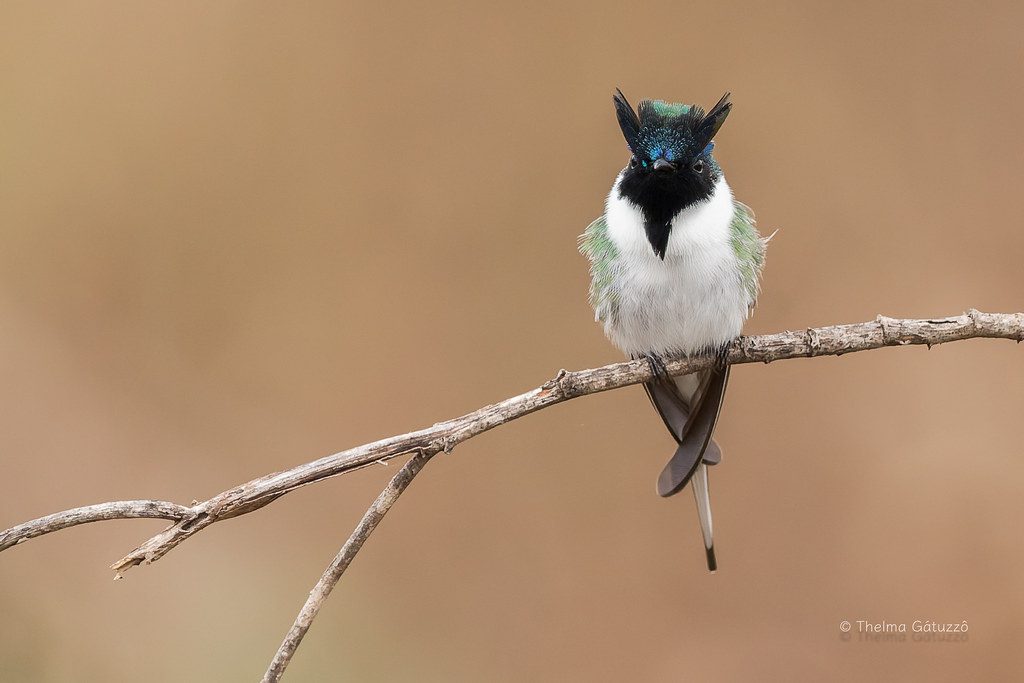
Peru is one of the most fascinating destinations in the world for birdwatching. Its extraordinary geographical diversity, extensive tropical forests, towering Andes Mountains, winding rivers, and high-altitude wetlands create habitats for an incredible variety of bird species. From brightly colored macaws flying above the Amazon rainforest to majestic Andean condors soaring over mountain valleys, the country offers unforgettable opportunities for nature enthusiasts and wildlife photographers.
Whether you are an experienced birder searching for rare endemic species or a beginner interested in discovering tropical wildlife, birdwatch in Peru offers experiences across several distinctive ecosystems. The country’s natural landscapes support an impressive range of resident and migratory birds, making it an exceptional destination for observing bird behavior, identifying species, and photographing wildlife.
Exploring Peru’s birdwatching destinations also provides opportunities to discover remarkable landscapes, learn about biodiversity, and understand the importance of protecting natural habitats.
Why Peru Is One of the Best Countries for Birdwatching
Peru is internationally recognized for its exceptional bird diversity. Its position along the western edge of South America, combined with dramatic differences in elevation and climate, creates a wide variety of environments where birds can thrive.
From the humid Amazon Basin to the dry Pacific coast and the cold Andean highlands, each geographical region supports different bird communities. This diversity makes Peru particularly attractive to birdwatchers who want to observe numerous species during a single trip.
Peru’s Extraordinary Bird Diversity
Peru has more than 1,800 recorded bird species, placing it among the world’s richest countries for avian biodiversity. Its forests, mountains, wetlands, and coastal environments provide food, shelter, and breeding areas for numerous species.
Birdwatchers can encounter colorful parrots, toucans, tanagers, hummingbirds, woodpeckers, eagles, waterbirds, and many other fascinating birds. Some species occupy extensive geographical ranges, while others are restricted to particular mountain slopes or forest ecosystems.
This diversity means that birdwatching experiences can vary considerably depending on the destination. A morning in an Amazonian rainforest may reveal completely different birds from an excursion through an Andean mountain forest.
Different Ecosystems and Bird Habitats
One of Peru’s greatest advantages for birdwatching is its variety of habitats.
The Amazon rainforest contains enormous trees, flooded forests, oxbow lakes, riverbanks, and dense vegetation. These environments support numerous tropical bird species, including macaws, parrots, kingfishers, and forest specialists.
The Andes provide another important collection of habitats. Mountain forests, grasslands, rocky slopes, and high-altitude wetlands support hummingbirds, mountain tanagers, raptors, and specialized highland species.
Cloud forests are particularly interesting because their humid conditions encourage abundant vegetation, flowering plants, mosses, and epiphytes. These environments attract hummingbirds, fruit-eating birds, and species adapted to living in dense mountain vegetation.
Endemic and Rare Bird Species
Peru is also an important destination for people interested in endemic birds. These species have naturally restricted geographical distributions, making their observation especially rewarding.
Some birds are associated with specific mountain valleys, isolated forest areas, or particular elevations. Finding them often requires patience, careful observation, and knowledge of their preferred habitats.
For dedicated birdwatchers, searching for endemic species can become one of the most memorable parts of a Peruvian wildlife adventure.
The Best Places to Birdwatch in Peru
Peru offers several outstanding birdwatching destinations, each with distinctive landscapes and wildlife. Choosing the right region depends on the species you want to observe, the time available, and the type of experience you prefer.
The Peruvian Amazon Rainforest
The Peruvian Amazon is one of the country’s most rewarding regions for tropical birdwatching.
Its extensive forests, waterways, wetlands, and seasonal floodplains provide habitats for hundreds of bird species. Visitors can explore rainforest trails, observe birds from riverbanks, and discover wildlife in different layers of the forest.
Early mornings are particularly productive because many birds become active while searching for food, communicating through calls, and moving between feeding areas.
The Amazon is an excellent destination for observing macaws, parrots, toucans, herons, kingfishers, and numerous smaller forest birds.
Tambopata and Its Remarkable Birdlife
Tambopata, located in the southeastern Peruvian Amazon, is one of the country’s most attractive birdwatching destinations.
Its extensive tropical forests, rivers, oxbow lakes, and protected natural areas support a remarkable variety of wildlife. The region is especially well known for its macaws, parrots, toucans, and colorful tanagers.
Birdwatchers visiting Tambopata can explore forest trails and river environments while searching for different species. Canopy observation points and elevated platforms can provide additional opportunities to see birds moving through the upper forest.
The region is particularly famous for macaw clay licks, where several species gather to consume mineral-rich clay. These natural gatherings provide exceptional wildlife observation and photography opportunities.
Tambopata is also an interesting destination for people who want to combine birdwatching with observations of monkeys, butterflies, reptiles, and other Amazonian animals.
Manu and Its Diverse Forest Habitats
Manu is another exceptional destination for birdwatching in Peru. Its protected landscapes extend across different elevations, creating an impressive variety of ecological environments.
The region includes lowland rainforest, foothill forests, and mountain ecosystems. These changing conditions allow birdwatchers to encounter species associated with different elevations during the same journey.
Lowland forests support parrots, macaws, antbirds, woodpeckers, and numerous other tropical birds. Higher elevations provide opportunities to observe mountain tanagers, hummingbirds, and specialized cloud forest species.
The transition between rainforest and mountain habitats makes Manu especially interesting for experienced birdwatchers seeking a diverse species list.
Macaw Clay Licks and River Ecosystems
Macaw clay licks are among the most remarkable birdwatching attractions in the Peruvian Amazon.
These natural clay formations attract parrots and macaws that visit to consume mineral-rich soil. Depending on the location and environmental conditions, visitors may observe several species gathering in nearby trees before descending to the clay surface.
The experience requires patience because bird activity can vary according to weather, disturbance, and seasonal conditions.
Amazonian rivers also provide excellent opportunities to observe birds. Herons, egrets, kingfishers, and other water-associated species can often be spotted along riverbanks, lakes, and flooded forest margins.
The Andes Mountains
The Andes offer a completely different birdwatching experience from the Amazon rainforest.
Their high elevations, mountain valleys, rocky landscapes, and grasslands support species adapted to cooler temperatures and lower oxygen levels.
Andean Condors and High-Altitude Birds
The Andean condor is one of South America’s most impressive birds. With its enormous wingspan, it is adapted to soaring over mountain landscapes using rising air currents.
These birds can be observed in suitable Andean habitats, particularly around cliffs, mountain valleys, and open landscapes.
Other highland species include caracaras, mountain caracaras, Andean gulls, and various waterbirds associated with mountain lakes and wetlands.
Mountain Forests and Hummingbirds
Andean forests contain remarkable bird diversity, particularly in areas with abundant flowering plants.
Hummingbirds are among the most fascinating species to observe because of their rapid flight, brilliant plumage, and specialized feeding behavior.
Different species occupy different elevations and habitats. Some prefer humid mountain forests, while others are associated with forest edges, flowering shrubs, and open mountain environments.
These habitats are also important for tanagers, flycatchers, and other small forest birds.
The Peruvian Cloud Forests
Peru’s cloud forests are particularly rewarding destinations for birdwatchers interested in colorful and specialized species.
Constant humidity, frequent mist, and abundant vegetation create suitable conditions for numerous birds.
Hummingbirds, tanagers, quetzals, and various forest specialists inhabit these environments. Their presence is often associated with flowering plants, fruiting trees, and dense vegetation.
Cloud forest trails offer opportunities to observe birds at different levels of the forest, from the understory to the canopy.
Because visibility can sometimes be limited by thick vegetation and mist, listening carefully to bird calls is an important part of the experience.
Wetlands and Highland Lakes
Peru’s wetlands and high-altitude lakes support important populations of waterbirds.
These habitats attract flamingos, ducks, grebes, coots, herons, and other species that depend on aquatic environments.
Lake ecosystems are especially interesting because they provide opportunities to observe feeding behavior, courtship displays, and interactions between different waterbird species.
Wetland birdwatching is often more accessible than searching for birds deep inside tropical forests because many species can be observed in open landscapes.
Birds You Can See When You Birdwatch in Peru
Peru’s birdlife includes an extraordinary variety of shapes, colors, behaviors, and ecological adaptations. The species encountered will depend on the geographical region, elevation, season, and habitat.
Colorful Amazon Rainforest Birds
The Amazon is home to numerous colorful birds that attract visitors from around the world.
Toucans are among the most recognizable. Their large bills, distinctive appearance, and fruit-eating behavior make them particularly interesting to observe.
Other rainforest birds include trogons, motmots, oropendolas, woodpeckers, and tanagers.
Many forest species are easier to hear than see because they remain hidden among dense vegetation. Learning to recognize different bird calls can greatly improve the experience.
Macaws and Parrots
Macaws are among the most spectacular birds of the Peruvian Amazon.
Their bright red, blue, yellow, and green plumage makes them especially attractive to wildlife photographers. They often travel in pairs or groups and produce distinctive calls that can be heard over considerable distances.
Several macaw species inhabit the Amazonian forests, including scarlet, blue-and-yellow, and red-and-green macaws.
Parrots and smaller parakeets are also common components of Amazonian bird communities. They can be observed feeding on fruits, seeds, and other natural food sources.
Hummingbirds and Tanagers
Hummingbirds are among Peru’s most fascinating birds.
Their ability to hover while feeding, rapid wing movements, and iridescent feathers make them especially attractive to observe.
Tanagers are another important group, particularly in tropical and mountain forests. Many species display vibrant combinations of blue, green, yellow, red, and orange.
Both groups are important for ecosystem functioning because they contribute to pollination and seed dispersal.
Andean Condors and Other Birds of Prey
The Andean condor is a symbol of the mountain landscapes of South America.
Other raptors found in Peru include hawks, eagles, falcons, and caracaras. These birds occupy different habitats and play important ecological roles as predators and scavengers.
Observing birds of prey requires attention to cliffs, open mountain slopes, forest edges, and areas where rising air currents support soaring flight.
Endemic and Threatened Bird Species
Peru contains numerous birds with restricted geographical distributions, making it an important destination for conservation-focused birdwatching.
The Marvelous Spatuletail, for example, is a remarkable hummingbird associated with northern Peru. Its distinctive tail feathers make it one of the country’s most recognizable endemic birds.
The White-winged Guan is another notable species associated with conservation efforts in northern Peru.
Observing rare birds responsibly is essential. Visitors should avoid disturbing nesting sites, attracting birds with inappropriate food, or entering sensitive habitats without permission.
The Best Time of Year for Birdwatching in Peru
Birdwatching is possible throughout the year in Peru, but seasonal conditions can influence bird activity, accessibility, visibility, and travel experiences.
Understanding the differences between the dry and rainy seasons can help visitors choose the most suitable period for their trip.
Birdwatching During the Dry Season
In much of the Peruvian Amazon, the dry season generally occurs between May and October.
During this period, rainfall is often less frequent, making forest trails and some outdoor activities easier to access. Lower rainfall can also improve travel conditions for visitors exploring remote rainforest environments.
Birdwatchers can explore forest trails, riverbanks, and observation platforms while searching for macaws, toucans, parrots, and other tropical species.
However, bird activity varies throughout the year, and the dry season does not guarantee better sightings of every species.
Birdwatching During the Rainy Season
The rainy season in much of the Amazon generally extends from November through April.
Frequent rainfall creates lush vegetation and influences the availability of natural food sources. Some areas become flooded, changing the distribution of birds and other wildlife.
Although heavy rainfall can make certain excursions more challenging, the season offers interesting opportunities to observe rainforest ecosystems during periods of increased water levels.
Visitors should prepare for humid conditions, muddy trails, and possible changes to excursion schedules.
Seasonal Bird Activity and Migration
Different bird species follow different breeding, feeding, and migration patterns.
Some birds become particularly active during breeding periods, when courtship displays, territorial calls, and nesting behavior can be observed.
Migratory species also contribute to Peru’s bird diversity, especially in coastal wetlands and other habitats used during seasonal movements.
For the best experience, travelers should select their destination according to their target species rather than relying exclusively on general seasonal recommendations.
What to Expect During a Birdwatching Experience in Peru
Birdwatching in Peru can involve different activities depending on the landscape and the type of wildlife experience.
Some excursions focus on walking through rainforest trails, while others include river transportation, observation platforms, or visits to wetlands.
Early Morning Birdwatching
Early morning is generally one of the most productive periods for birdwatching.
As daylight appears, many birds begin searching for food, communicating with other individuals, and moving through their territories.
In the Amazon, the forest gradually becomes active with calls from parrots, toucans, woodpeckers, and smaller birds.
Starting excursions early increases opportunities to observe natural behaviors before temperatures become hotter and bird activity changes.
Forest Trails and River Excursions
Walking along rainforest trails allows visitors to explore different vegetation layers and discover birds that inhabit the forest understory.
A knowledgeable guide can help identify species through their calls, movements, feeding habits, and physical characteristics.
River excursions provide a different perspective. Traveling along Amazonian waterways can reveal herons, kingfishers, egrets, and other birds that feed near water.
Combining forest walks with river exploration offers a more comprehensive understanding of Amazonian bird habitats.
Bird Photography and Species Identification
Bird photography is an important part of many birdwatching experiences.
Photographers can capture colorful plumage, feeding behavior, flight patterns, and interactions between birds.
Successful wildlife photography requires patience, suitable equipment, and respect for natural distances.
For beginners, identifying birds through field guides, photographs, distinctive markings, and bird calls can make each excursion more rewarding.
Essential Equipment for Birdwatching in Peru
Preparing suitable equipment helps visitors enjoy birdwatching in different Peruvian environments.
Rainforest conditions require different preparations from high-altitude mountain excursions, so packing should reflect the selected destination.
Binoculars and Spotting Scopes
Binoculars are among the most important tools for birdwatching.
They allow visitors to observe birds in distant trees, across rivers, and among dense vegetation without disturbing them.
A comfortable pair of binoculars with suitable magnification and good light transmission can significantly improve the experience.
Spotting scopes can also be useful in open environments, especially wetlands and mountain landscapes where birds may be far away.
Cameras and Photography Equipment
A camera with a telephoto lens is useful for photographing birds without approaching them too closely.
Additional batteries and memory cards are recommended because wildlife photography often involves taking numerous photographs.
A lightweight camera bag and protective equipment can help protect photography gear from rain and humidity in the Amazon.
Clothing and Practical Accessories
Appropriate clothing is essential for comfort and protection.
For rainforest destinations, lightweight long-sleeved shirts, long trousers, comfortable walking shoes, and rain protection are useful.
In the Andes, temperatures can change considerably with elevation and time of day. Warm layers, sun protection, and suitable footwear are important.
Other useful accessories include:
- Insect repellent.
- Sunscreen.
- A reusable water bottle.
- A small backpack.
- A notebook for recording bird observations.
- A regional bird identification guide.
- Waterproof bags for electronic equipment.
Tips for Planning a Birdwatching Trip in Peru
A successful birdwatching trip requires some preparation, especially when visiting remote natural areas.
Choosing the right destination, understanding local conditions, and selecting suitable excursions can make a significant difference.
Choosing the Right Destination
Start by identifying the types of birds you want to observe.
If you are interested in colorful macaws, parrots, and tropical rainforest species, the Peruvian Amazon is an excellent option.
Tambopata offers opportunities to explore rainforest habitats and observe macaw clay licks. Manu is particularly attractive for visitors interested in exploring different elevations and ecological zones.
If your interests include Andean condors, mountain birds, and high-altitude wetlands, consider destinations in the Andes.
Choosing a destination based on your target species will help you organize a more rewarding itinerary.
Hiring Knowledgeable Local Guides
Local guides can significantly improve birdwatching experiences.
Their knowledge of bird calls, feeding areas, habitats, and seasonal behavior helps visitors identify species that might otherwise remain unnoticed.
Experienced guides also understand how to approach wildlife responsibly and minimize disturbance.
For visitors interested in finding rare or endemic birds, specialized knowledge of local habitats is particularly valuable.
Preparing for Different Climates and Elevations
Peru’s geography creates substantial differences in climate.
The Amazon is generally hot and humid, with frequent rainfall. The Andes can be considerably colder, especially at higher elevations and during nighttime.
Visitors traveling between these regions should prepare suitable clothing and allow time to adapt to changes in altitude.
Travel arrangements should also account for transportation conditions, particularly when visiting remote rainforest destinations.
Practicing Responsible Birdwatching
Responsible birdwatching helps protect the animals and environments that make Peru such an exceptional destination.
Visitors should observe birds from appropriate distances and avoid disturbing feeding, breeding, or nesting activities.
Flash photography should be avoided when it could disturb wildlife. Playing recorded bird calls excessively can also interfere with natural communication and territorial behavior.
Never remove eggs, feathers, nests, or other natural materials.
Respecting protected areas, following local regulations, and minimizing environmental impact are essential parts of responsible wildlife tourism.
Bird Conservation and Responsible Wildlife Tourism
Peru’s bird diversity depends on the continued protection of forests, wetlands, rivers, and mountain ecosystems.
Habitat destruction, illegal wildlife trade, pollution, and climate change can threaten bird populations and the ecological balance of natural environments.
Birdwatching tourism can contribute positively to conservation when activities are managed responsibly.
Protecting Natural Bird Habitats
Forests provide food, nesting sites, shelter, and breeding grounds for thousands of bird populations.
Protecting these environments is particularly important in the Amazon, where deforestation and habitat fragmentation can affect wildlife populations.
Wetlands and mountain forests also require conservation because they support specialized species that may depend on relatively small geographical areas.
Supporting responsible tourism and respecting protected areas helps encourage the long-term preservation of these ecosystems.
Supporting Sustainable Tourism
Wildlife tourism can provide economic opportunities for local communities while encouraging the protection of natural resources.
Choosing responsible excursions, respecting community guidelines, and supporting local conservation initiatives can help create positive relationships between tourism and biodiversity protection.
Visitors should prioritize experiences that emphasize wildlife welfare, environmental education, and habitat preservation.
Respecting Wildlife and Nesting Areas
Birds should always be observed without unnecessary disturbance.
Nesting sites are particularly sensitive because repeated human interference can cause adult birds to abandon important breeding activities.
Visitors should follow guide instructions, remain on authorized trails, and avoid approaching wildlife too closely.
Responsible observation ensures that future generations can continue enjoying Peru’s remarkable birdlife.
Frequently Asked Questions About Birdwatching in Peru
Is Peru a Good Destination for Birdwatching?
Yes. Peru is one of the world’s leading destinations for birdwatching because of its exceptional bird diversity and variety of natural habitats. Visitors can explore Amazonian rainforests, Andean mountain forests, cloud forests, wetlands, and coastal environments while observing numerous bird species.
What Is the Best Place to See Birds in Peru?
The best destination depends on the species you want to observe. Tambopata and Manu are excellent for Amazonian birds, including macaws, parrots, and tropical forest species. The Andes are suitable for observing condors and high-altitude birds, while cloud forests offer opportunities to discover hummingbirds and specialized mountain species.
What Is the Best Month for Birdwatching in Peru?
There is no single best month for every bird species or destination. May through October generally offers drier conditions in much of the Peruvian Amazon, while the rainy season from November through April provides different ecological conditions. The ideal period depends on your target species, location, and travel preferences.
Can Beginners Enjoy Birdwatching in Peru?
Absolutely. Beginners can enjoy birdwatching in Peru without previous experience. Visiting accessible forest trails, wetlands, and observation areas with knowledgeable guides makes it easier to recognize different birds and understand their behavior. Binoculars and a basic bird identification guide are useful starting points.
What Rare Birds Can You See in Peru?
Peru is home to several remarkable birds with restricted geographical distributions. Notable examples include the Marvelous Spatuletail and White-winged Guan. Other sought-after species include various specialized hummingbirds, mountain tanagers, and Amazonian forest birds. Sightings depend on location, season, and habitat conditions.
Can You See Macaws in the Peruvian Amazon?
Yes. Several macaw species inhabit the Peruvian Amazon, including scarlet, blue-and-yellow, and red-and-green macaws. Tambopata is particularly well known for opportunities to observe macaws gathering at natural clay licks, where they consume mineral-rich soil.
Do You Need a Guide for Birdwatching in Peru?
A guide is not always necessary, but hiring an experienced local guide can greatly improve your experience. Guides can identify bird calls, locate species, explain natural behaviors, and help visitors navigate unfamiliar environments. They are especially valuable when searching for rare birds in remote rainforest and mountain habitats.
What Should You Bring on a Birdwatching Trip?
Essential items include binoculars, comfortable walking shoes, lightweight clothing, insect repellent, sunscreen, a reusable water bottle, and rain protection. A camera with a telephoto lens and a bird identification guide are also useful. For high-altitude destinations, bring warm clothing and additional sun protection.
Conclusion: Discover the Extraordinary Birdlife of Peru
Birdwatch in Peru and discover a country where extraordinary biodiversity meets some of South America’s most spectacular natural landscapes. From the colorful macaws of Tambopata to the diverse forest birds of Manu and the impressive Andean condor, Peru offers unforgettable opportunities for observing wildlife in its natural environment.
Its combination of Amazonian rainforests, cloud forests, mountain ecosystems, wetlands, and coastal habitats makes it an exceptional destination for birdwatchers of all experience levels.
Whether you are interested in photographing rare species, identifying tropical birds, exploring remote natural environments, or simply enjoying the sounds of the rainforest, Peru offers remarkable experiences throughout the year.
By choosing suitable destinations, preparing appropriate equipment, and practicing responsible wildlife observation, visitors can enjoy the country’s incredible bird diversity while contributing to the protection of its natural heritage.