
The Amazon rainforest is one of the most extraordinary wildlife habitats on Earth, home to thousands of animal species with fascinating feeding habits. Among them, omnivores in the Amazon play an important role in maintaining the balance of this enormous tropical ecosystem. Unlike animals that depend exclusively on plants or other animals, omnivores consume a combination of fruits, seeds, insects, eggs, and occasionally small vertebrates.
From curious capuchin monkeys searching for insects to colorful toucans feeding on fruits and small animals, the Amazon contains an incredible variety of wildlife with flexible diets. These feeding habits allow many species to take advantage of different food sources throughout the year.
Understanding Amazon rainforest omnivores provides a fascinating look at how animals survive, interact with their environment, and contribute to the health of the world’s largest tropical rainforest.
What Are Omnivores in the Amazon Rainforest?
Omnivores are animals that consume food from both plant and animal sources. Their diets can include fruits, leaves, seeds, nuts, insects, eggs, and other small animals. Unlike strict herbivores or carnivores, omnivores have greater dietary flexibility, allowing them to use different food resources depending on what is available.
In the Amazon rainforest, this flexibility is particularly valuable because food availability changes throughout the year. During periods when certain fruits are abundant, many omnivorous animals increase their consumption of plant material. When fruits become scarce, they may search for insects, eggs, or other animal-based foods.
Understanding an Omnivorous Diet
An omnivorous diet combines plant-based and animal-based foods. However, not every omnivorous species consumes these foods in equal proportions.
For example, capuchin monkeys eat fruits, seeds, insects, and occasionally small vertebrates. Toucans primarily consume fruits but may also eat insects, eggs, and small animals. Meanwhile, some fish consume aquatic plants, fruits that fall into rivers, insects, and smaller aquatic organisms.
This dietary flexibility helps animals survive in environments where food sources are constantly changing.
Difference Between Omnivores, Herbivores, and Carnivores
Understanding the differences between these three dietary groups makes it easier to recognize the feeding habits of Amazon wildlife.
- Omnivores: Consume both plant and animal material. Examples include capuchin monkeys, coatis, and certain fish.
- Herbivores: Primarily consume plants, leaves, fruits, and other vegetation. Examples include tapirs and many leaf-eating mammals.
- Carnivores: Obtain most of their food from other animals. Examples include jaguars, ocelots, and giant river otters.
Some animals have specialized diets, while others can change their feeding behavior according to environmental conditions.
Why the Amazon Is Home to So Many Omnivorous Animals
The Amazon rainforest provides an extraordinary variety of food sources. Its trees produce fruits, nuts, and seeds, while its rivers, wetlands, and forest floor support enormous populations of insects, fish, amphibians, and other small animals.
This abundance creates opportunities for species with flexible diets.
The different forest layers also provide separate feeding environments. Some omnivores search for food high in the canopy, while others forage among fallen leaves or along riverbanks.
Examples of Omnivores in the Amazon Rainforest
The Amazon is home to several mammals, birds, and fish that consume both plant and animal foods. Their diets vary according to their anatomy, habitat, and feeding opportunities.
Omnivorous Mammals
Mammals are among the most interesting omnivorous animals in the Amazon because many combine fruit consumption with insect hunting and occasional predation on smaller animals.
Capuchin Monkeys
Capuchin monkeys are intelligent and adaptable primates found throughout different parts of Central and South America, including Amazonian forests. They are well-known for their varied diets and ability to search for food in different environments.
Their meals commonly include fruits, nuts, seeds, flowers, insects, and other invertebrates. They may also eat bird eggs, small reptiles, and other small vertebrates when opportunities arise.
Capuchins use their dexterous hands to investigate tree branches, remove food from difficult places, and sometimes manipulate objects to access hidden resources. Their intelligence and flexible feeding habits make them successful inhabitants of complex rainforest environments.
Squirrel Monkeys
Squirrel monkeys are small, active primates that spend much of their time moving through the forest canopy and understory.
Their diet consists mainly of fruits and insects, although they also consume flowers, seeds, and occasionally small animal prey. Their ability to switch between plant and animal food sources helps them take advantage of seasonal changes in the rainforest.
Squirrel monkeys often travel in groups, searching vegetation for ripe fruit and small insects. Their feeding behavior also contributes to the movement of seeds throughout the forest.
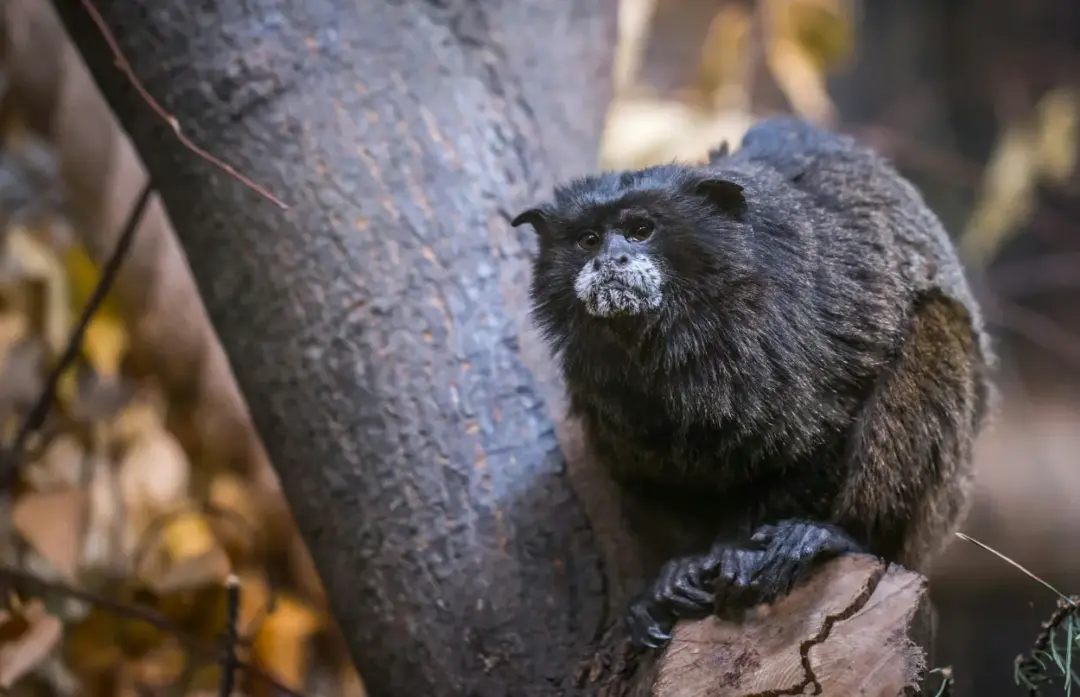
Tamarin Monkeys
Tamarins are small primates that inhabit tropical forests and are particularly active in the middle and lower layers of vegetation.
Depending on the species, their diets include fruits, insects, tree exudates, nectar, and occasionally small vertebrates. Their small size allows them to explore narrow branches and vegetation where larger animals may have difficulty finding food.
Insects provide important nutrients, while fruits and plant materials supply energy. This combination allows tamarins to survive in environments with changing food availability.
Coatis
Coatis are members of the raccoon family and are among the most recognizable omnivorous mammals of the Amazon rainforest.
They have long snouts, flexible noses, and strong claws that help them investigate the forest floor. Their diet includes fruits, insects, spiders, eggs, small reptiles, and other small animals.
Coatis frequently search through fallen leaves, soil, and vegetation for hidden food. Their ability to consume such a variety of resources makes them highly adaptable.
They are also important seed dispersers because they consume fruits and can deposit seeds in different locations as they travel.
Crab-Eating Raccoons
Crab-eating raccoons inhabit parts of tropical South America, including Amazonian environments near rivers, wetlands, and forests.
Their diet is varied and may include crabs, fish, insects, fruits, eggs, and other small animals. Their feeding behavior changes depending on the habitat and the availability of food.
These raccoons are particularly adapted to finding food around aquatic environments, where they can search for crustaceans and other accessible resources.
Kinkajous
Kinkajous are nocturnal mammals that spend much of their lives moving through the rainforest canopy.
They are especially attracted to ripe fruits and nectar, making plant-based foods a major part of their diet. However, they may also consume insects and other small animal material.
Although kinkajous are sometimes described as fruit specialists, their occasional consumption of animal-based foods gives them a more varied feeding profile.
Their feeding activities also contribute to pollination and seed dispersal in tropical forests.
Omnivorous Birds
The Amazon rainforest contains an extraordinary diversity of birds, and several species combine fruit consumption with insects, eggs, and small animals.
Toucans
Toucans are among the most recognizable birds of the Amazon because of their enormous, colorful bills.
Although fruits represent a major part of their diet, toucans are not exclusively fruit eaters. They may also consume insects, small reptiles, eggs, and nestlings.
Their long bills help them reach fruits on branches that might otherwise be difficult to access. By consuming fruit and moving between trees, they also contribute to seed dispersal.
Toucans are therefore important participants in the rainforest food web, connecting plant resources with other animal populations.
Aracaris
Aracaris are smaller relatives of toucans that inhabit tropical forests throughout the Amazon region.
Their diet is largely fruit-based, but they may also eat insects, eggs, and small vertebrates. They frequently forage in the canopy, searching for ripe fruits and other food resources.
Like larger toucans, aracaris help distribute seeds throughout the rainforest, supporting the regeneration of vegetation.
Amazon Parrots
Amazon parrots are colorful birds commonly associated with tropical forests and wooded habitats.
Their diets generally include fruits, seeds, nuts, berries, and other plant materials. However, some parrots may occasionally consume insects or other animal-based foods.
Because their diets are predominantly plant-based, not every Amazon parrot species should be classified as a strict omnivore. Their feeding habits vary between species, and their classification depends on how frequently they consume animal matter.
Omnivorous Fish
The Amazon River and its tributaries support an incredible diversity of fish. Some species have flexible diets that include both plant and animal material.
Red-Bellied Piranhas
Red-bellied piranhas are famous for their powerful jaws and sharp teeth, but their feeding habits are more varied than many people imagine.
They are primarily known as predators and scavengers, consuming fish, insects, crustaceans, and other animal material. However, they may also consume fruits, seeds, and other plant matter.
This dietary flexibility means that their feeding behavior can include both animal and plant resources.
Piranhas are important members of aquatic food webs, participating in interactions between different fish populations and helping process available food resources.
Pacu Fish
Pacu fish are among the most interesting examples of omnivorous fish in the Amazon basin.
Many pacu species consume fruits, seeds, nuts, aquatic vegetation, insects, and other small organisms. Their strong teeth are particularly useful for crushing hard plant material.
During periods when rainforest trees produce large quantities of fruit, some pacu species feed on fruits and seeds that fall into rivers and flooded forests.
This feeding relationship connects terrestrial vegetation with aquatic ecosystems. Pacu can also help disperse seeds through their movements and feeding activities.
What Do Omnivores Eat in the Amazon?
The diet of Amazon rainforest omnivores depends on their species, size, habitat, and seasonal food availability.
The rainforest provides an extensive selection of plant and animal resources, allowing animals to develop different feeding strategies.
Fruits, Nuts, and Seeds
Fruits are among the most important food resources in tropical rainforests.
Many omnivorous mammals and birds consume ripe fruits because they provide carbohydrates, water, and other nutrients. Capuchin monkeys, coatis, toucans, and pacu fish are examples of animals that use fruit resources.
Seeds and nuts also provide valuable energy. Some animals consume them directly, while others transport them to different locations, contributing to forest regeneration.
Insects and Other Invertebrates
Insects represent an important source of protein for many Amazonian omnivores.
Ants, termites, beetles, caterpillars, spiders, and other invertebrates are available throughout different rainforest habitats.
Small primates frequently search branches and tree trunks for insects, while coatis investigate leaf litter and soil.
Insects can be particularly important when certain fruits are unavailable.
Eggs and Small Animals
Some omnivores occasionally consume bird eggs, small reptiles, amphibians, and other accessible animals.
Capuchin monkeys, coatis, and toucans may include these foods in their diets.
These resources provide additional nutrients and demonstrate how flexible feeding behavior allows different species to exploit multiple food sources.
Fish and Other Aquatic Food Sources
Amazonian rivers offer another important feeding environment.
Some omnivorous animals consume fish, crustaceans, aquatic insects, and other organisms found in freshwater habitats.
Crab-eating raccoons, for example, search along riverbanks for aquatic food, while omnivorous fish use resources ranging from fallen fruits to smaller aquatic organisms.
Where Do Omnivores Live in the Amazon Rainforest?
Omnivorous animals occupy different layers of the Amazon rainforest, each providing unique feeding opportunities.
Omnivores in the Forest Canopy
The canopy is the upper layer of the rainforest, where branches, leaves, flowers, and fruits create an abundant feeding environment.
Toucans, aracaris, squirrel monkeys, and kinkajous use this habitat to find food.
Fruit production attracts many species, while insects provide an additional food source.
Animals of the Understory
The understory consists of vegetation growing beneath the canopy.
Tamarins and several other small primates search this layer for insects, fruits, and other resources.
The dense vegetation provides shelter and numerous opportunities for feeding.
Omnivores on the Forest Floor
The forest floor contains fallen fruits, seeds, insects, fungi, and decomposing plant material.
Coatis are particularly active in this environment, using their noses and claws to search for hidden food.
Capuchin monkeys may also descend from trees to investigate food resources.
Omnivores in Amazon Rivers and Wetlands
Amazonian rivers, lakes, and flooded forests support aquatic omnivores and mammals with varied diets.
Pacu fish consume fallen fruits and seeds, while some piranhas use both plant and animal food resources.
Riverbanks also provide feeding opportunities for crab-eating raccoons.
How Do Omnivores Survive in the Amazon?
Omnivorous animals have several advantages in tropical environments where food availability changes throughout the year.
Dietary Flexibility and Food Availability
One of the greatest advantages of omnivory is the ability to use different food sources.
When fruits are abundant, animals can take advantage of this seasonal resource. When fruit production decreases, they may increase their consumption of insects, eggs, or other available foods.
This flexibility reduces dependence on a single food source.
Adaptations for Finding and Eating Food
Different Amazonian omnivores have developed physical adaptations that help them locate and consume food.
- Capuchin monkeys have dexterous hands for manipulating food.
- Coatis have sensitive noses for detecting food hidden in vegetation.
- Toucans have specialized bills for reaching and handling fruits.
- Pacu fish have strong teeth for crushing hard plant material.
- Squirrel monkeys have agile bodies that help them search branches for insects and fruit.
These adaptations allow each species to exploit its ecological niche.
Seasonal Changes in Feeding Habits
The Amazon experiences seasonal variations in rainfall, flooding, and fruit production.
During the rainy season, flooded forests can provide fish with access to fruits and seeds from surrounding vegetation. In other periods, animals may depend more heavily on insects or alternative food sources.
The ability to change feeding habits helps many omnivores remain active throughout the year.
Why Are Omnivores Important to the Amazon Ecosystem?
Omnivores are essential components of the Amazon rainforest because they participate in several ecological processes.
Seed Dispersal and Forest Regeneration
Many omnivorous animals consume fruits and transport seeds through the forest.
When animals move between feeding locations, they may deposit seeds in new areas, helping plants reproduce and colonize different habitats.
Coatis, capuchin monkeys, toucans, and some fish contribute to these ecological interactions.
Controlling Insect Populations
Insects are an important part of the rainforest ecosystem, but their populations are influenced by predators and other feeding relationships.
Omnivorous animals that consume insects help regulate certain invertebrate populations.
This creates connections between plant communities, insect populations, and larger wildlife.
Maintaining the Rainforest Food Web
Omnivores connect different levels of the Amazon food web.
By consuming fruits, insects, eggs, and small animals, they participate in energy transfer between plants and animals.
They may also become prey for larger predators, making them important components of the rainforest’s ecological balance.
Their feeding habits demonstrate how interconnected Amazonian wildlife really is.
Frequently Asked Questions About Omnivores in the Amazon
What Are the Most Common Omnivores in the Amazon?
Examples include capuchin monkeys, squirrel monkeys, tamarins, coatis, crab-eating raccoons, toucans, and certain fish such as pacu and red-bellied piranhas. Their diets vary according to species and food availability.
Are Monkeys in the Amazon Omnivores?
Some Amazonian monkeys are omnivores. Capuchin monkeys, squirrel monkeys, and tamarins consume combinations of fruits, insects, and occasionally small animals. However, the diets of monkeys differ between species.
Are Toucans Omnivores?
Yes. Toucans are primarily fruit eaters, but they may also consume insects, eggs, and small vertebrates. Their varied feeding habits allow them to use different food resources in the rainforest.
Are Piranhas Omnivores?
Some piranhas, including red-bellied piranhas, have varied diets that may include animal and plant material. However, feeding habits differ between species, and not all piranhas have the same dietary preferences.
Do Omnivores Eat Both Plants and Meat?
Yes. Omnivores consume both plant-based and animal-based foods. Their diets can include fruits, seeds, nuts, insects, eggs, fish, and small animals.
What Is the Difference Between Omnivores and Carnivores?
Omnivores consume both plant and animal material, while carnivores primarily obtain their nutrients by eating other animals. For example, capuchin monkeys are omnivores, whereas jaguars are carnivores.
Why Are Omnivores Important in the Rainforest?
Omnivores contribute to seed dispersal, insect population regulation, and energy transfer throughout the food web. Their flexible feeding habits also help them survive when certain food resources become scarce.
Conclusion
Omnivores in the Amazon are fascinating examples of how wildlife adapts to one of the world’s most diverse ecosystems. From capuchin monkeys and coatis to toucans and pacu fish, these animals use a variety of food sources to survive in the rainforest.
Their ability to consume both plants and animals gives them access to fruits, seeds, insects, eggs, and other resources throughout changing seasons.
Beyond their interesting feeding habits, omnivores contribute to seed dispersal, forest regeneration, and the balance of rainforest food webs. They connect different parts of the ecosystem and demonstrate why every animal has an important role in maintaining the Amazon’s extraordinary biodiversity.
Understanding these animals helps us appreciate the complexity of the rainforest and the importance of protecting the habitats that sustain its remarkable wildlife.