
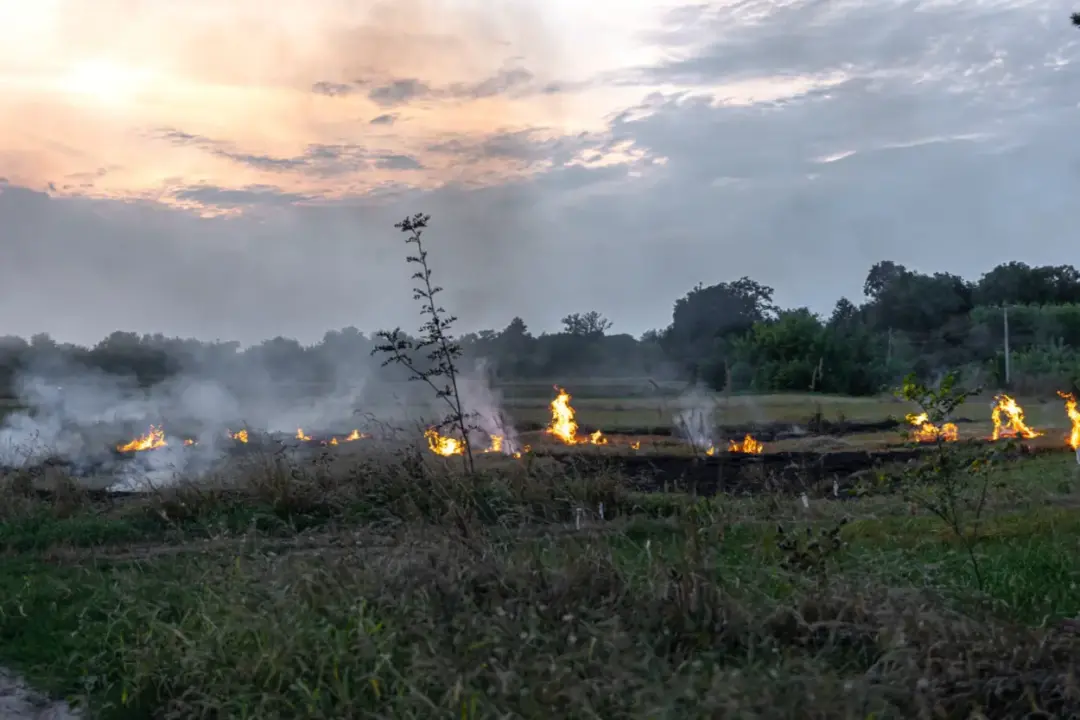
Wildfires in the Amazon are one of the most serious environmental challenges facing the world’s largest tropical rainforest. Every year, fires destroy vegetation, threaten wildlife, release enormous amounts of smoke, and transform forests into degraded landscapes. Although the Amazon is famous for its humid climate, increasingly dry conditions, deforestation, agricultural expansion, and human activities have made large areas vulnerable to burning.
The Amazon rainforest plays a crucial role in maintaining biodiversity, regulating regional rainfall, storing carbon, and supporting millions of people. When fires spread through this ecosystem, their consequences extend far beyond the areas where flames are visible. They can affect the atmosphere, rivers, wildlife habitats, agricultural productivity, and communities throughout South America.
Understanding why Amazon fires occur, when they are most likely to happen, and how they can be prevented is essential for protecting this extraordinary natural environment. Although the problem is complex, sustainable land management, forest conservation, responsible agricultural practices, and stronger prevention efforts can help reduce the risk of future fires.
What Are Wildfires in the Amazon?
Wildfires in the Amazon are uncontrolled fires that spread through forest vegetation, grasslands, agricultural areas, and other natural landscapes throughout the Amazon Basin. Unlike carefully managed fires used for agricultural purposes, wildfires can spread beyond their intended boundaries and become difficult to control, especially during dry weather.
The Amazon rainforest contains an enormous variety of trees, plants, insects, mammals, birds, reptiles, and amphibians. Its humid conditions normally help protect vegetation from burning. However, when forests become dry because of drought, deforestation, or changes in local weather, the vegetation becomes more susceptible to ignition.
Forest fires may begin in cleared land, pastures, roadsides, agricultural fields, or degraded forest edges. Once flames enter the rainforest, they can spread through fallen leaves, branches, dead vegetation, and dry organic material.
How forest fires spread through tropical rainforest
Fire spreads when three essential elements are present: heat, fuel, and oxygen. In the Amazon, fuel consists of leaves, branches, grasses, tree trunks, and other organic material.
During the rainy season, much of this material remains moist, making ignition difficult. During prolonged dry periods, however, vegetation loses moisture and becomes increasingly flammable.
Small fires can move along the forest floor before reaching larger vegetation. Under particularly dry conditions, flames may damage tree trunks, climb into branches, or spread across multiple sections of forest.
Wind, high temperatures, and dry vegetation can accelerate fire movement, making suppression more difficult.
Why the Amazon rainforest is vulnerable to fire
The Amazon is a tropical ecosystem that evolved under relatively humid conditions. Many rainforest species are not adapted to frequent or intense fires.
Unlike ecosystems where fire naturally plays an important role in regeneration, many Amazonian forests can suffer long-lasting damage from burning. Tree mortality, damaged roots, exposed soil, and reduced canopy cover can weaken the forest and make it more vulnerable to future fires.
When forests are fragmented by roads, farms, and clearings, their edges become hotter and drier. This creates conditions that allow fire to penetrate areas that previously remained protected by dense vegetation.
Natural fires versus human-caused fires
Some fires can begin naturally, particularly through lightning under specific weather conditions. However, most fires across many parts of the Amazon are associated with human activities.
People commonly use fire to clear vegetation, prepare agricultural land, remove unwanted plant material, or maintain pasture. These fires may be intentional, but they can become uncontrolled when weather conditions are unfavorable or when fire management is inadequate.
The combination of human ignition and environmental conditions is one of the main reasons Amazon wildfires can become so destructive.
What Causes Wildfires in the Amazon?
Wildfires in the Amazon are usually caused by several interconnected factors. Human activities often provide the ignition source, while drought, high temperatures, forest degradation, and changing climate conditions determine how easily fires spread.
Deforestation and land clearing
Deforestation is one of the major drivers of Amazon fires. Trees are removed to create land for agriculture, infrastructure, settlements, and other economic activities.
After vegetation is cut down, the remaining branches, leaves, and tree trunks may be burned to clear the land. These fires are intended to prepare the ground for another use, but they can escape into nearby forests.
Deforested landscapes often contain large quantities of dry vegetation, making them particularly vulnerable during the dry season. As cleared areas expand, the boundaries between agricultural land and intact forest increase, creating additional opportunities for fires to enter natural ecosystems.
Agriculture and cattle ranching
Agricultural expansion and cattle ranching are closely associated with fire activity in the Amazon. Farmers and ranchers may use burning to remove weeds, clear fields, manage pastures, or prepare land for cultivation.
Fire is sometimes considered an inexpensive method of land management because it can remove vegetation quickly. However, uncontrolled burning can damage neighboring forests, destroy crops, reduce soil quality, and create significant economic losses.
As agricultural landscapes expand into forest areas, the risk of accidental fires increases. Poorly managed burning, insufficient firebreaks, and dry weather can transform a small agricultural fire into a major wildfire.
Drought, heat, and climate change
Drought is one of the most important environmental conditions that intensifies Amazon wildfires.
During prolonged periods without sufficient rainfall, rivers may decline, soil moisture decreases, and vegetation becomes increasingly dry. Trees experiencing water stress may lose leaves, branches can dry out, and forest floors accumulate flammable material.
High temperatures increase evaporation and make vegetation lose moisture more quickly. Climate change can intensify these conditions by increasing heat extremes, altering rainfall patterns, and contributing to longer or more severe dry periods in vulnerable regions.
Climate conditions do not necessarily start every fire, but they can dramatically increase the likelihood that an existing ignition will spread.
Accidental fires and uncontrolled burning
Many fires begin as controlled agricultural burns that accidentally escape into surrounding vegetation.
A fire may be manageable in the morning but become dangerous later when temperatures rise, winds strengthen, and humidity decreases. Burning near forest edges, during droughts, or without sufficient firebreaks increases the risk of uncontrolled spread.
Accidental fires can destroy valuable forest areas even when the original intention was simply to clear a small field or maintain agricultural land.
Illegal land occupation and forest degradation
Illegal land clearing, unauthorized logging, and occupation of protected forest areas can contribute to fire activity.
In some situations, burning is used to remove vegetation and create visible evidence of land use. Forest fragmentation caused by roads, logging, and clearing also makes previously protected areas more vulnerable.
Degraded forests are particularly susceptible because their canopies may be thinner, their microclimates drier, and their vegetation more exposed to sunlight and wind.
When Is Amazon Fire Season?
Amazon fire activity generally increases during the dry season, although the exact timing varies according to location, rainfall patterns, elevation, and local climate.
The Amazon dry season
The dry season is the period when rainfall decreases and vegetation gradually loses moisture. In many areas, this creates favorable conditions for agricultural burning and increases the risk of uncontrolled fires.
Some Amazon regions experience relatively short dry seasons, while others may have several months of reduced rainfall. These seasonal differences influence where fires occur and how severe they become.
The months with the highest fire risk
Fire activity often increases during the middle and later parts of the dry season, commonly between July and October in many areas of the Brazilian Amazon. In some regions, elevated fire risk can extend into November or other months, depending on rainfall conditions.
The highest-risk periods usually occur when dry vegetation, high temperatures, low humidity, and agricultural burning coincide.
How drought and weather conditions increase fire activity
A normal dry season does not automatically produce severe wildfires. Fire activity can become much more dangerous when rainfall is significantly below average.
During extreme droughts, vegetation remains dry for longer periods, rivers become lower, and fires can spread through areas that would normally remain too humid to burn.
Weather conditions such as strong winds, heat waves, and low atmospheric humidity can increase fire intensity and complicate firefighting efforts.
Where Do Wildfires Occur in the Amazon?
Wildfires can occur throughout the Amazon Basin, which extends across several South American countries. However, fire activity is often concentrated in areas where forest, agricultural land, and human settlements meet.
The southern and eastern Amazon
The southern and eastern Amazon contain extensive areas affected by agricultural expansion, cattle ranching, roads, logging, and land clearing.
These activities create landscapes where forest fragments are surrounded by pastures, farms, and cleared vegetation. Such conditions can increase the likelihood that agricultural fires will spread into natural forests.
Forest edges and deforested areas
Forest edges are especially vulnerable to fire because trees near clearings experience greater exposure to sunlight, wind, and dry air.
Deforestation can change the microclimate inside nearby forests, reducing humidity and increasing temperatures. When fires enter these areas, they may travel into the forest understory and damage vegetation without necessarily producing large flames visible from above.
Fires across Amazonian countries
The Amazon rainforest extends across Brazil, Peru, Colombia, Bolivia, Ecuador, Venezuela, Guyana, Suriname, and French Guiana.
Fire risk differs among countries and regions because of variations in climate, agricultural activity, forest management, land-use patterns, and environmental conditions.
The entire Amazon is interconnected, meaning fires and smoke can affect landscapes and communities far from their original locations.
Environmental Impacts of Amazon Wildfires
The environmental consequences of wildfires in the Amazon are extensive. Even fires that do not completely destroy a forest can weaken its ecological structure and create long-lasting damage.
Deforestation and forest degradation
Fires can destroy trees, reduce canopy cover, and transform dense rainforest into degraded vegetation.
When trees die, the forest becomes more open, allowing sunlight to reach the ground and increasing temperatures near the forest floor. This can dry vegetation and create conditions that encourage additional fires.
Repeated burning may gradually change the structure of a forest, reducing its ability to recover and increasing the risk of permanent ecosystem degradation.
Biodiversity loss and wildlife displacement
The Amazon contains millions of species, many of which depend on specific habitats for food, shelter, breeding, and survival.
Wildfires destroy nesting sites, burrows, feeding areas, and vegetation used by wildlife. Animals may flee from flames, smoke, and heat, but escaping is not always possible.
Slow-moving species, animals living in trees, and wildlife with limited mobility may be particularly vulnerable. Birds can lose nesting trees, mammals may become displaced, and reptiles and amphibians can suffer from habitat destruction and changes in temperature and moisture.
Even animals that survive the immediate fire may face starvation, competition, and increased exposure to predators after their habitats have been damaged.
Soil damage and forest regeneration
Rainforest soils are often highly dependent on organic material and nutrient cycling. Fires can destroy leaf litter, damage microorganisms, and expose the soil to erosion.
When vegetation disappears, heavy rainfall can wash away soil particles and nutrients. This makes it more difficult for seedlings and young trees to establish themselves.
Repeated fires may reduce the natural regeneration capacity of the forest, allowing grasses and other fire-tolerant vegetation to replace rainforest plants in some degraded areas.
Water cycles and rainfall patterns
The Amazon rainforest contributes to regional rainfall through evaporation and transpiration. Trees absorb water from the soil and release moisture into the atmosphere through their leaves.
When large areas of forest are damaged or destroyed, moisture recycling can decline. This may influence local and regional rainfall patterns, particularly when forest loss occurs across extensive landscapes.
Reduced rainfall can contribute to drought conditions, creating an environmental feedback that makes forests more vulnerable to future fires.
Carbon emissions and climate change
Trees, roots, soils, and vegetation store large quantities of carbon. When forests burn, some of this carbon is released into the atmosphere as carbon dioxide and other gases.
Wildfires therefore contribute to greenhouse gas emissions and global warming. At the same time, damaged forests may absorb less carbon in the future because fewer trees remain alive and healthy.
This creates a damaging cycle: hotter conditions and drought increase fire risk, fires release carbon and damage forests, and weakened forests become less capable of storing carbon and regulating climate.
How Amazon Fires Affect People
Wildfires do not only affect wildlife and ecosystems. They can have serious consequences for people living throughout the Amazon region.
Indigenous communities and local populations
Indigenous communities depend on healthy forests for food, water, medicine, shelter, cultural traditions, and livelihoods.
Fires can destroy crops, contaminate water sources, damage traditional hunting and gathering areas, and threaten homes and villages. The loss of forest resources can affect food security and community well-being long after the flames have disappeared.
For communities whose cultural identity is closely connected to the rainforest, forest destruction also represents the loss of ancestral knowledge, sacred landscapes, and traditional practices.
Smoke pollution and respiratory health
Smoke from Amazon wildfires can travel long distances, affecting rural communities, towns, and cities.
Wildfire smoke contains fine particles and gases that can irritate the eyes, throat, and lungs. Exposure can worsen asthma, contribute to respiratory illnesses, and create health risks for children, older adults, and people with existing medical conditions.
Heavy smoke can reduce visibility, affect transportation, disrupt schools, and make outdoor activities unsafe.
Agriculture, livelihoods, and economic consequences
Fires can damage farms, livestock, crops, buildings, and infrastructure. Smoke may affect agricultural productivity, while burned vegetation can reduce pasture quality and increase erosion.
Communities may also experience economic losses through interrupted transportation, reduced tourism activity, emergency expenses, and damage to natural resources.
The costs of wildfires can extend well beyond the immediate firefighting period because recovery may require years of rebuilding livelihoods and restoring landscapes.
Can the Amazon Rainforest Recover After a Fire?
The Amazon rainforest can recover from some fire damage, but the process depends on the intensity of the fire, the amount of vegetation destroyed, soil conditions, rainfall, and whether the area burns again.
Natural forest regeneration
After a fire, surviving trees may produce new shoots, while seeds dispersed by animals, wind, and water can help vegetation return.
In areas where the soil remains relatively healthy and nearby forests are intact, natural regeneration may gradually restore canopy cover and ecological functions.
However, recovery does not happen immediately. Young trees need years to grow, and the return of mature forest structure, biodiversity, and ecological relationships may take decades or longer.
Why repeated fires prevent recovery
Repeated burning can prevent seedlings from growing into mature trees. Young vegetation is especially vulnerable to fire, and each additional burning event can remove the progress made during recovery.
As forest structure declines, grasses and dry vegetation may become more abundant, increasing the risk of another fire.
This cycle can transform damaged rainforest into a landscape that is increasingly difficult to restore naturally.
Ecological restoration and reforestation
Restoration projects can help degraded forests recover by protecting the land from additional fires, encouraging native vegetation, and reconnecting fragmented habitats.
Depending on local conditions, restoration may involve natural regeneration, planting native trees, protecting seed sources, controlling invasive vegetation, and rebuilding wildlife corridors.
The most effective restoration strategy is usually to prevent further damage while allowing the natural ecosystem to recover wherever possible.
How Can Wildfires in the Amazon Be Prevented?
Preventing Amazon wildfires requires addressing both the sources of ignition and the environmental conditions that allow fires to spread.
Reducing deforestation
Protecting existing forests is one of the most effective ways to reduce fire risk.
Healthy, intact forests retain moisture, maintain shaded conditions, and create natural barriers that can limit the spread of fires. Reducing unnecessary clearing also decreases the amount of dry vegetation left behind after land conversion.
Forest conservation helps protect biodiversity, carbon storage, rainfall regulation, and the natural resilience of Amazonian ecosystems.
Responsible agricultural practices
Farmers and ranchers can reduce fire risk by adopting land-management methods that do not rely heavily on uncontrolled burning.
Alternative practices include managing vegetation mechanically, maintaining healthy pastures, using agroforestry systems, improving soil management, and establishing firebreaks.
When burning is legally permitted and necessary, it should be conducted under appropriate conditions with trained personnel, adequate equipment, and careful monitoring.
Fire monitoring and early detection
Monitoring systems can help identify fire hotspots before they spread over large areas.
Satellite observations, aerial surveillance, local patrols, weather information, and community reporting can improve detection and emergency response.
Early intervention is especially important during severe droughts when fires can spread rapidly and become difficult to contain.
Protected areas and environmental enforcement
Protected forests, Indigenous territories, conservation areas, and environmental regulations play an important role in reducing deforestation and illegal burning.
Effective enforcement can discourage illegal land clearing and help prevent fires from being used to destroy protected vegetation.
However, enforcement works best when combined with education, community participation, sustainable economic opportunities, and practical support for people living in forest regions.
Community-based conservation
Local communities often possess valuable knowledge about forest conditions, seasonal weather, vegetation, wildlife, and traditional land management.
Community-based conservation programs can support fire prevention through training, early-warning systems, local patrols, fire-management planning, and cooperation between neighboring communities.
Including local people in conservation decisions helps develop solutions that are environmentally effective and economically realistic.
What Can People Do to Help Protect the Amazon?
Protecting the Amazon from wildfires requires action at many levels, from local communities and governments to businesses, travelers, and consumers.
People can support sustainable products, reduce their contribution to deforestation, promote environmental awareness, and encourage responsible land management.
Supporting conservation organizations and community-led projects can help fund forest protection, restoration, education, and fire prevention.
Responsible Amazon tourism can also contribute to conservation when visitors choose activities that respect wildlife, support local communities, and encourage the protection of natural habitats.
The future of the Amazon depends on protecting forests before they burn. Preventing fires is generally more effective than trying to restore ecosystems after extensive destruction has occurred.
By combining forest conservation, sustainable agriculture, responsible development, and community participation, it is possible to reduce fire risk while supporting people who depend on the Amazon for their livelihoods.
The Amazon rainforest is one of Earth’s most valuable natural ecosystems, and protecting it is essential for biodiversity, climate stability, and future generations.
Frequently Asked Questions About Wildfires in the Amazon
Why is the Amazon rainforest burning?
The Amazon rainforest burns primarily because of human activities such as deforestation, agricultural land clearing, cattle ranching, and pasture management. Drought, high temperatures, low humidity, and climate change make vegetation more flammable and allow fires to spread into natural forests.
Are wildfires in the Amazon natural?
Although some fires can begin naturally, such as those caused by lightning, most fires in many Amazonian regions are associated with human activities. The rainforest’s naturally humid conditions generally limit the frequency and spread of natural fires.
Do Amazon fires happen every year?
Yes, fires occur every year in different parts of the Amazon. However, the number of fires, their intensity, and the amount of forest affected vary considerably depending on rainfall, drought, agricultural activity, deforestation, and land management.
How do fires affect Amazon animals?
Wildfires destroy animal habitats, food sources, nesting sites, and shelter. Animals may escape the flames but can struggle to find food and suitable habitats afterward. Repeated fires can threaten wildlife populations by reducing habitat quality and increasing ecosystem fragmentation.
Do Amazon wildfires contribute to climate change?
Yes. Wildfires release carbon dioxide and other greenhouse gases stored in trees and vegetation. They also damage forests that would otherwise absorb carbon from the atmosphere, contributing to climate change and reinforcing environmental conditions that can increase fire risk.
Can the Amazon rainforest survive repeated fires?
The Amazon can recover from some fires, but repeated burning can prevent natural regeneration and cause permanent changes in forest structure. Frequent fires may transform dense rainforest into degraded vegetation with lower biodiversity and reduced ecological resilience.
How can Amazon rainforest fires be stopped?
Amazon fires can be reduced through forest conservation, sustainable agriculture, responsible fire management, early detection, drought preparedness, environmental enforcement, and community-based prevention programs. Preventing deforestation and avoiding uncontrolled burning are among the most important long-term solutions.