
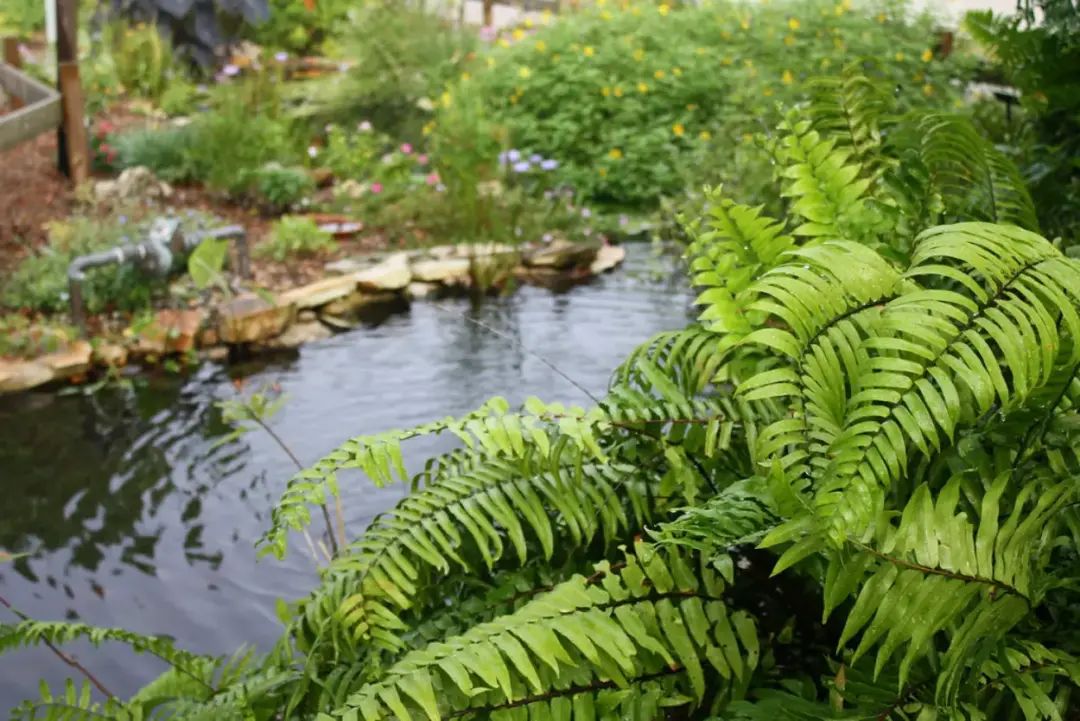
The Amazon rainforest is famous for its towering trees, extraordinary wildlife, and vast network of rivers, but its freshwater environments are equally rich in plant life. Amazon aquatic plants grow in rivers, lakes, streams, flooded forests, marshes, and other wetland habitats throughout the Amazon Basin. These plants are essential to maintaining ecological balance, supporting wildlife, recycling nutrients, and creating habitats for thousands of aquatic organisms.
Unlike terrestrial rainforest vegetation, aquatic plants must survive in environments where water levels, currents, sunlight, and nutrient availability change constantly. Some float freely on the surface, others remain completely submerged, while different species grow along riverbanks and in shallow flooded areas. Their adaptations allow them to survive seasonal flooding, fluctuating water levels, and the unique conditions of tropical freshwater ecosystems.
Understanding Amazon aquatic plants provides a fascinating perspective on how the rainforest functions. Although they may appear small compared with the giant trees surrounding the waterways, these plants contribute significantly to the health and productivity of the Amazon’s rivers and wetlands.
What Are Amazon Aquatic Plants?
Amazon aquatic plants are vegetation adapted to living in freshwater environments throughout the Amazon Basin. They can grow completely underwater, partially submerged, floating freely, or rooted in muddy riverbanks and shallow floodplain areas.
The Amazon contains an enormous variety of freshwater habitats. Fast-moving rivers, quiet lagoons, flooded forests, shallow lakes, and seasonal wetlands all provide different conditions for plant growth. Each environment supports vegetation with particular adaptations to water depth, sunlight, nutrients, and movement.
Some aquatic plants have roots anchored in soft sediments, while others float without being attached to the ground. Certain species develop broad leaves that rest on the water surface, allowing them to capture sunlight efficiently. Underwater plants have different structures that help them absorb nutrients directly from the surrounding water.
Aquatic vegetation is especially abundant in areas where water moves slowly and sunlight reaches the surface. These conditions allow floating leaves, stems, and submerged plants to grow and form dense communities.
Freshwater plants of the Amazon Basin
Freshwater vegetation is an important component of the Amazon’s ecological diversity. Aquatic plants are found throughout the basin, from small tributaries and shallow ponds to expansive floodplain lakes.
Many plants grow in nutrient-rich environments where organic material accumulates. Decomposing leaves, branches, and other natural matter provide nutrients that support vegetation and microorganisms. The combination of warm temperatures, abundant rainfall, and seasonal flooding creates opportunities for aquatic plants to grow throughout much of the year.
Where aquatic vegetation grows
Amazon aquatic plants are distributed across a variety of freshwater environments, including:
- River margins and shallow channels
- Oxbow lakes and lagoons
- Floodplain wetlands
- Marshes and swamps
- Seasonally flooded forests
- Quiet water areas near tributaries
- Shallow ponds and natural pools
The distribution of plants depends largely on water depth, sunlight, nutrient availability, current strength, and the seasonal movement of water.
Main Types of Amazon Aquatic Plants
Aquatic vegetation can be classified according to where and how it grows. Floating, submerged, and emergent plants occupy different ecological niches, allowing them to coexist in the same water system.
Floating aquatic plants
Floating plants are among the most recognizable forms of Amazon aquatic vegetation. Some species drift freely across the water, while others have leaves that float on the surface but remain connected to roots anchored in the sediment.
Floating plants are adapted to obtain sunlight directly from above the water. Their leaves often contain air spaces that help maintain buoyancy. Some have delicate roots that hang beneath the surface, absorbing dissolved nutrients and providing shelter for small aquatic organisms.
Floating vegetation can spread rapidly under favorable conditions, creating patches or dense mats on quiet waters. These plant communities provide food, shade, and protection for various aquatic animals.
Plants with floating leaves and roots underwater
Floating-leaf plants often have broad, flat leaves that help them capture sunlight. Their roots extend into the water or sediment, allowing them to absorb nutrients and remain anchored.
The leaves may be supported by long, flexible stems that adjust to changing water levels. This is particularly useful in floodplain environments where the depth of water can increase dramatically during the rainy season.
Submerged aquatic vegetation
Submerged plants grow primarily beneath the water surface. Their stems, leaves, and sometimes flowers are adapted to aquatic conditions, allowing them to survive in environments where terrestrial plants would struggle.
These plants can provide important underwater habitats for fish, aquatic insects, crustaceans, and other organisms. Their branches and leaves create hiding places, while their growth contributes to the structure of freshwater ecosystems.
Submerged vegetation also participates in nutrient cycling and photosynthesis. The amount of sunlight available, water clarity, and the concentration of dissolved nutrients can influence how densely these plants grow.
Plants growing beneath the water surface
Underwater plants often have thin or flexible leaves that move with water currents. Their structures may be less rigid than those of terrestrial plants because water provides physical support.
Some submerged species absorb nutrients through their leaves and stems rather than relying entirely on their roots. This adaptation helps them utilize nutrients distributed throughout the surrounding water.
Emergent and shoreline plants
Emergent vegetation grows in shallow water or saturated soil, with some portions of the plant extending above the water surface. These plants commonly occur along riverbanks, marshes, lagoons, and flooded forest edges.
Their roots may remain submerged or buried in waterlogged soil, while their stems and leaves reach the air. This allows them to access sunlight and atmospheric carbon dioxide while surviving wet conditions.
Emergent plants can form important transition zones between aquatic and terrestrial ecosystems.
Vegetation growing in shallow water and flooded banks
Shallow-water plants stabilize sediments, reduce erosion, and create shelter for wildlife. Their roots help hold soft soil together, while their stems slow water movement in certain areas.
These vegetation zones are particularly important during seasonal flooding because they expand the available habitat for aquatic organisms.
Famous Aquatic Plants of the Amazon
The Amazon Basin contains numerous aquatic plants with remarkable appearances and adaptations. Some are easy to recognize because of their large floating leaves, colorful flowers, or ability to form extensive vegetation communities.
Giant water lilies
Giant water lilies are among the most spectacular plants found in tropical freshwater environments. Their enormous circular leaves float on the water surface, supported by structures that help them remain buoyant.
The leaves have an impressive surface area, allowing them to capture large amounts of sunlight. Their undersides and supporting structures are adapted to the aquatic environment, helping them maintain stability while floating.
These plants generally grow in calm, shallow waters where sunlight reaches the bottom and conditions allow their roots to establish in soft sediment. Their large leaves can create shaded areas beneath the surface, influencing water temperature, light availability, and the behavior of aquatic organisms.
The flowers of giant water lilies are also remarkable. They may open at different times during their flowering cycle and display distinctive colors and fragrances that attract pollinating insects.
Water hyacinths
Water hyacinths are floating plants recognized by their rounded leaves and swollen stems, which contain air-filled tissues that help them float.
They can reproduce rapidly when nutrients and environmental conditions are favorable. In suitable locations, they may form thick floating communities that cover significant portions of the water surface.
These vegetation mats can provide shelter for small fish and invertebrates. However, excessive growth may block sunlight, limit water circulation, and reduce oxygen levels beneath dense plant coverage.
Their ability to multiply quickly makes them an important example of how floating vegetation can influence the structure and function of aquatic environments.
Floating grasses and aquatic herbs
Various grasses and small herbs grow along Amazon river margins, shallow floodplains, and wetland areas. Some tolerate temporary inundation, while others thrive in permanently wet conditions.
These plants can spread across exposed muddy surfaces during low-water periods and become submerged or surrounded by water when rivers rise.
Their roots and stems provide shelter for insects, juvenile fish, and other small organisms. They also help capture sediment and organic material, contributing to the development of productive wetland habitats.
Underwater vegetation in lakes and slow-moving rivers
Slow-moving rivers, lagoons, and shallow lakes often support submerged vegetation. These plants may remain below the water surface, creating underwater landscapes that are rarely visible to visitors.
Their presence depends on water clarity, available sunlight, nutrient levels, and depth. In suitable conditions, underwater plants can provide spawning areas, feeding grounds, and shelter for freshwater wildlife.
How Amazon Aquatic Plants Adapt to Their Environment
Living in freshwater environments requires specialized adaptations. Aquatic plants must manage buoyancy, obtain nutrients, tolerate changing water levels, and respond to environmental conditions that differ from those experienced by terrestrial vegetation.
Surviving seasonal floods
Seasonal flooding is one of the defining features of the Amazon Basin. Rivers expand beyond their channels, inundating forests, grasslands, and wetlands.
Aquatic plants must tolerate significant changes in water depth. Some grow rapidly when floodwaters arrive, while others survive submerged periods or remain dormant until conditions become favorable.
Flooding can also transport seeds, plant fragments, and nutrients to new locations, helping aquatic vegetation colonize additional habitats.
Floating structures and flexible stems
Many floating plants possess air-filled tissues that increase buoyancy. These structures help keep leaves close to the water surface, where sunlight is most available.
Flexible stems allow plants to move with waves, currents, and fluctuating water levels. This flexibility reduces the risk of damage when environmental conditions change.
Access to sunlight and nutrients
Sunlight is necessary for photosynthesis, but its availability underwater decreases with depth and water turbidity.
Floating plants have an advantage because their leaves receive sunlight directly. Submerged vegetation must grow in locations where enough light penetrates the water.
Nutrients are obtained through roots, stems, or leaves depending on the plant species. Organic material deposited in wetlands and floodplain environments can contribute to nutrient availability.
Adaptations to changing water levels
Amazon aquatic plants often experience alternating periods of inundation and exposure. Some can tolerate temporary drying, while others depend on permanent water.
Certain plants can produce new leaves and stems as water levels rise. Others develop roots that remain anchored in sediment despite changes in water depth.
These adaptations help aquatic vegetation survive the dynamic conditions of tropical rivers.
Why Amazon Aquatic Plants Are Important
Aquatic vegetation plays a fundamental role in the health of freshwater environments. It supports wildlife, influences water conditions, contributes to nutrient cycling, and creates habitats that sustain ecological diversity.
Providing shelter and breeding habitats
Plant roots, stems, and leaves create complex structures that provide shelter for fish, insects, and other aquatic organisms.
Small fish can hide among vegetation to avoid predators. Invertebrates use plants as surfaces for feeding, resting, and reproduction. Some aquatic organisms deposit eggs on submerged leaves or stems.
These habitats are especially important for juvenile animals, which often need protected areas during early development.
Supporting fish, insects, and birds
Aquatic plants support food webs by providing habitat for organisms that feed on plant material, algae, microorganisms, and detritus.
Fish may feed on insects living among vegetation, while birds forage in shallow water and floating plant communities. Some species use vegetation as resting platforms or nesting material.
By supporting numerous organisms, aquatic plants contribute to the biodiversity of Amazon freshwater ecosystems.
Oxygen production and nutrient cycling
Aquatic plants produce oxygen through photosynthesis when sunlight is available. This oxygen contributes to freshwater ecosystem processes, although oxygen levels are also strongly influenced by water movement, temperature, and decomposition.
Plants absorb nutrients and incorporate them into their tissues. When leaves and stems die, decomposers break down organic matter, returning nutrients to the environment.
This process supports productivity and helps maintain the ecological balance of aquatic habitats.
Protecting riverbanks and water environments
Rooted vegetation helps stabilize sediments along riverbanks and shallow wetlands. Plant roots hold soil together, reducing erosion in some areas.
Vegetation can also slow water movement, allowing suspended particles to settle. This contributes to the development of wetland environments and creates conditions suitable for additional plant and animal life.
The Relationship Between Aquatic Plants and Amazon Wildlife
Aquatic plants and wildlife depend on each other in many ways. Vegetation creates habitats, while animals contribute to ecological processes such as pollination, seed dispersal, nutrient movement, and food-web interactions.
Fish and underwater vegetation
Many fish use aquatic plants for protection and feeding. Dense vegetation offers hiding places where smaller fish can avoid predators.
Plant-covered areas can support abundant insects, larvae, and other food sources. Some fish also use aquatic vegetation as spawning habitat, depositing eggs on leaves, roots, or submerged structures.
The availability of aquatic plants can therefore influence fish distribution and survival.
Amphibians and aquatic insects
Amphibians frequently depend on wetland environments for reproduction and development. Shallow waters, flooded vegetation, and quiet ponds may provide suitable locations for laying eggs and developing tadpoles.
Aquatic insects use plants as habitat during different stages of their life cycles. Some attach eggs to vegetation, while others live among roots or leaves before emerging as adults.
These insects are important food sources for fish, amphibians, birds, and other wildlife.
Birds and floating plant communities
Birds may use aquatic vegetation for feeding, resting, and nesting. Shallow wetlands and floating plant patches provide access to insects, small fish, and other prey.
Some birds move between flooded forests, marshes, and river margins according to seasonal changes in food availability and water levels.
Vegetation creates different habitats within the same wetland, increasing the number of ecological opportunities available to birds.
Food chains in freshwater ecosystems
Aquatic plants contribute to freshwater food chains through living plant material, fallen leaves, and organic matter.
Plant tissues may be consumed directly by herbivorous organisms. Decomposing vegetation supports bacteria, fungi, and other microorganisms that become food for small aquatic animals.
These organisms are then eaten by larger fish, amphibians, reptiles, and birds. This interconnected system demonstrates how aquatic vegetation supports wildlife far beyond the plants themselves.
Seasonal Changes in Amazon Aquatic Vegetation
The Amazon experiences significant seasonal changes in water levels. These variations influence where plants grow, how much sunlight they receive, and how aquatic habitats are distributed.
Aquatic plants during the rainy season
During the rainy season, rising rivers inundate large areas of the floodplain. Aquatic plants may expand into flooded forests, shallow grasslands, and newly connected lagoons.
Floodwaters transport nutrients, seeds, and plant fragments throughout the landscape. Many aquatic organisms also move into flooded areas where food and shelter are abundant.
The expansion of water habitats creates opportunities for vegetation to grow in new locations.
Vegetation during the dry season
When water levels fall, aquatic habitats become smaller and more concentrated. Some plants remain in permanent water, while others grow on exposed mud or moist soil.
Low-water periods may expose previously submerged vegetation to sunlight and air. Certain plants take advantage of these conditions to grow, flower, or reproduce.
Seasonal exposure also influences nutrient availability and competition between aquatic and terrestrial vegetation.
Floodplain forests and changing water levels
Floodplain forests are environments where water levels regularly change and inundate surrounding vegetation.
Aquatic plants, shrubs, and trees interact across these flooded landscapes. Water movement distributes organic matter, while vegetation provides shelter for wildlife and influences the structure of the ecosystem.
These changing conditions create some of the most productive and biologically diverse habitats in the Amazon.
Threats to Amazon Aquatic Plants
Although aquatic plants are naturally adapted to changing environments, they can be affected by human activities that alter water quality, hydrology, and habitat structure.
Pollution and water contamination
Pollution can affect plant growth and the organisms living among aquatic vegetation. Chemical contaminants, waste, and excessive nutrient inputs may change water conditions.
In some areas, nutrient enrichment can promote rapid plant growth, but excessive vegetation may eventually reduce water circulation and affect oxygen availability.
Clean freshwater is essential for maintaining healthy aquatic plant communities and the wildlife that depends on them.
Deforestation and habitat loss
Deforestation near rivers and wetlands can alter sediment movement, water temperature, and the natural flow of nutrients.
Removing forest vegetation may increase erosion, allowing more sediment to enter rivers and lakes. This can reduce water clarity and affect submerged plants that require sunlight.
The destruction of wetlands and floodplain habitats also removes important areas where aquatic vegetation naturally grows.
Climate change and altered flood patterns
Climate change can influence rainfall patterns, drought intensity, temperature, and the timing of seasonal flooding.
Changes in water levels may affect plant reproduction, distribution, and survival. Extended droughts can reduce aquatic habitat, while unusually intense floods may disturb vegetation communities.
Because Amazon aquatic plants depend on seasonal environmental conditions, changes in flood cycles may have consequences for the entire freshwater ecosystem.
Human pressure on freshwater ecosystems
Human activities near waterways can directly or indirectly affect aquatic vegetation. River traffic, land conversion, waste disposal, and disturbance of wetland environments can change habitat conditions.
Protecting aquatic plants requires maintaining the natural characteristics of freshwater environments and minimizing harmful disturbances.
Conservation of Amazon Aquatic Habitats
Conserving aquatic vegetation means protecting the rivers, wetlands, floodplains, and forests that allow plants to grow naturally.
Protecting rivers, lakes, and wetlands
Healthy freshwater ecosystems require clean water, natural hydrological cycles, and suitable habitats.
Protecting wetlands and river margins helps preserve aquatic vegetation while maintaining important habitats for fish, birds, amphibians, and other organisms.
Conservation efforts should consider entire watersheds rather than isolated locations because rivers connect different environments throughout the Amazon Basin.
Maintaining biodiversity
Aquatic plants contribute to biodiversity by creating habitats and supporting complex ecological relationships.
Protecting diverse vegetation communities helps maintain ecological stability. Different plant species respond differently to water levels, sunlight, and nutrients, ensuring that freshwater habitats remain functional under changing environmental conditions.
Sustainable management of freshwater environments
Responsible land use, reducing pollution, protecting riverbank vegetation, and conserving wetlands can help safeguard Amazon aquatic plants.
Environmental awareness also plays an important role. Understanding the importance of freshwater vegetation encourages people to recognize wetlands as valuable ecosystems rather than empty or unproductive land.
Conservation of aquatic plants benefits not only vegetation but also fish populations, wildlife, water quality, and the long-term health of the Amazon rainforest.
Frequently Asked Questions About Amazon Aquatic Plants
What plants grow in the Amazon River?
The Amazon River and its surrounding freshwater habitats support floating plants, submerged vegetation, water lilies, aquatic grasses, and shoreline plants. The species found in each location depend on water depth, current strength, sunlight, and nutrients.
Are there plants that float on the Amazon?
Yes. Many aquatic plants float on the surface of Amazon waterways. Some drift freely, while others have floating leaves connected to roots anchored in the sediment. These plants provide shade, shelter, and habitat for aquatic organisms.
Do Amazon aquatic plants survive floods?
Many aquatic plants are adapted to seasonal flooding. They may tolerate submerged conditions, grow as water levels rise, or spread through seeds and plant fragments carried by floodwaters. However, different species have different tolerances to flood duration and depth.
Why are aquatic plants important to Amazon wildlife?
Aquatic plants provide shelter, feeding areas, breeding habitats, and protection for fish, insects, amphibians, and birds. They also contribute to photosynthesis, nutrient cycling, and the development of freshwater food chains.
Are Amazon aquatic plants endangered?
Not all Amazon aquatic plants are threatened, but some local populations and freshwater habitats may be affected by pollution, deforestation, climate change, and habitat disturbance. Protecting rivers, wetlands, and floodplain ecosystems is important for maintaining aquatic plant diversity.
Conclusion
Amazon aquatic plants are an essential part of the rainforest’s freshwater ecosystems. From floating vegetation and giant water lilies to submerged plants and shoreline grasses, they occupy diverse habitats and demonstrate remarkable adaptations to seasonal flooding, changing water levels, and tropical conditions.
These plants provide shelter for aquatic wildlife, support food chains, contribute to oxygen production, recycle nutrients, and help maintain the ecological balance of rivers, lakes, and wetlands. Their importance extends throughout the Amazon Basin, connecting freshwater habitats with surrounding forests and the animals that depend on them.
Protecting Amazon aquatic plants means protecting the freshwater environments that sustain the rainforest. Healthy rivers, wetlands, and floodplain forests are vital for biodiversity, and preserving them helps ensure that the Amazon continues to function as one of the most remarkable natural ecosystems on Earth.