
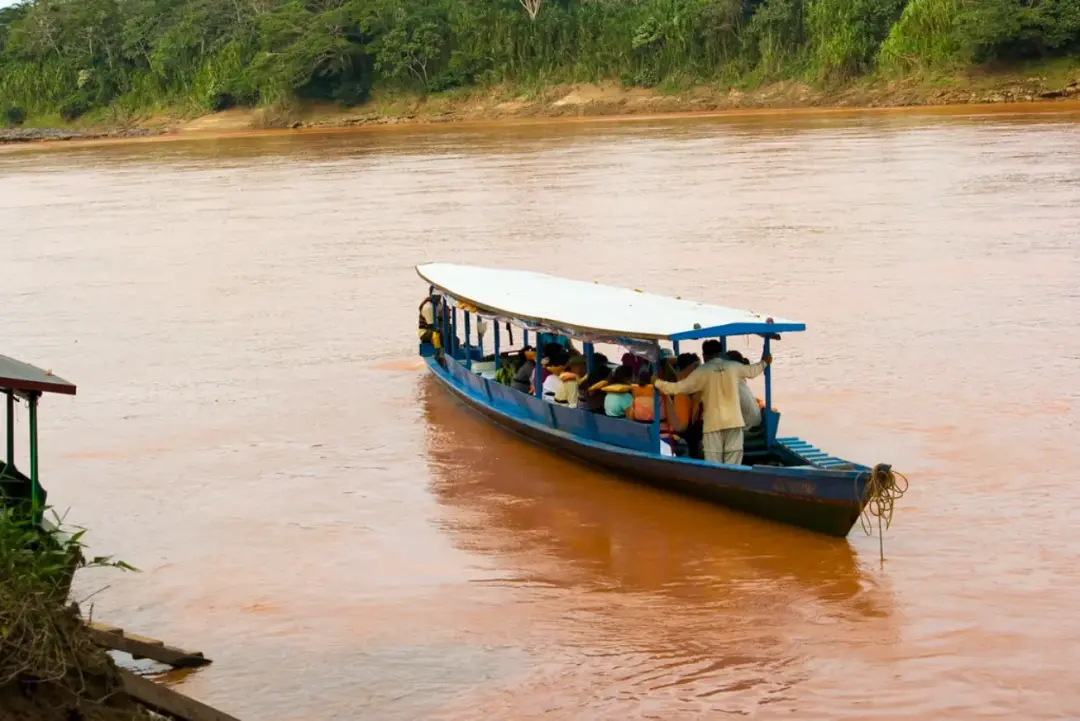
The rivers of Tambopata are among the most fascinating natural features of the Peruvian Amazon. Flowing through vast stretches of tropical rainforest in southeastern Peru, these waterways create extraordinary landscapes, support incredible wildlife, and connect some of the region’s most biodiverse ecosystems. From the impressive Tambopata River to the Madre de Dios, Malinowski, La Torre, and Heath rivers, each waterway plays an important role in the natural beauty and ecological balance of this remarkable destination.
Located in the Madre de Dios region, Tambopata is famous for its extraordinary biodiversity, tropical forests, lakes, and wildlife observation opportunities. Its rivers are not simply geographical features; they are natural highways that provide transportation, sustain communities, and create habitats for countless Amazonian species.
Whether you are interested in exploring the rainforest, observing giant river otters, discovering tropical birds, or experiencing an unforgettable boat excursion, understanding the rivers of Tambopata will help you appreciate one of the Amazon’s most spectacular environments.
1. Introduction to the Rivers of Tambopata
The rivers of Tambopata form an extensive network of waterways that crosses the southeastern Peruvian Amazon. They originate in different geographical environments, including the Andean foothills and higher elevations, before flowing through tropical forests and joining larger river systems.
The region’s hydrographic network includes the Tambopata, Madre de Dios, Malinowski, Heath, Inambari, and La Torre rivers, along with numerous smaller tributaries and streams. Together, they create freshwater environments essential for maintaining the rainforest’s ecological balance.
One of the most interesting characteristics of these waterways is their connection to different ecosystems. Higher river sections may have faster currents and rocky channels, while lower sections develop wider channels, sandy banks, islands, and meandering bends.
For travelers, these rivers also provide access to remote rainforest destinations, wildlife observation areas, and protected natural landscapes.
2. The Main Rivers of Tambopata and Madre de Dios
Tambopata River: The Heart of the Rainforest
The Tambopata River is one of the most important waterways in southeastern Peru. Its basin extends from the highlands of the Puno region toward the Amazon lowlands of Madre de Dios, where it eventually joins the Madre de Dios River near Puerto Maldonado.
The river crosses several landscapes, changing its appearance as it descends from mountainous environments into tropical rainforest. Its upper sections have stronger currents and more pronounced slopes, while its lower course features wider channels, meanders, sandy riverbanks, and forest-covered surroundings.
Location, origin, and geographical characteristics
The Tambopata River originates in the Andes and travels through different elevations before reaching the lowland rainforest. Its basin supports a remarkable variety of ecosystems, including mountain environments, foothill forests, and Amazonian floodplains.
As the river approaches Tambopata, its landscape becomes increasingly tropical. Dense vegetation grows along its banks, while nearby forests provide shelter and food for mammals, birds, reptiles, and aquatic species.
Tributaries and river connections
Several tributaries contribute water to the Tambopata River, including the Malinowski and La Torre rivers. These connections create a larger freshwater network that supports the region’s wildlife and vegetation.
The Tambopata River is also an important route for reaching rainforest destinations, including areas associated with macaw clay licks and remote wildlife observation sites.
Madre de Dios River: The Main Waterway Near Puerto Maldonado
The Madre de Dios River is another essential geographical feature of the region. It flows through southeastern Peru and passes near Puerto Maldonado, where it receives water from several important tributaries.
One of its most recognizable geographical features is its confluence with the Tambopata River. This meeting of waterways is particularly important because it connects different river basins and provides access to numerous rainforest destinations.
The confluence of the Tambopata and Madre de Dios rivers
Near Puerto Maldonado, the Tambopata River joins the Madre de Dios River, creating an important meeting point for navigation and transportation.
This area is especially interesting for visitors because boat excursions frequently depart from the city and follow the surrounding waterways toward rainforest lodges, lakes, and protected natural areas.
Importance for transportation and tourism
The Madre de Dios River has historically been an important transportation corridor for local communities. Today, it continues to support river travel, tourism, and access to different parts of the Amazon rainforest.
Malinowski River: A Waterway Surrounded by Rainforest
The Malinowski River is an important tributary of the Tambopata River. It flows through areas of tropical forest and contributes to the freshwater network of the region.
Its surroundings include rainforest vegetation, riverbanks, and habitats that support numerous wildlife species. However, some sections of its watershed have experienced pressure from human activities, particularly gold mining.
Protecting the Malinowski River is important because changes in water quality and sediment levels can affect aquatic organisms and the surrounding rainforest.
La Torre River: A Natural Corridor Through the Jungle
The La Torre River is another important tributary connected to the Tambopata river system. It crosses rainforest landscapes and contributes to the network of waterways that sustain the region’s biodiversity.
Its surrounding forests provide habitats for birds, mammals, reptiles, and other wildlife. Like many smaller Amazonian rivers, it also helps maintain connections between different forest environments.
Heath River: A River Along the Peru-Bolivia Border
The Heath River is an important waterway in southeastern Peru, forming part of the natural boundary between Peru and Bolivia.
Its surroundings include extensive rainforest landscapes and relatively remote natural environments. The river is especially important because it connects different habitats and supports freshwater biodiversity.
The Heath River is also associated with protected natural landscapes and wildlife-rich areas, making it an important component of regional conservation.
Inambari River: Connecting the Andes and Amazon Lowlands
The Inambari River connects highland environments with the tropical lowlands of Madre de Dios. Its basin crosses different elevations and supports a variety of natural landscapes.
The river is part of the larger Madre de Dios drainage system and contributes to the freshwater resources of the region.
Its watershed also illustrates the close relationship between Andean environments and Amazonian ecosystems.
Other Important Rivers and Tributaries
The wider Tambopata region contains several additional waterways, including the Palma Real, Las Piedras, Los Amigos, Azul, and smaller tributaries.
Although they differ in size and geographical location, these rivers contribute to the region’s extensive freshwater network. Their combined waters support forests, wetlands, wildlife habitats, and local communities.
3. Wildlife Found Along the Rivers of Tambopata
The rivers of Tambopata provide some of the best opportunities to experience the wildlife of the Peruvian Amazon. Their banks, surrounding forests, and aquatic habitats support an impressive variety of animals.
Mammals Living Near Amazon Rivers
One of the most remarkable mammals associated with Tambopata’s waterways is the giant river otter. These social animals live in family groups and can sometimes be observed swimming, fishing, or resting near riverbanks and lakes.
Other mammals commonly associated with river environments include capybaras, which frequently visit the water to feed and escape predators.
Monkeys may also appear in trees along riverbanks, while tapirs, peccaries, and other rainforest mammals use nearby waterways as part of their natural habitat.
Reptiles and Amphibians in River Habitats
Caimans are among the most recognizable reptiles in Amazonian aquatic environments. They inhabit rivers, lagoons, and smaller waterways, where they hunt fish and other animals.
Anacondas also inhabit wetlands and flooded forest environments, using water to move through vegetation and hunt prey.
Frogs and other amphibians are especially common in humid habitats near streams, ponds, and seasonal water pools.
Fish and Aquatic Biodiversity
Tambopata’s rivers support diverse freshwater fish populations. These aquatic species are essential components of the rainforest food chain.
Fish provide food for giant river otters, caimans, kingfishers, herons, and other predators. Some species also play an important role in spreading nutrients and maintaining the ecological balance of aquatic environments.
Birds Found Along Riverbanks
The riverbanks of Tambopata are excellent places to observe tropical birds.
Visitors may encounter macaws, parrots, toucans, kingfishers, herons, and several species of eagles and other forest birds.
Early mornings are particularly rewarding because many birds become active around the water, searching for food or moving between feeding areas.
4. River Ecosystems and Landscapes of Tambopata
Floodplain Forests and Riverbanks
Floodplain forests are among the most important ecosystems associated with Amazonian rivers. These forests experience seasonal flooding, allowing water and nutrients to influence vegetation growth and wildlife distribution.
During high-water periods, water can enter forest areas and create temporary aquatic habitats. These environments provide food and shelter for fish, amphibians, and other organisms.
Oxbow Lakes and Amazonian Lagoons
Oxbow lakes are former river channels that have become separated from the main waterway as rivers change their courses.
These lakes are important wildlife habitats in Tambopata. Some provide opportunities to observe giant river otters, monkeys, caimans, and aquatic birds.
Lakes such as Sandoval and Tres Chimbadas are examples of the spectacular aquatic environments associated with the region.
River Islands, Sandbanks, and Clay Licks
River islands and sandy banks develop as water currents transport and deposit sediments.
These environments change over time, creating new habitats for vegetation and wildlife.
Clay licks are another fascinating feature of the Amazon rainforest. Certain exposed riverbank areas attract macaws and parrots that consume mineral-rich clay as part of their natural feeding behavior.
The Importance of Freshwater Ecosystems
Freshwater ecosystems maintain the ecological balance of Tambopata. They provide drinking water, support aquatic organisms, transport nutrients, and connect different rainforest habitats.
Without healthy rivers, many of the region’s characteristic wildlife populations and forest ecosystems would be threatened.
5. Wet and Dry Seasons: How Tambopata Rivers Change
River Conditions During the Rainy Season
The rainy season generally extends from December through March, although rainfall and river conditions can vary.
During these months, increased precipitation raises water levels in many waterways. Rivers may become wider, currents can become stronger, and previously exposed riverbanks may disappear beneath the water.
Flooding also creates additional connections between rivers, lagoons, and forest habitats.
Water Levels During the Dry Season
Between approximately June and October, rainfall generally decreases and river levels tend to become lower.
As water recedes, sandy beaches and riverbanks become more visible. Some waterways become easier to navigate in certain sections, although conditions vary according to rainfall and local geography.
Seasonal Changes in Wildlife and Vegetation
Seasonal river changes influence wildlife behavior and feeding opportunities.
During flooding, aquatic animals can access areas of flooded forest, while receding waters may concentrate fish and other aquatic organisms in smaller channels and lakes.
For visitors, these seasonal differences provide distinct experiences throughout the year.
6. Exploring the Rivers of Tambopata: Activities and Experiences
Boat Tours Along the Tambopata River
Boat excursions are among the most popular ways to explore the rivers of Tambopata.
From Puerto Maldonado, visitors can travel along the Madre de Dios River and continue toward the Tambopata River, depending on their destination.
These journeys offer opportunities to enjoy rainforest scenery, observe riverbank vegetation, and discover remote areas that are difficult to access by road.
Wildlife Watching from the Water
River excursions are excellent for wildlife observation because boats can travel through different habitats while allowing visitors to observe animals from a respectful distance.
Possible sightings include capybaras, caimans, aquatic birds, monkeys, and occasionally giant river otters.
Patience is essential because wildlife sightings depend on natural behavior, weather, and seasonal conditions.
Canoeing and River Excursions
Canoeing provides a quieter way to experience certain waterways and smaller aquatic environments.
Depending on local conditions, visitors may explore calm lagoons, narrow channels, and areas surrounded by dense rainforest vegetation.
Activities should always be organized with appropriate equipment and experienced local guides.
Photography and Amazon River Sunsets
The rivers of Tambopata offer spectacular opportunities for nature photography.
Sunrise and sunset are particularly beautiful moments, when warm light reflects across the water and illuminates the surrounding rainforest.
Photographers can capture tropical birds, river landscapes, reflections, and the changing colors of the Amazonian sky.
7. Best Time to Visit the Rivers of Tambopata
The best time to explore Tambopata depends on the type of experience you want.
The drier months, generally from June to October, can offer attractive conditions for riverbank exploration and certain wildlife observation activities.
The wetter months, particularly from December to March, provide a different perspective of the rainforest, with higher water levels and flooded forest environments.
April, May, and November can also offer changing seasonal conditions.
Rather than choosing a single perfect month, visitors should consider their preferred activities, river navigation conditions, and the wildlife experiences they hope to enjoy.
8. Conservation Challenges Facing Tambopata’s Rivers
Despite their extraordinary natural beauty, the rivers of Tambopata face several environmental challenges. Protecting these waterways is essential for maintaining the region’s biodiversity and ensuring that future generations can continue enjoying its natural landscapes.
Deforestation and River Pollution
Deforestation near riverbanks can affect water quality, increase soil erosion, and destroy habitats used by wildlife.
When trees and vegetation are removed, exposed soil can enter waterways, increasing sediment levels and changing aquatic environments.
Responsible land management and forest conservation are essential for protecting these fragile ecosystems.
Mining Activities and Freshwater Ecosystems
Gold mining is one of the environmental challenges affecting parts of Madre de Dios. Inappropriate mining practices can introduce sediment and mercury into rivers, threatening aquatic organisms and potentially affecting animals and people who depend on freshwater resources.
The Malinowski River basin is particularly relevant when discussing these environmental pressures.
Reducing pollution and protecting river habitats are important priorities for the long-term health of Tambopata’s ecosystems.
Protecting River Wildlife and Biodiversity
Conservation efforts help protect the animals, plants, and freshwater habitats that depend on healthy rivers.
Maintaining natural vegetation along riverbanks, monitoring water quality, and preventing illegal activities are important steps toward preserving biodiversity.
Responsible Tourism and Conservation
Tourism can contribute positively to conservation when activities are organized responsibly.
Visitors can help protect Tambopata by:
- Choosing responsible local tourism operators.
- Avoiding littering and leaving waste near waterways.
- Observing wildlife without disturbing animals.
- Following navigation and safety instructions.
- Respecting protected areas and local communities.
- Supporting conservation-oriented tourism initiatives.
9. Practical Travel Tips for Exploring Tambopata Rivers
How to Reach the Rivers from Puerto Maldonado
Puerto Maldonado is the main access point for exploring the rivers of Tambopata.
The city is located near the confluence of the Tambopata and Madre de Dios rivers, making it an important starting point for river excursions.
Visitors can arrange boat transportation toward rainforest lodges, protected areas, lakes, and wildlife observation destinations.
Travel times depend on the destination, river conditions, boat type, and weather.
What to Bring on a River Excursion
Preparing properly can make a river adventure more comfortable and enjoyable.
Recommended items include:
- Lightweight, quick-drying clothing.
- Long-sleeved shirts and trousers.
- Comfortable footwear.
- Sunscreen and insect repellent.
- A hat or cap.
- Binoculars for wildlife observation.
- A camera with appropriate protection.
- A reusable water bottle.
- A waterproof bag for electronic equipment.
- Personal medication and essential travel documents.
Safety Tips for Boat Trips
Safety should always be a priority when exploring Amazonian waterways.
Follow your guide’s instructions, wear a life jacket when required, and avoid swimming in unfamiliar river environments.
River currents, submerged obstacles, changing water levels, and wildlife make it important to respect local safety recommendations.
Visitors should also protect themselves from tropical sun and rain by carrying suitable clothing and equipment.
Choosing Responsible River Experiences
Look for excursions that prioritize wildlife conservation, environmental education, and respect for local communities.
Experienced guides can help visitors understand the geography, ecology, and cultural importance of Tambopata’s waterways.
A responsible river experience is not only an opportunity to discover beautiful landscapes but also a chance to appreciate why these ecosystems deserve protection.
10. Frequently Asked Questions About the Rivers of Tambopata
What are the main rivers of Tambopata?
The main rivers associated with the Tambopata region include the Tambopata, Madre de Dios, Malinowski, La Torre, Heath, and Inambari rivers. Other important waterways include the Palma Real, Las Piedras, and Los Amigos rivers.
Together, they form an extensive freshwater network that supports the biodiversity and natural landscapes of southeastern Peru.
Where is the Tambopata River located?
The Tambopata River is located in southeastern Peru. It originates in the Andean region and flows through Puno and Madre de Dios before reaching the Madre de Dios River near Puerto Maldonado.
Its basin includes important rainforest ecosystems and protected natural areas.
Does the Tambopata River flow into the Madre de Dios River?
Yes. The Tambopata River eventually joins the Madre de Dios River near Puerto Maldonado. This confluence is an important geographical feature and a major connection between the two waterways.
What animals can you see along the Tambopata River?
Visitors may encounter giant river otters, capybaras, caimans, monkeys, macaws, parrots, kingfishers, and numerous other tropical birds.
Wildlife sightings depend on the season, location, weather, and natural animal behavior.
Can you explore Tambopata by boat?
Yes. Boat excursions are among the most popular ways to explore the region. Visitors can travel along the Madre de Dios and Tambopata rivers to reach rainforest lodges, protected areas, lagoons, and wildlife observation locations.
What is the best time to visit the rivers of Tambopata?
The generally drier period from June to October is attractive for visitors interested in river excursions and exploring exposed riverbanks. The rainy season, usually from December to March, offers opportunities to experience higher water levels and flooded rainforest environments.
Both seasons have unique advantages.
Are the rivers of Tambopata safe for visitors?
River excursions can be enjoyed safely when organized with experienced guides, suitable boats, and appropriate safety equipment.
Visitors should follow instructions, wear life jackets when required, and avoid entering unfamiliar waters.
What is the difference between the Tambopata River and the Madre de Dios River?
The Tambopata River is an important tributary that flows from the Andes through the Peruvian Amazon. The Madre de Dios River is a larger regional waterway that receives water from the Tambopata and several other rivers.
Both are essential to the geography, transportation, and biodiversity of the region.
Why are the rivers important to the Amazon rainforest?
Rivers provide freshwater, transport nutrients, support aquatic wildlife, and create habitats such as floodplain forests, wetlands, and lagoons.
They also connect different ecosystems, allowing animals to access food, shelter, and breeding environments.
Can you go fishing in the rivers of Tambopata?
Fishing exists in parts of the Madre de Dios region, but opportunities depend on local regulations, protected-area restrictions, and permitted activities.
Visitors should always check applicable rules and choose responsible activities that do not threaten fish populations or aquatic ecosystems.
Conclusion: Discover the Natural Wonders of the Rivers of Tambopata
The rivers of Tambopata are much more than beautiful waterways crossing the Peruvian Amazon. They are essential natural systems that sustain extraordinary biodiversity, connect different rainforest environments, and support the ecological balance of one of South America’s most fascinating regions.
From the impressive Tambopata River and the Madre de Dios River to the Malinowski, La Torre, Heath, and Inambari rivers, each waterway contributes to the region’s unique landscapes and wildlife habitats.
For travelers, these rivers offer unforgettable opportunities to explore the rainforest by boat, observe extraordinary animals, discover hidden lagoons, and experience the beauty of the Amazon from a different perspective.
Whether you are planning a wildlife adventure, a nature photography expedition, or simply hoping to discover the natural wonders of southeastern Peru, exploring Tambopata’s rivers is an incredible way to experience the living heart of the Amazon rainforest.