
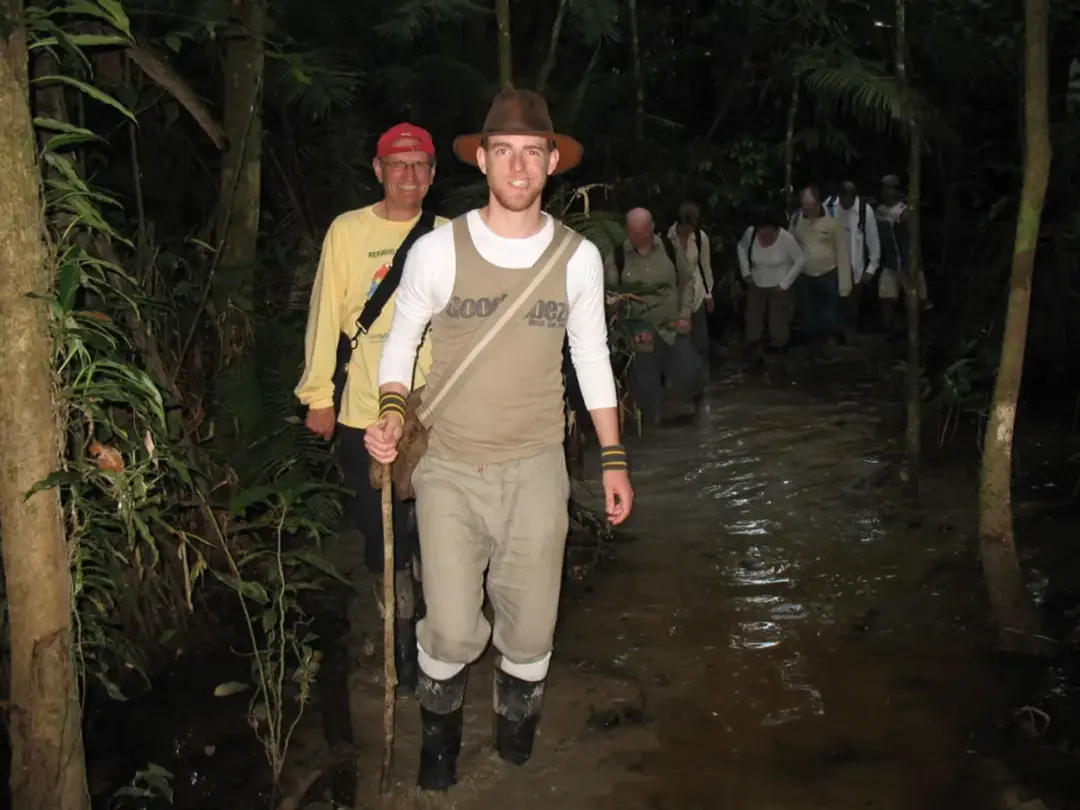
Trekking in the Peru Amazon is one of the most exciting ways to experience the natural beauty, wildlife and extraordinary biodiversity of the tropical rainforest. Walking beneath towering trees, following muddy jungle trails, listening to tropical birds and discovering plants hidden beneath dense vegetation allows travelers to explore the Amazon at a slower, more immersive pace.
Unlike hiking in mountains or open landscapes, Amazon trekking takes place in a warm, humid environment filled with dense vegetation, wildlife and natural sounds. Every trail offers opportunities to learn about rainforest ecosystems, discover medicinal plants, observe insects and encounter animals that inhabit one of the world’s most biodiverse regions.
The Peruvian Amazon offers excellent opportunities for jungle trekking, particularly around Puerto Maldonado, Tambopata and other rainforest destinations. Whether you enjoy short nature walks, guided wildlife excursions or multi-day jungle adventures, trekking in Peru provides an unforgettable experience for nature lovers and adventure travelers.
What Is Trekking in the Peruvian Amazon?
Trekking in the Peruvian Amazon involves exploring tropical rainforest environments on foot, following natural trails through forests, wetlands, riverbanks and other habitats. These walking experiences are often accompanied by local guides who explain the ecological relationships between plants, animals and the rainforest environment.
Amazon trekking is different from traditional mountain hiking. Instead of focusing on elevation, panoramic views or long-distance routes, jungle trekking emphasizes exploration, biodiversity, wildlife observation and understanding the rainforest.
Walking Through the World’s Largest Tropical Rainforest
The Peruvian Amazon contains extensive tropical forests, rivers, oxbow lakes, wetlands and ecosystems that support an enormous variety of plant and animal life.
Walking through these environments allows visitors to experience the rainforest directly. Trails often pass through dense vegetation, giant trees, palm forests, natural clearings and areas where animals leave tracks or other signs of their presence.
During a jungle walk, travelers may discover:
- Giant tropical trees and rainforest plants.
- Medicinal plants used by local communities.
- Colorful butterflies and insects.
- Birds calling from the forest canopy.
- Animal footprints and feeding marks.
- Natural habitats used by monkeys and other mammals.
The rainforest changes constantly throughout the day. Morning walks may reveal birds and monkeys becoming active, while afternoon excursions can provide opportunities to explore shaded forest trails and observe plants and insects.
What Makes Amazon Jungle Trekking Different from Mountain Hiking?
Amazon trekking is generally not about climbing mountains or reaching high elevations. Instead, it focuses on navigating natural forest environments where humidity, vegetation, uneven ground and wildlife create unique challenges.
Unlike many mountain trails, jungle paths can be muddy, slippery and covered with roots. The temperature is often warm, and the humidity can make physical activity more demanding.
Hikers should expect frequent stops to observe wildlife, learn about plants and listen to the guide’s explanations. A relatively short walk can become an educational adventure lasting several hours.
Best Places for Trekking in the Peru Amazon
The Peruvian Amazon offers several destinations where travelers can explore rainforest trails and experience the natural environment. The best destination depends on accessibility, wildlife opportunities, accommodation and the type of trekking experience desired.
Trekking in Tambopata
Tambopata is one of the most attractive destinations for jungle trekking in southern Peru. Its tropical forests contain diverse habitats, including riverine forests, palm swamps, oxbow lakes and areas of dense rainforest vegetation.
Walking trails around rainforest lodges and protected forest areas provide opportunities to explore the Amazon with experienced guides.
Visitors trekking in Tambopata may discover:
- Wildlife-rich rainforest trails.
- Giant trees and tropical plants.
- Monkey habitats.
- Birdwatching locations.
- Forest lakes and wetlands.
- Natural palm swamps.
- Insects and amphibians.
- Amazonian medicinal plants.
Tambopata is particularly attractive for travelers who want to combine trekking with wildlife observation, canoe excursions, birdwatching and other rainforest activities.
The longer travelers stay in the rainforest, the more opportunities they have to explore different trails and habitats.
Jungle Trails Around Puerto Maldonado
Puerto Maldonado is an important gateway to the southern Peruvian Amazon and offers access to rainforest areas where visitors can enjoy guided jungle walks.
Many trekking experiences begin after traveling by boat along Amazonian rivers to rainforest lodges or natural reserves.
Walking trails near Puerto Maldonado often pass through tropical forest, bamboo-like vegetation, palm trees and areas where wildlife can be observed.
Travelers can combine trekking with activities such as kayaking, wildlife photography, nocturnal walks, birdwatching and visits to natural lakes.
The region is suitable for travelers who want to experience the Amazon without undertaking extremely demanding trekking routes.
Trekking in Remote Amazon Rainforest Areas
For travelers seeking deeper rainforest experiences, remote Amazon areas provide opportunities to explore forests far from urban settlements and heavily visited locations.
These expeditions may involve longer boat journeys, overnight stays in jungle lodges and walking through less frequently visited trails.
Remote rainforest trekking can provide a stronger sense of adventure and isolation. However, these experiences usually require careful planning, experienced guides and appropriate logistical arrangements.
Visitors should consider the distance from medical services, trail conditions, weather and the physical demands of the expedition before choosing a remote trekking experience.
What Can You See While Trekking in the Amazon?
The Amazon rainforest is famous for its biodiversity. Although wildlife sightings cannot be guaranteed, trekking provides opportunities to observe animals, plants and ecological relationships that are difficult to experience from vehicles or urban environments.
Amazon Mammals and Monkeys
Monkeys are among the most exciting animals travelers may encounter during jungle trekking.
Different species inhabit various rainforest habitats, and their behavior depends on food availability, weather, season and human disturbance.
Possible sightings include capuchin monkeys, squirrel monkeys, howler monkeys and other species found in the Peruvian Amazon.
Other mammals may include agoutis, coatis, peccaries, sloths and occasionally larger animals, depending on the location and conditions.
Wildlife observation requires patience. Animals may move quietly through the forest, remain hidden behind vegetation or become active at different times of the day.
An experienced guide can recognize feeding marks, footprints, sounds and movement in the canopy that visitors might otherwise overlook.
Birds, Reptiles and Amphibians
Birdwatching is an important part of Amazon trekking. The rainforest is home to colorful birds, including toucans, parrots, macaws, woodpeckers, trogons and numerous smaller species.
Birds are often easier to detect by sound than by sight. Listening carefully and learning to recognize different calls can make jungle walks much more rewarding.
The Amazon also contains reptiles and amphibians, including frogs, lizards and snakes. These animals often remain hidden among leaves, branches, fallen logs and vegetation.
Night walks can provide additional opportunities to observe frogs, insects and nocturnal wildlife.
Plants, Insects and Rainforest Trees
The Amazon rainforest contains an enormous variety of plant species, many of which have fascinating adaptations to tropical conditions.
During trekking excursions, guides often explain the importance of trees, vines, roots, fungi and medicinal plants.
Visitors may learn about plants traditionally used by local communities, natural materials used for construction, edible fruits and the ecological role of different species.
Insects are also an essential part of rainforest biodiversity. Butterflies, ants, beetles, spiders and other invertebrates contribute to pollination, decomposition and nutrient cycling.
Understanding these small organisms helps travelers appreciate that the rainforest is not only about large animals but also about countless interconnected life forms.
What Is a Typical Amazon Jungle Trek Like?
Amazon trekking experiences vary depending on the location, season, lodge and itinerary. Most guided jungle walks are designed to allow visitors to explore the forest without requiring advanced hiking skills.
Guided Day Walks
Daytime jungle walks are among the most common activities in Amazon rainforest lodges.
These excursions generally last between one and several hours, depending on the trail and the interests of the group.
Guides lead travelers through the forest, identifying plants, insects, animal tracks, birds and other wildlife.
The pace is usually relaxed, with frequent stops for observation, photography and explanations.
Morning walks are often popular because temperatures may be more comfortable and some wildlife species are more active.
Nighttime Jungle Walks
Night walks offer a completely different perspective on the Amazon rainforest.
After sunset, many nocturnal animals become active. Guided walks may reveal frogs, insects, spiders, nocturnal birds and other creatures that are difficult to observe during daylight.
The forest sounds change dramatically at night, with insects, frogs and other animals producing continuous sounds.
Visitors should use flashlights carefully and follow the guide’s instructions to avoid disturbing wildlife or stepping on animals hidden along the trail.
Night walks can be fascinating for travelers interested in rainforest ecology and animal behavior.
Multi-Day Amazon Trekking Experiences
Multi-day jungle adventures allow travelers to explore more extensive rainforest areas and participate in several different activities.
These trips may combine trekking, boat excursions, wildlife observation, canoeing, birdwatching and visits to natural habitats.
Staying several nights in the rainforest provides more time to explore different trails and increases the opportunities to encounter wildlife.
Some itineraries include visits to lakes, wetlands, palm swamps, forest observation platforms or other natural environments.
Multi-day experiences are particularly recommended for travelers who want to understand the Amazon beyond a short excursion.
Difficulty of Trekking in the Peruvian Amazon
Amazon trekking is generally considered moderate, although difficulty depends on trail conditions, distance, humidity, temperature and the physical fitness of the traveler.
Terrain, Humidity and Physical Effort
Jungle trails are often uneven and may contain exposed roots, muddy sections, fallen branches and slippery surfaces.
During rainy periods, trails may become more difficult to navigate. Water, mud and humidity can increase the physical effort required to walk through the forest.
Unlike mountain trekking, elevation is usually not the primary challenge. The main factors are heat, humidity, uneven ground and the need to remain comfortable while walking through dense vegetation.
Travelers should take their time, drink water regularly and avoid unnecessary rushing.
Is Amazon Trekking Suitable for Beginners?
Yes. Many Amazon jungle trekking experiences are suitable for beginners and travelers without previous hiking experience.
Most guided walks are designed around the abilities of the group, and guides can adjust walking speed, route length and the number of stops.
Travelers who are comfortable walking for one or two hours on uneven ground can generally participate in many standard jungle excursions.
People with mobility limitations, significant physical restrictions or difficulty walking on slippery surfaces should communicate their needs before booking.
Best Time for Trekking in the Peru Amazon
The Peruvian Amazon has a tropical climate with warm temperatures, high humidity and rainfall throughout the year.
Trekking is possible in different seasons, but weather conditions influence trail accessibility, comfort and wildlife observation.
Rainy Season Conditions
The rainy season generally brings increased rainfall, higher river levels and wetter trails.
Rainforest trekking during this period can be more challenging because paths may become muddy and slippery.
However, rain also contributes to the lush vegetation and vibrant rainforest environment. Many plants become particularly green, and the forest maintains its characteristic tropical atmosphere.
Travelers should carry rain protection and be prepared for sudden showers.
Drier Season Conditions
The drier season generally offers periods with less rainfall and potentially more comfortable trail conditions.
Some paths may be easier to walk on, although the Amazon can still experience rain at any time of the year.
Lower river levels in certain areas may also influence access to specific locations and wildlife habitats.
There is no single perfect season for trekking because wildlife activity and environmental conditions vary throughout the year.
The best time depends on the traveler’s priorities, including wildlife observation, weather preferences, river conditions and the type of rainforest experience desired.
What to Pack for Amazon Jungle Trekking
Packing correctly is essential for a comfortable trekking experience in the rainforest.
Clothing and Footwear
Recommended clothing includes:
- Lightweight, long-sleeved shirts.
- Long pants suitable for tropical environments.
- Comfortable hiking footwear.
- Socks that help protect against insects.
- A lightweight rain jacket or poncho.
- A hat or cap.
- Extra clothing for changing conditions.
Footwear should provide good grip and support when walking on muddy or uneven trails.
Some rainforest lodges provide rubber boots for jungle excursions, which can be particularly useful during rainy periods.
Insect Protection and Personal Essentials
Travelers should consider carrying:
- Insect repellent.
- Sunscreen.
- Drinking water.
- Personal medication.
- Hand sanitizer.
- A small backpack.
- A reusable water bottle.
- A basic personal first-aid kit.
Insect protection is particularly important in tropical environments where mosquitoes and other biting insects may be present.
Photography and Hiking Equipment
Photography equipment can enhance the trekking experience, especially for travelers interested in birds, monkeys, insects and rainforest landscapes.
Recommended equipment includes:
- Camera or smartphone.
- Binoculars.
- Flashlight or headlamp for night walks.
- Extra batteries.
- Waterproof bags for electronics.
Photography should always be conducted respectfully. Visitors should avoid disturbing animals, damaging vegetation or moving wildlife to obtain better pictures.
Safety Tips for Trekking in the Amazon
Safety is an important part of every rainforest trekking experience.
The Amazon is a natural environment where wildlife, weather, insects and uneven terrain require attention.
Why You Should Trek with a Local Guide
Walking with an experienced local guide is strongly recommended.
Guides understand rainforest trails, local conditions, wildlife behavior and potential hazards.
They can identify animal tracks, recognize plants, explain the ecosystem and help travelers navigate forest environments.
Guided trekking also improves the educational experience by helping visitors understand the rainforest’s biodiversity and cultural significance.
Wildlife, Insects and Trail Safety
Travelers should avoid touching unknown plants, insects, frogs, snakes or other animals.
Wildlife should always be observed from a respectful distance.
Visitors should remain on established trails, follow the guide’s instructions and avoid wandering alone into the forest.
Walking carefully is particularly important on muddy paths, near tree roots and around fallen branches.
Weather and Hydration
The Amazon’s warm temperatures and humidity can increase the risk of dehydration and physical exhaustion.
Travelers should drink water regularly, take breaks and avoid walking too quickly.
Rain can arrive suddenly, so appropriate rain protection is recommended.
If visitors feel tired, dizzy or uncomfortable, they should inform the guide immediately.
How Many Days Do You Need for Amazon Trekking?
The ideal duration depends on how much of the rainforest travelers want to explore.
A one-day jungle excursion can provide an introduction to the Amazon, including a short walk, wildlife observation and basic rainforest explanations.
However, spending two to four days in the rainforest generally provides a more complete experience.
With several days, travelers can explore different trails, participate in daytime and nighttime walks, visit lakes, observe wildlife and experience the rainforest during different periods of the day.
For travelers interested in trekking, wildlife observation and nature photography, three or four days can provide a particularly rewarding balance between exploration and relaxation.
Longer expeditions may be suitable for travelers seeking more remote rainforest experiences and additional opportunities to discover different habitats.
Frequently Asked Questions About Trekking in the Peru Amazon
Can You Trek Through the Amazon Rainforest in Peru?
Yes. Peru offers numerous opportunities for guided trekking through tropical rainforest environments. Destinations around Puerto Maldonado and Tambopata provide jungle trails where travelers can explore biodiversity, observe wildlife and learn about rainforest ecosystems.
Is Amazon Jungle Trekking Dangerous?
Amazon trekking can be safe when conducted with experienced guides and appropriate preparation. Travelers should follow safety instructions, remain on established trails, protect themselves from insects and avoid approaching wildlife.
Weather conditions and uneven terrain require care, but many guided excursions are suitable for ordinary travelers.
Do You Need a Guide to Trek in the Amazon?
Hiring a local guide is strongly recommended. Guides understand rainforest conditions, wildlife behavior, trail navigation and environmental safety. They also help travelers identify animals and plants that might otherwise remain unnoticed.
What Is the Best Month for Jungle Trekking?
Trekking is possible throughout the year. Rainfall, river levels and trail conditions change seasonally, so the best time depends on personal preferences.
Travelers who prefer less muddy trails may favor periods with lower rainfall, while those who enjoy lush vegetation and the tropical atmosphere may appreciate the rainy season.
What Animals Can You See While Hiking?
Possible sightings include monkeys, sloths, agoutis, birds, butterflies, frogs, reptiles and numerous insects. Wildlife sightings depend on location, season, weather and animal activity.
How Difficult Are Amazon Jungle Trails?
Most guided jungle walks are moderate and suitable for beginners with reasonable mobility. Trails can be muddy, slippery and uneven, and the tropical humidity may make walking more demanding.
What Should You Wear for Amazon Trekking?
Lightweight long-sleeved clothing, long pants, comfortable footwear, socks, rain protection and insect repellent are recommended. Rubber boots may be useful on muddy trails.
How Long Should an Amazon Trek Last?
Short guided walks may last one or two hours, while longer excursions can take several hours. Multi-day Amazon trekking experiences lasting two to four days or more allow visitors to explore additional habitats and participate in different rainforest activities.
Conclusion
Trekking in the Peru Amazon is an unforgettable way to discover the extraordinary biodiversity of the tropical rainforest. Walking along natural trails, observing wildlife, learning about plants and listening to the sounds of the forest allows travelers to experience the Amazon beyond its rivers and landscapes.
From accessible jungle walks around Puerto Maldonado to deeper explorations of Tambopata, Peru offers trekking experiences suitable for different interests, fitness levels and adventure preferences.
With the right clothing, preparation and an experienced local guide, jungle trekking can become one of the most rewarding experiences of an Amazon adventure, creating lasting memories of the wildlife, landscapes and natural wonders of the Peruvian rainforest.
1. Best Trekking in the Amazon Rainforest

When it comes to trekking in the Amazon rainforest, choosing the best routes can make all the difference in your experience. Trails vary in terms of difficulty, duration, and the richness of wildlife encounters. The Amazon rainforest is home to numerous well-established trails designed for adventurers of all skill levels. Whether you prefer a leisurely stroll or a challenging hike, the options are plentiful.
For beginners and nature enthusiasts, the EcoTrail to the Tambopata Research Center is an excellent choice. This iconic 25-kilometer hike takes you through an abundance of ecosystems, showcasing the vibrant flora and fauna unique to this majestic region. Along the way, you may spot various bird species, monkeys, and even the elusive jaguar if you’re lucky! 🦜🛶
2. Discovering Hidden Gems: Lesser-Known Trails
While popular paths offer a wealth of wildlife and breathtaking scenery, some hidden gems await those willing to venture off the beaten path. Trails like the Alternative Inca Trail provide a fantastic mix of cultural history and stunning views, pushing adventurous trekkers to explore further and engage deeply with the environment. Along this 30-kilometer journey, trekkers will navigate through ancient ruins and picturesque landscapes that reveal rich tales of the past.
Moreover, venturing into less-trodden paths allows for a more intimate experience with the rainforest. Solitude and tranquility make for unforgettable moments when you encounter beautiful wildlife, serene waterways, and the sounds of the jungle echoing around you. The Amazon rainforest is alive with energy, and experiencing this natural beauty away from the crowds is truly a once-in-a-lifetime opportunity. 🏞️✨
3. Amazon Rainforest Hiking Tours: Guided Adventures
For those new to trekking or seeking a deeper understanding of the Amazon, hiking tours led by knowledgeable guides can elevate your journey significantly. These guided adventures offer a wealth of local insights that enrich your experience and deepen your connection with the vibrant environment around you. With their expertise in flora and fauna, guides can point out unique species and share fascinating stories that highlight the ecological significance of the rainforest.
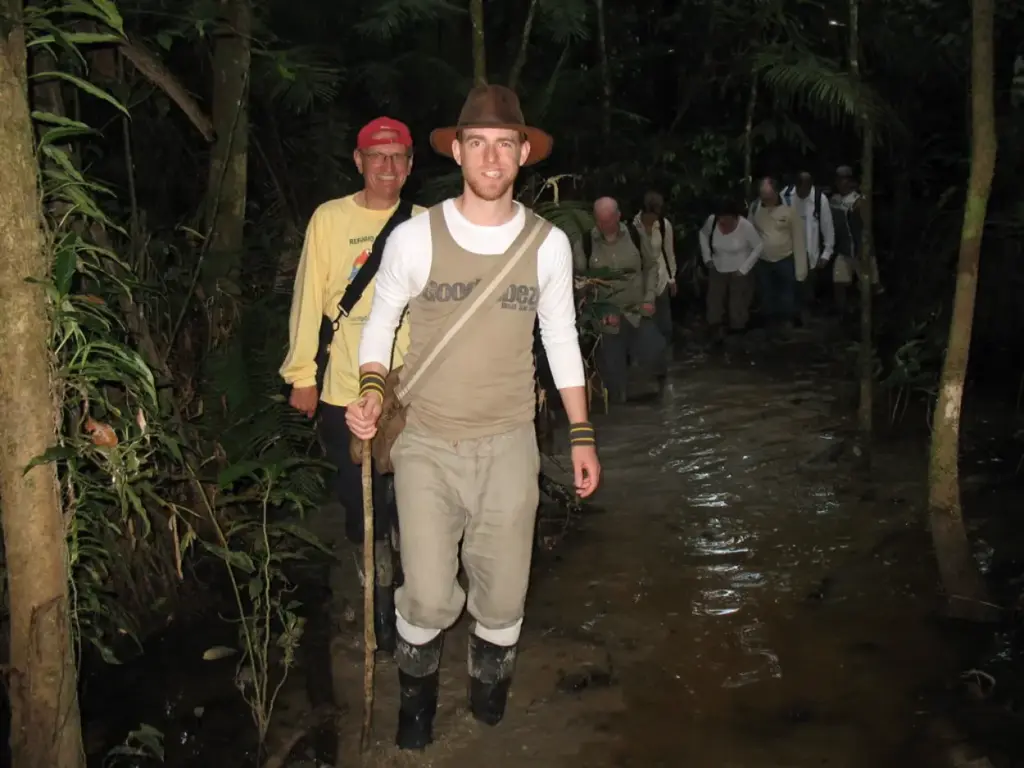
Many hiking tour providers offer all-inclusive packages that combine trekking with wildlife observation and cultural experiences. From spotting rare bird species to visiting indigenous communities, these guided tours provide an immersive experience that allows participants to see the Amazon through a local lens. Additionally, group settings foster camaraderie and shared experiences, making the trek not just a journey through the rainforest, but also a social adventure! 🌳🤝
4. Support for Sustainable Tourism
Participating in guided hiking tours also supports sustainable tourism in the Amazon. Many local operators are committed to preserving the delicate ecosystem and promoting responsible practices. By choosing to trek with these eco-conscious providers, you contribute to the conservation of the rainforest and support local communities dependent on tourism for their livelihoods.
In addition, guided tours often include opportunities to learn about sustainable farming, traditional crafts, and native Amazonian cultures. This multi-dimensional experience fosters a deeper appreciation for the Amazon and the significance of preserving its natural beauty for future generations. 🌍❤️
5. Preparing for Your Trek: Essential Tips
Preparation is vital to ensuring a successful trekking experience in the Amazon rainforest. Choosing the right gear is one of the most important aspects of preparing for your journey. A sturdy pair of trekking boots is crucial to provide the support you require while navigating uneven and sometimes slippery terrain. Lightweight, moisture-wicking clothing will keep you comfortable in the humid climate, while a waterproof jacket ensures you stay dry during sudden rain showers. 🌦️
Other essential items include a first-aid kit, refillable water bottles, and reliable navigation tools such as maps or GPS devices. A well-structured backpack is vital for distributing weight evenly, ensuring a more comfortable experience while you traverse the trails. Remember, adequate preparation pays off when exploring the wilds of the Amazon! 🔦🎒
An Unforgettable Adventure Awaits
Trekking in the Amazon rainforest is not just an adventure; it’s a profound connection with one of the planet’s most stunning natural environments. From diverse ecosystems to engaging with indigenous cultures, each trekking route offers unique opportunities for discovery and understanding. Embarking on this journey allows you to witness the Amazon’s ecological richness and experience the tapestry of life that thrives within.
Whether you choose well-known trails or hidden gems, hiking through the Amazon will leave you with lasting memories and stories to tell for years to come. So, lace up your boots and get ready for an incredible exploration of this magical rainforest—a wonderland waiting for you to discover! 🌏💚