
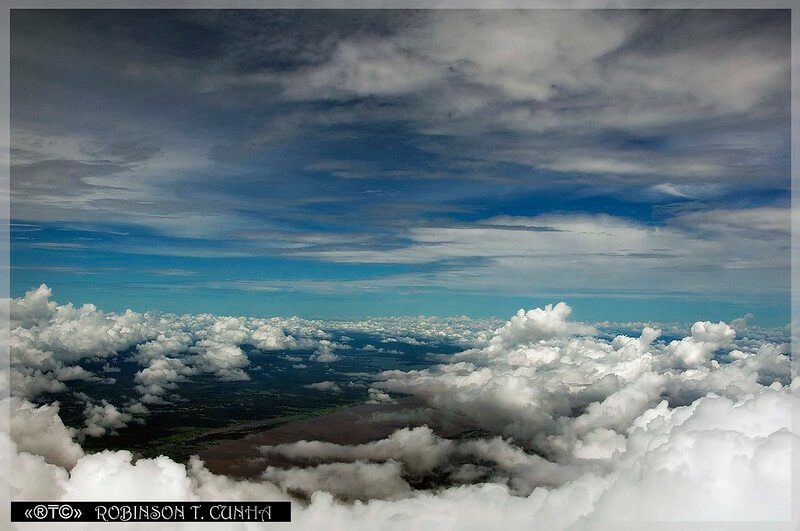
The Amazon rainforest is one of the most extraordinary natural environments on Earth, covering an enormous area of tropical South America. Famous for its remarkable biodiversity, extensive river systems, and lush vegetation, this immense tropical forest plays an essential role in the natural environment of the continent. However, many people still wonder: where is the Amazon rainforest, which countries does it cover, and how can visitors explore its different regions?
The Amazon rainforest is located in northern South America, primarily within the Amazon River Basin. It extends across several countries, including Brazil, Peru, Colombia, Bolivia, Ecuador, Venezuela, Guyana, Suriname, and French Guiana. Brazil contains the largest portion, while Peru is home to an extensive and biologically diverse section of the Amazon.
Understanding the geographical location of the Amazon rainforest helps explain its incredible size, diverse ecosystems, and environmental importance. From the remote northern forests to the southern Peruvian jungle, each region has distinctive landscapes, wildlife, and cultural traditions.
In this guide, you will discover exactly where the Amazon rainforest is located, which countries share its territory, its geographical characteristics, and the most important regions to understand when exploring this extraordinary natural destination.
Where Is the Amazon Rainforest Located?
The Amazon rainforest is located in South America, primarily in the northern and central parts of the continent. It occupies much of the Amazon River Basin, an extensive geographical region containing numerous rivers, tropical forests, wetlands, and floodplains.
Table of Contents
The forest stretches across different national territories, making it an international ecosystem rather than a natural area belonging to just one country.
Brazil contains most of the Amazon rainforest, followed by Peru and other neighboring countries. Its geographical distribution creates an enormous continuous network of tropical habitats that supports thousands of plant and animal species.
The Amazon Rainforest Is in South America
South America is home to the largest tropical rainforest on Earth. The Amazon extends across the northern portion of the continent, covering extensive areas of Brazil, Peru, Colombia, and several neighboring countries.
Its geographical location is particularly important because it connects different natural environments, including tropical lowlands, river valleys, wetlands, and forested foothills.
The Amazon is surrounded by several significant geographical features. The Andes Mountains rise along its western boundary, while the Atlantic Ocean lies to the east. Northern and southern sections extend into different tropical and subtropical landscapes.
This geographical position creates favorable conditions for tropical vegetation, abundant rainfall, and extraordinary biodiversity.
Its Location Near the Equator
Another important characteristic of the Amazon rainforest is its proximity to the equator.
The equator crosses northern South America, passing through parts of the Amazon region. This location gives the rainforest a predominantly tropical climate characterized by warm temperatures, high humidity, and substantial rainfall.
Because the region receives sunlight throughout the year, temperatures generally remain warm with relatively limited seasonal variation.
However, rainfall patterns differ depending on geographical location. Some areas experience particularly wet periods, while others have more noticeable seasonal changes.
The combination of tropical temperatures, moisture, and extensive river systems creates ideal conditions for dense forest growth.
The Amazon Rainforest and the Amazon River Basin
The Amazon rainforest and the Amazon River Basin are closely connected, but they are not exactly the same geographical feature.
The Amazon River Basin is the extensive drainage area where water flows toward the Amazon River and its tributaries. It includes forests, wetlands, rivers, agricultural landscapes, and other environments.
The Amazon rainforest refers specifically to the tropical forest ecosystem occupying much of this basin.
This distinction is important because the Amazon Basin covers a larger geographical area than the forest itself.
The Amazon River is the principal waterway, receiving water from numerous tributaries that flow through different parts of South America.
Together, these geographical systems create one of the world’s most extensive freshwater and tropical forest environments.
Which Countries Have the Amazon Rainforest?
The Amazon rainforest extends across nine political territories in South America. These include Brazil, Peru, Colombia, Bolivia, Ecuador, Venezuela, Guyana, Suriname, and French Guiana.
Each country contains different portions of the Amazon ecosystem, with distinctive landscapes, wildlife habitats, and conservation areas.
Understanding these countries helps travelers and geography enthusiasts identify the different regions of the rainforest.
Brazil
Brazil contains the largest portion of the Amazon rainforest, making it the most geographically extensive Amazon country.
The Brazilian Amazon includes vast areas of tropical vegetation, enormous river networks, wetlands, and remote forest communities.
Important geographical destinations include Manaus, the Rio Negro, and extensive protected forest territories.
The region is particularly important for its biodiversity, freshwater resources, and environmental influence.
Because of its enormous size, the Brazilian Amazon contains several different ecosystems and landscapes.
Peru
Peru contains the second-largest national share of the Amazon rainforest and offers some of the most diverse rainforest environments in South America.
The Peruvian Amazon occupies much of the eastern part of the country, extending from the eastern slopes of the Andes into extensive tropical lowlands.
Important Amazonian departments include Loreto, Madre de Dios, Ucayali, Amazonas, and San Martín.
Several well-known natural destinations are located in this region, including Manu National Park, Tambopata National Reserve, and Pacaya Samiria National Reserve.
Peru’s Amazon is especially interesting because it combines lowland rainforest, mountain foothills, winding rivers, and exceptional wildlife habitats.
Colombia
The Colombian Amazon occupies the southern portion of Colombia and connects with the Amazon territories of Brazil and Peru.
This region contains extensive tropical forests, river systems, and Indigenous territories.
The city of Leticia is one of its principal urban gateways and is located near the borders of Brazil and Peru.
Colombia’s Amazon is recognized for its ecological diversity and its importance in maintaining connections between different forest ecosystems.
Bolivia
The Bolivian Amazon occupies northern and northeastern areas of the country.
It includes tropical forests, wetlands, rivers, and seasonally flooded landscapes.
Departments such as Pando and parts of Beni and La Paz contain important Amazonian ecosystems.
The region supports diverse wildlife and extensive natural habitats, contributing to the biological richness of the greater Amazon region.
Ecuador
The Ecuadorian Amazon is located east of the Andes Mountains.
Known locally as the Oriente, this region includes extensive tropical forests, rivers, and protected natural areas.
Important destinations include Yasuní National Park and the Cuyabeno Wildlife Reserve.
Although Ecuador contains a smaller portion of the Amazon rainforest compared with Brazil and Peru, its tropical forests are exceptionally rich in biodiversity.
Venezuela
The Venezuelan Amazon is located primarily in the southern part of the country, especially within Amazonas State and neighboring territories.
It includes tropical forests, river systems, mountains, and remote natural landscapes.
The region forms part of the northern Amazonian ecosystem and supports important wildlife habitats and Indigenous communities.
Guyana, Suriname, and French Guiana
The Amazonian region also extends into Guyana, Suriname, and French Guiana.
These territories contain extensive tropical forests, freshwater systems, and relatively remote natural landscapes.
Although their Amazonian forest areas are smaller than those of Brazil and Peru, they contribute significantly to the ecological connectivity of northern South America.
Together, these nine territories form the international geographical region associated with the Amazon rainforest.
How Large Is the Amazon Rainforest?
The Amazon rainforest covers approximately 5.5 million square kilometers, although estimates vary depending on how forest boundaries and vegetation types are defined.
Its immense size makes it the largest tropical rainforest on Earth.
To understand its scale, it is helpful to consider the extensive network of rivers, forest landscapes, wetlands, and ecological regions that make up the Amazon.
The Size of the Amazon Rainforest
The Amazon rainforest stretches across millions of square kilometers, covering a substantial portion of northern South America.
Its territory is so extensive that different regions experience variations in rainfall, vegetation, wildlife, and geographical conditions.
The Brazilian Amazon represents the largest national portion, while Peru, Colombia, and Bolivia contain other significant forest areas.
Its enormous dimensions also mean that the Amazon cannot be understood as a single uniform landscape. Instead, it consists of many interconnected ecosystems.
The Amazon Basin and Its Geographical Boundaries
The Amazon Basin covers approximately 7 million square kilometers, making it one of the world’s largest drainage basins.
Its western boundary is associated with the Andes Mountains, where numerous rivers originate before flowing eastward.
The northern and southern boundaries extend across different geographical regions of the continent, while the eastern drainage system eventually reaches the Atlantic Ocean.
This vast basin collects water from thousands of smaller rivers and streams, supporting extensive tropical forest environments.
How the Rainforest Compares With Other Forests
The Amazon is larger than any other tropical rainforest in the world.
Its extensive vegetation, river networks, and wildlife habitats make it one of the most important natural ecosystems on the planet.
Unlike smaller tropical forests, the Amazon stretches across several national territories and contains an extraordinary variety of environmental conditions.
Its size also contributes to its ecological importance by providing habitats for countless species and supporting extensive freshwater systems.
Where Is the Amazon Rainforest Located in Peru?
Peru is one of the most important countries within the Amazon rainforest region. Its eastern territory contains extensive tropical forests, large rivers, protected natural areas, and remarkable wildlife habitats.
The Peruvian Amazon begins near the eastern slopes of the Andes Mountains and extends toward the lowland forests bordering Brazil, Colombia, and other neighboring territories.
Travelers visiting Peru can experience several distinct Amazonian destinations, each offering different landscapes and opportunities for exploring tropical nature.
The Peruvian Amazon Region
The Peruvian Amazon covers a substantial part of the country’s eastern territory.
It includes several departments, particularly Loreto, Madre de Dios, Ucayali, Amazonas, and San Martín.
These regions contain extensive forests, freshwater ecosystems, and Indigenous communities with longstanding connections to the natural environment.
The Peruvian Amazon is particularly recognized for its biodiversity and the variety of ecosystems found between the Andes foothills and the lowland rainforest.
Iquitos and the Northern Amazon
Iquitos is one of the principal gateways to the northern Peruvian Amazon.
Located in the Loreto region, the city is surrounded by major rivers and extensive tropical forest landscapes.
It is an important starting point for exploring the Amazon River, nearby communities, and protected natural areas.
The surrounding environment includes flooded forests, river islands, wetlands, and diverse wildlife habitats.
Because of its geographical position, Iquitos provides access to some of the most extensive lowland rainforest environments in Peru.
Puerto Maldonado and the Southern Amazon
Puerto Maldonado is an important gateway to the southern Peruvian Amazon, particularly the Madre de Dios region.
The city is surrounded by tropical forests, rivers, oxbow lakes, and protected conservation territories.
Its geographical location makes it an excellent starting point for exploring the Tambopata region and nearby rainforest environments.
Visitors can discover tropical wildlife habitats, observe birds and monkeys, and explore forest ecosystems through guided excursions.
The surrounding region is particularly well known for its biodiversity and extensive conservation areas.
Manu National Park and Tambopata
Manu National Park and Tambopata National Reserve are two important protected areas in the Peruvian Amazon.
Manu National Park extends from Andean mountain environments into lowland tropical forests, creating a remarkable variety of habitats.
Tambopata National Reserve, located in Madre de Dios, protects extensive rainforest ecosystems and important wildlife habitats.
Both destinations demonstrate the ecological diversity of Peru’s Amazon region.
They also provide opportunities to understand the relationships between rivers, tropical vegetation, wildlife, and conservation.
The Andes Mountains and the Peruvian Amazon
The Andes Mountains play an essential role in the geography of the Peruvian Amazon.
Along the eastern slopes of the Andes, mountain streams and rivers descend toward the Amazon lowlands.
This transition creates different ecological environments, including cloud forests, foothill forests, and tropical lowland rainforests.
The variation in elevation, temperature, and rainfall contributes to the extraordinary biodiversity found throughout eastern Peru.
What Are the Main Geographical Features of the Amazon Rainforest?
The Amazon rainforest contains several distinctive geographical features that contribute to its ecological complexity.
These include enormous rivers, tropical lowlands, flooded forests, wetlands, and extensive vegetation.
Together, they form a connected natural system that supports diverse wildlife and plant communities.
The Amazon River and Its Tributaries
The Amazon River is the most important waterway in the region.
It flows across northern South America and receives water from numerous tributaries, including the Negro, Madeira, Tapajós, Xingu, and Ucayali river systems.
These waterways connect distant rainforest environments and support freshwater habitats.
They also provide transportation routes for many communities living throughout the Amazon region.
Tropical Lowlands and Floodplains
Much of the Amazon consists of relatively low-lying terrain.
These landscapes include extensive floodplains that experience seasonal changes in water levels.
During periods of increased rainfall, rivers overflow and flood surrounding forests, creating important aquatic and terrestrial habitats.
These seasonal flooding patterns influence vegetation, wildlife movements, and local ecosystems.
Mountains and Forest Landscapes
Although much of the Amazon consists of lowland forest, its western boundary connects with the Andes Mountains.
This geographical transition creates a variety of environments, from mountainous cloud forests to tropical foothills and extensive lowland jungle.
These differences in elevation and climate contribute to the remarkable diversity of the greater Amazon region.
The Amazon Canopy and Vegetation
The Amazon rainforest is characterized by dense vegetation and multiple layers of forest growth.
The canopy forms a relatively continuous cover of tree crowns, while the understory contains smaller plants, shrubs, and young trees.
The forest floor supports fungi, insects, decomposing vegetation, and many other organisms.
This complex vegetation structure provides food, shelter, and breeding habitats for countless species.
What Is the Climate Like in the Amazon Rainforest?
The Amazon rainforest has a predominantly tropical climate, characterized by warm temperatures, high humidity, and substantial rainfall.
Its location near the equator contributes to relatively stable temperatures throughout the year.
However, rainfall patterns and seasonal conditions vary between different parts of the Amazon Basin.
Tropical Weather and Humidity
Most Amazonian regions experience warm temperatures throughout the year.
Humidity is generally high because of frequent rainfall, dense vegetation, and extensive river systems.
These conditions support continuous plant growth and create suitable environments for tropical wildlife.
Rainfall and Seasonal Changes
Rainfall is one of the defining characteristics of the Amazon climate.
Some areas receive substantial precipitation throughout the year, while others experience more noticeable differences between wet and dry periods.
These seasonal changes influence river levels, forest flooding, and the availability of food for wildlife.
Wet and Dry Seasons
The Amazon does not have identical seasonal patterns across all countries.
In many regions, the wet season brings increased rainfall and rising river levels, while the drier season generally produces lower water levels.
These changes affect transportation, wildlife observation, and access to different forest environments.
Understanding local seasonal conditions is useful when planning a visit to the Amazon rainforest.
Why Is the Amazon Rainforest Geographically Important?
The Amazon rainforest is important because of its extraordinary biodiversity, extensive freshwater systems, and influence on regional environmental processes.
Its enormous forest territory supports countless species while providing essential natural resources for communities throughout South America.
Biodiversity and Wildlife Habitats
The Amazon contains one of the richest concentrations of biodiversity on Earth.
Its forests and waterways provide habitats for jaguars, giant river otters, pink river dolphins, monkeys, macaws, toucans, reptiles, amphibians, and countless insect species.
Different geographical conditions create specialized habitats that allow species to survive in flooded forests, riverbanks, wetlands, and dense tropical vegetation.
Water Systems and the Amazon River Basin
The Amazon River Basin contains an extensive freshwater network.
Its rivers transport water, nutrients, and sediments across enormous distances.
These systems support aquatic wildlife, maintain forest ecosystems, and provide essential resources for communities.
The Amazon’s freshwater environments are among the most important ecological features of South America.
Indigenous Communities and Local Cultures
The Amazon rainforest is also home to numerous Indigenous peoples and local communities.
These populations have developed extensive knowledge of the forest, including traditional practices related to plants, fishing, agriculture, and river transportation.
Their cultural traditions and knowledge contribute to the understanding and conservation of Amazonian ecosystems.
Global Environmental Importance
The Amazon plays an important role in regional climate regulation, the global water cycle, and carbon storage.
Its vegetation absorbs carbon dioxide through photosynthesis, while its forests release water vapor into the atmosphere.
These processes contribute to environmental conditions across South America and beyond.
Protecting the Amazon is therefore important for biodiversity, freshwater resources, and long-term environmental stability.
Frequently Asked Questions About the Location of the Amazon Rainforest
Is the Amazon rainforest in Brazil or Peru?
The Amazon rainforest is located in both Brazil and Peru, as well as seven other South American territories. Brazil contains the largest portion, while Peru has the second-largest national share.
How many countries contain the Amazon rainforest?
The Amazon rainforest extends across nine territories: Brazil, Peru, Colombia, Bolivia, Ecuador, Venezuela, Guyana, Suriname, and French Guiana.
What continent is the Amazon rainforest located in?
The Amazon rainforest is located in South America, primarily in the northern and central parts of the continent.
Which country has the largest Amazon rainforest area?
Brazil contains the largest portion of the Amazon rainforest, accounting for approximately 60 percent of the forest.
Is the Amazon rainforest near the Andes Mountains?
Yes. The Andes Mountains form the western geographical boundary of the Amazon Basin. Rivers originating in the Andes flow eastward into the Amazon lowlands.
Where is the Amazon rainforest located in relation to the equator?
The Amazon rainforest is located around the equatorial region of South America. Its proximity to the equator contributes to its warm temperatures, high humidity, and tropical climate.
Is the Amazon rainforest the same as the Amazon River Basin?
No. The Amazon River Basin is the larger drainage area containing rivers, forests, wetlands, and other landscapes. The Amazon rainforest is the tropical forest ecosystem occupying much of this basin.
Can you visit the Amazon rainforest in Peru?
Yes. Peru offers several destinations for exploring the Amazon rainforest, including Puerto Maldonado, Tambopata National Reserve, Manu National Park, and Iquitos. Each destination provides different opportunities to experience tropical forests, rivers, and wildlife.
Conclusion: Discover Where the Amazon Rainforest Is Located
The Amazon rainforest is located in South America and extends across nine territories, making it one of the world’s most extensive and geographically important natural ecosystems.
Although Brazil contains the largest portion, Peru, Colombia, Bolivia, Ecuador, Venezuela, Guyana, Suriname, and French Guiana also contribute to this extraordinary tropical region.
Its geographical characteristics include the Amazon River Basin, extensive tropical lowlands, seasonal floodplains, and connections with the Andes Mountains. Together, these features create exceptional conditions for biodiversity and freshwater ecosystems.
For travelers interested in experiencing the Amazon, Peru offers particularly remarkable opportunities. Destinations such as Iquitos, Puerto Maldonado, Manu National Park, and Tambopata National Reserve provide access to different rainforest landscapes and wildlife habitats.
Understanding where the Amazon rainforest is located is the first step toward appreciating its ecological importance, geographical diversity, and extraordinary natural beauty.