
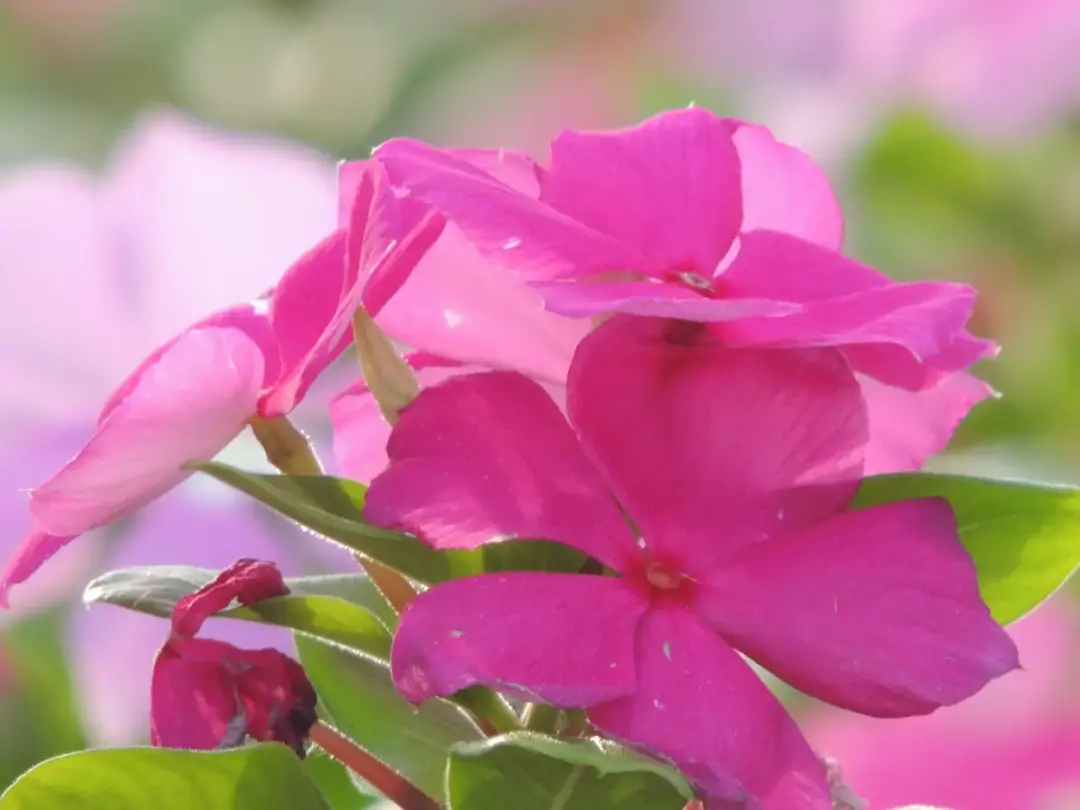
The Peruvian Amazon is one of the world’s richest tropical ecosystems, home to thousands of plant species, many of which have played an important role in traditional healthcare for generations. From enormous rainforest trees and climbing vines to small medicinal herbs, the region contains an extraordinary diversity of botanical resources used by indigenous communities for traditional remedies, personal care, nutrition, and cultural practices.
Medicinal plants of the Peruvian Amazon are particularly important because they represent a connection between biodiversity and ancestral knowledge. Communities throughout Loreto, Ucayali, Madre de Dios, and other Amazonian regions have developed detailed knowledge of local vegetation, including which plant parts are traditionally collected, how they are prepared, and when they are used.
Leaves, roots, bark, seeds, fruits, resins, and natural latex are among the plant materials used in traditional preparations. Some species are associated with digestive complaints, skin conditions, respiratory discomfort, and general wellness, while others have ceremonial or spiritual significance.
Although modern scientific research has investigated several Amazonian plants, traditional use should not automatically be interpreted as proof of medical effectiveness. Nevertheless, these botanical resources remain valuable subjects for ethnobotanical research, biodiversity conservation, and understanding indigenous healthcare traditions.
Traditional Medicine and Indigenous Plant Knowledge in Peru
Traditional Amazonian medicine is based on generations of observations, experiences, and knowledge about the natural environment. Indigenous communities have developed distinct systems of understanding health, illness, and the relationship between people and the rainforest.
Indigenous communities and ancestral healing traditions
The Shipibo-Konibo, Asháninka, Huni Kuin, Cashinahua, and Shawi communities are among the peoples whose traditional knowledge includes the identification and use of medicinal plants.
Each community maintains its own botanical vocabulary, preparation techniques, and cultural interpretations of plant properties. These traditions are not identical, and the same plant may have different names or applications depending on the community.
For example, ethnobotanical research among Huni Kuin communities in the Peruvian Amazon documented 467 plant taxa associated with traditional medicinal knowledge. Another investigation among Asháninka communities documented 169 wild medicinal plant species, demonstrating the considerable botanical knowledge maintained in different parts of the rainforest.
The role of traditional healers
Traditional healers play an important role in preserving knowledge about medicinal plants. Their experience often includes recognizing species in different forest environments, identifying useful plant parts, understanding seasonal availability, and preparing traditional remedies.
This knowledge is commonly transmitted through observation, family instruction, practical experience, and community traditions.
How medicinal plant knowledge is transmitted
Children and younger generations may learn about useful plants through activities such as collecting leaves, visiting family gardens, walking through the forest, and observing traditional preparations.
The transmission of this knowledge is especially important because many medicinal plants grow in specific habitats and can be difficult to identify without practical experience.
15 Important Medicinal Plants of the Peruvian Amazon
The following species illustrate the botanical diversity and cultural importance of Amazonian medicinal plants. Their traditional applications vary between communities, and not every reported use has been clinically demonstrated.
1. Cat’s Claw (Uncaria tomentosa)
Cat’s claw, commonly known as uña de gato, is one of the best-known medicinal vines associated with the Peruvian Amazon. It is a climbing woody plant characterized by curved, claw-like structures near its leaf bases, which help it attach to surrounding vegetation.
Its inner bark and roots have traditionally been used in herbal preparations. Cat’s claw has attracted scientific interest because it contains several groups of plant compounds, including alkaloids and polyphenols.
Research has investigated its chemical composition and potential biological activities. However, evidence supporting specific medical treatments remains limited, and traditional preparations should not replace professional medical care.
2. Sangre de Grado (Croton lechleri)
Sangre de grado is a tropical rainforest tree famous for its deep red latex, which appears when the bark is cut. The name means blood of the dragon, referring to the distinctive color of its natural sap.
This latex has traditionally been collected and used in external preparations, particularly in connection with minor skin injuries and traditional wound care.
The plant contains several chemical compounds, including proanthocyanidins and other polyphenolic substances. Scientific investigations have examined its properties and possible applications in skin-related research.
The red latex is one of the most recognizable botanical products associated with traditional Amazonian medicine.
3. Chuchuhuasi (Maytenus macrocarpa)
Chuchuhuasi is a large Amazonian tree whose bark is traditionally valued in several rainforest communities. Its name is associated with preparations used in traditional practices for physical discomfort and general wellness.
The bark is commonly described in traditional knowledge as an important ingredient in preparations involving prolonged soaking or extraction.
Researchers have investigated its botanical and chemical characteristics, although evidence for many traditional medicinal applications remains insufficient.
Because preparation methods and concentrations can differ considerably, its traditional use should not be interpreted as a standardized or proven treatment.
4. Matico (Piper aduncum)
Matico is a shrub or small tree belonging to the pepper family. It grows in tropical environments and is recognized by its aromatic leaves and elongated flower spikes.
Its leaves have traditionally been used in external preparations, including washes and other applications associated with skin care.
Matico contains aromatic and other naturally occurring plant compounds that have attracted botanical and phytochemical research.
Correct identification is important because several different plants may be called matico in different regions of Peru.
5. Ajo Sacha (Mansoa alliacea)
Ajo sacha is a climbing plant with a distinctive garlic-like smell when its leaves are crushed. It belongs to the trumpet vine family and grows in tropical rainforest environments.
The plant is recognized for its compound leaves and purple or violet flowers. Different parts, particularly leaves and stems, are associated with traditional preparations.
In Amazonian communities, ajo sacha has been used in traditional practices involving external applications and general wellness.
Its characteristic aroma makes it relatively recognizable among the rainforest’s many climbing plants.
6. Ayahuasca (Banisteriopsis caapi)
Ayahuasca is a woody climbing vine with significant cultural and ceremonial importance in several Amazonian communities.
The plant is particularly associated with traditional ceremonial preparations and indigenous spiritual practices. Its importance extends beyond botanical medicine into cultural knowledge, traditional healing systems, and community identity.
The vine contains naturally occurring beta-carboline alkaloids. Preparations involving ayahuasca can have powerful psychoactive effects, particularly when combined with other plants containing additional psychoactive compounds.
It is not an ordinary herbal tea or a general wellness supplement. Its use involves important medical, psychological, and legal considerations.
7. Jergón Sacha (Dracontium species)
Jergón sacha is a name used for certain large tropical plants belonging to the arum family. These plants are known for their distinctive underground structures and unusual flowering formations.
Some species have leaves with patterns that resemble the markings of certain snakes, contributing to their local names and traditional associations.
Different Amazonian communities have reported traditional applications involving particular plant parts. However, species identification is essential because plants within this group may contain irritating or toxic compounds.
Traditional knowledge about jergón sacha should therefore be documented carefully rather than treated as a general recommendation for medicinal use.
8. Copaiba (Copaifera species)
Copaiba refers to several tropical trees that produce an aromatic oleoresin within their trunks. This natural material is traditionally collected and used in different Amazonian preparations.
Copaiba resin has a distinctive fragrance and contains various terpenes and other chemical compounds.
Traditional applications include external preparations and other forms of plant-based care. Scientific research has investigated its chemical composition and potential biological activities.
Sustainable collection is particularly important because inappropriate extraction can damage trees and reduce their long-term productivity.
9. Guayusa (Ilex guayusa)
Guayusa is an evergreen Amazonian tree whose leaves have traditionally been prepared as a stimulating beverage in some Amazonian cultures.
The leaves naturally contain caffeine and other plant compounds. Traditional consumption is associated with daily routines, social activities, and cultural practices.
Unlike many plants primarily associated with medicinal preparations, guayusa also has an important nutritional and cultural role.
Its traditional use demonstrates that Amazonian medicinal knowledge frequently overlaps with food plants, beverages, and everyday botanical resources.
10. Camu Camu (Myrciaria dubia)
Camu camu is a small Amazonian tree or shrub that produces round fruits, typically reddish or purple when mature.
It grows naturally in flooded environments and river margins, particularly in parts of the western Amazon basin.
The fruit is especially recognized for its high vitamin C content. It is consumed in juices, drinks, and other traditional food preparations.
Although camu camu is often included in discussions of Amazonian medicinal plants, its best-established nutritional characteristic is its vitamin C content rather than a clinically proven treatment for particular diseases.
11. Sacha Inchi (Plukenetia volubilis)
Sacha inchi is a climbing plant recognized by its distinctive star-shaped fruits containing edible seeds.
The seeds are traditionally consumed and are valued for their oil content, including essential fatty acids.
This plant is particularly important because it connects Amazonian botanical knowledge with traditional food systems and nutritional practices.
Its cultivation has also become relevant to agricultural activities and the development of forest-compatible products.
12. Piñón Blanco (Jatropha curcas)
Jatropha curcas is a tropical shrub or small tree found in several warm regions, including parts of tropical America.
The plant produces characteristic three-part fruits containing seeds with significant oil content.
Although it appears in discussions of traditional plant knowledge, it requires particular caution. Its seeds and other plant parts can contain toxic substances, and ingestion can cause serious adverse effects.
It should never be treated as a safe homemade medicinal remedy.
13. Mucura (Petiveria alliacea)
Mucura is an aromatic herb or small shrub found throughout tropical America, including the Amazon region.
Its leaves and roots have traditionally been used in different indigenous and rural healthcare practices.
The plant is recognizable by its elongated leaves and small flowers. When crushed, its vegetation releases a strong characteristic smell.
Ethnobotanical records associate mucura with several traditional applications, although its chemical composition and potential adverse effects require consideration before any medicinal use.
14. Abuta (Abuta grandifolia)
Abuta is a woody climbing plant found in tropical rainforest environments. It belongs to a botanical group that includes several species traditionally used by Amazonian communities.
Its stems, leaves, and other plant parts have been recorded in indigenous medicinal knowledge.
Abuta is particularly interesting from an ethnobotanical perspective because its traditional uses vary across different communities and regions.
Botanical identification is essential, as related species may have different chemical compositions and safety profiles.
15. Piri-Piri (Cyperus species)
Piri-piri is a common name applied to certain sedges and other plants in traditional Amazonian knowledge.
The name can refer to different botanical species depending on the community and local language. This makes scientific identification especially important when documenting medicinal applications.
Certain piri-piri plants are associated with cultural practices, traditional preparations, and indigenous knowledge concerning plant-based healthcare.
Their importance illustrates how Amazonian medicine includes small herbaceous plants in addition to the better-known trees and climbing vines.
What Parts of Amazonian Plants Are Used in Traditional Medicine?
Different parts of medicinal plants have distinct characteristics and traditional applications.
Leaves are among the most frequently collected materials. They are commonly prepared as infusions, washes, and external applications.
Bark is another important resource, particularly from trees traditionally valued for their chemical constituents. It may be used in preparations involving soaking or boiling.
Roots and underground structures are collected from selected plants and are associated with traditional decoctions and other preparations.
Fruits and seeds are especially important when medicinal knowledge overlaps with nutrition. Camu camu and sacha inchi are examples of plants with significant nutritional value.
Other species produce natural latex, resin, oils, or aromatic substances that are traditionally collected for specific purposes.
The collection of roots and bark can be particularly damaging to wild plants, making sustainable harvesting essential.
How Are Medicinal Plants Prepared in the Peruvian Amazon?
Traditional preparation methods vary depending on the species, plant part, community, and intended application.
Herbal infusions
Infusions generally involve placing plant material, particularly leaves, in hot water. This preparation method is commonly associated with traditional herbal beverages.
Decoctions
Decoctions involve boiling selected plant materials, such as bark or roots, in water. This method is traditionally used for harder botanical materials.
Poultices and external applications
Some leaves and other plant materials are traditionally prepared for external use. These preparations may involve crushing or processing the plant before application.
Plant extracts, oils and resins
Certain rainforest trees produce aromatic resins and latex that have traditionally been collected for specific preparations.
These substances can have different chemical characteristics, so they should not be assumed to be interchangeable or universally safe.
Traditional herbal baths
Herbal baths and washes are part of traditional Amazonian healthcare practices. Selected leaves and aromatic plants may be incorporated into preparations associated with personal care and cultural traditions.
Importantly, these descriptions explain traditional practices rather than provide instructions for treating illnesses.
What Are Medicinal Plants Traditionally Used For?
Traditional medicinal plants are associated with several categories of health-related practices.
Digestive complaints
Some Amazonian plants have traditionally been used in preparations associated with stomach discomfort, intestinal complaints, and digestive health.
Ethnobotanical investigations among Shawi communities, for example, documented several plants associated with diarrhea and abdominal colic.
Skin conditions and external wounds
Leaves, latex, and other plant materials are frequently represented in traditional external applications.
Matico and sangre de grado are examples of plants associated with traditional skin-care practices.
Respiratory complaints
Certain aromatic leaves and other botanical materials are used in traditional practices associated with respiratory discomfort.
Muscle and joint discomfort
Some tree barks and other plant materials are associated with traditional preparations for physical discomfort and general body care.
Chuchuhuasi is particularly well known in this context.
Traditional women’s healthcare
Indigenous medicinal knowledge also includes plants associated with pregnancy, childbirth, and women’s healthcare.
These applications require particular caution because traditional preparations may have risks during pregnancy and breastfeeding.
Scientific Research on Amazonian Medicinal Plants
Modern scientific investigations have increased interest in the botanical and chemical properties of Amazonian plants.
Researchers examine plant extracts to identify naturally occurring substances such as alkaloids, flavonoids, tannins, terpenes, and other bioactive compounds.
These substances may influence biological processes and provide opportunities for further pharmacological research.
Cat’s claw, sangre de grado, copaiba, and other Amazonian species have received attention in laboratory studies.
However, there is an important difference between identifying a chemical compound, demonstrating an effect in laboratory experiments, and proving that a preparation is safe and effective in humans.
Clinical studies are necessary to establish appropriate uses, dosages, interactions, and potential risks.
Traditional knowledge provides valuable information for scientific investigation, but it should not be confused with clinical evidence.
Where Do Medicinal Plants Grow in the Peruvian Amazon?
The Peruvian Amazon contains several ecological environments that support different medicinal plant species.
Loreto
Loreto contains extensive lowland rainforest, river systems, wetlands, and seasonally flooded forests. These environments support numerous medicinal trees, shrubs, herbs, and climbing plants.
Ucayali
The Ucayali region contains important areas of indigenous botanical knowledge. Research among Huni Kuin communities has documented a particularly diverse collection of medicinal plant species.
Madre de Dios
Madre de Dios, in southern Peru, contains extraordinary rainforest biodiversity. Traditional botanical knowledge remains important in communities around river systems and forest landscapes.
Floodplain and terra firme forests
Some medicinal plants grow in seasonally flooded forests, while others prefer higher ground that remains relatively dry throughout the year.
Understanding these habitat differences helps explain why certain species are more common in particular locations.
Conservation of Medicinal Plants and Indigenous Knowledge
The future of medicinal plants in the Peruvian Amazon depends on protecting both rainforest ecosystems and the communities that maintain traditional botanical knowledge.
Deforestation, agricultural expansion, forest degradation, and unsustainable harvesting can reduce the availability of important plant species.
Sustainable collection methods, community gardens, botanical documentation, and environmental education can help protect medicinal plant resources.
It is equally important to recognize indigenous communities as custodians of valuable knowledge. Traditional information should be documented with appropriate consent and respect for cultural ownership.
Research and commercial development involving traditional knowledge should respect community rights and applicable access and benefit-sharing requirements.
Safety Considerations When Using Amazon Medicinal Plants
Natural does not automatically mean safe. Some rainforest plants contain powerful chemical compounds that may cause adverse reactions, poisoning, or interactions with medications.
Correct botanical identification is essential because common names may refer to several different species.
Some plants are toxic when ingested, while others may be unsuitable during pregnancy, breastfeeding, or certain medical conditions.
Plant extracts and homemade preparations can also vary considerably in concentration and composition.
People should consult qualified healthcare professionals before using medicinal plants for health conditions, particularly when taking prescription medications or managing chronic illnesses.
Traditional remedies should not replace necessary medical diagnosis or treatment.
Frequently Asked Questions About Medicinal Plants of the Peruvian Amazon
What are the most important medicinal plants of the Peruvian Amazon?
Some well-known examples include cat’s claw, sangre de grado, chuchuhuasi, matico, ajo sacha, ayahuasca, copaiba, mucura, and jergón sacha. Their traditional applications and cultural importance vary between Amazonian communities.
What is the most famous medicinal plant in the Amazon rainforest?
Sangre de grado and cat’s claw are among the best-known medicinal plants associated with the Peruvian Amazon. Sangre de grado is recognized for its red latex, while cat’s claw is a distinctive climbing vine traditionally valued for its bark and roots.
How many medicinal plants are found in the Peruvian Amazon?
There is no single definitive number because different communities, regions, and research projects document different species. One ethnobotanical investigation among Huni Kuin herbalists recorded 467 plant taxa associated with traditional medicinal knowledge.
What is sangre de grado traditionally used for?
Sangre de grado is traditionally associated with external applications, particularly preparations for minor skin injuries and traditional wound care. Its red latex has also attracted scientific interest because of its chemical composition.
What is cat’s claw used for in traditional Amazonian medicine?
Cat’s claw has traditionally been used in herbal preparations made from its bark and roots. It contains naturally occurring alkaloids and other compounds that have been investigated in scientific research, although evidence for specific medical treatments remains limited.
How do indigenous communities prepare medicinal plants?
Traditional preparation methods include infusions, decoctions, external applications, plant extracts, and herbal baths. The method depends on the species, plant part, and cultural practices of each community.
Are Amazon medicinal plants scientifically proven to work?
Some Amazonian plants have been investigated through laboratory and pharmacological studies. However, scientific evidence varies considerably between species. Traditional use, laboratory findings, and proven clinical effectiveness are different levels of evidence.
Can Amazon medicinal plants be dangerous?
Yes. Certain plants contain toxic compounds or may interact with medications. Incorrect identification, unsuitable preparation, and inappropriate consumption can also cause serious health problems.
Where can medicinal plants be found in Peru?
Medicinal plants grow throughout the Peruvian Amazon, including Loreto, Ucayali, and Madre de Dios. Their distribution depends on habitat conditions, soil, water availability, and local ecological characteristics.
Why is indigenous medicinal plant knowledge important?
Indigenous botanical knowledge contributes to cultural identity, traditional healthcare, biodiversity conservation, and scientific research. Preserving this knowledge also helps protect the relationship between Amazonian communities and their natural environment.
Conclusion: The Importance of Medicinal Plants in the Peruvian Amazon
Medicinal plants of the Peruvian Amazon represent an extraordinary connection between rainforest biodiversity, traditional healthcare, and indigenous cultural heritage. From the red latex of sangre de grado and the climbing stems of cat’s claw to the aromatic leaves of matico and the distinctive vines used in traditional ceremonies, these plants demonstrate the remarkable diversity of Amazonian botanical resources.
Their importance extends beyond traditional remedies. They provide opportunities for ethnobotanical research, scientific investigation, sustainable agriculture, and conservation.
Protecting these resources requires preserving natural habitats while recognizing the knowledge and rights of indigenous communities. By understanding the plants, their traditional applications, and their ecological importance, we can better appreciate one of the most valuable natural and cultural treasures of the Peruvian Amazon.