
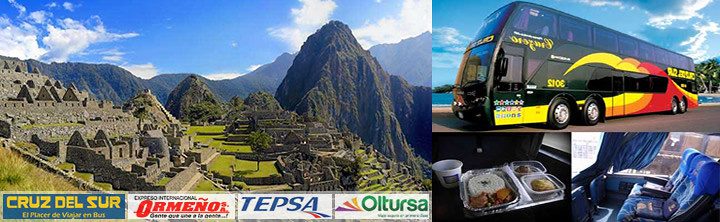
Traveling from Lima to Cusco is one of the most popular journeys for visitors exploring Peru. Lima, the country’s capital, is located along the Pacific coast, while Cusco is situated high in the Andes Mountains and is famous for its archaeological sites, traditional culture, and connection to the ancient Inca civilization.
For most international travelers, Lima is the first destination when arriving in Peru. From there, the next important step is reaching Cusco, the starting point for many unforgettable experiences, including Machu Picchu, the Sacred Valley, and several spectacular mountain landscapes.
There are two main ways to travel between these cities: flying or taking a long-distance bus. Flying is the fastest and most convenient option, while traveling by bus offers an opportunity to experience more of Peru’s landscapes and visit destinations along the southern coast and Andean highlands.
Understanding the distance, transportation options, travel times, and altitude differences will help you organize a comfortable journey. This guide explains everything you need to know about traveling from Lima to Cusco, including practical advice for choosing the best transportation and preparing for your arrival.
Where Are Lima and Cusco Located in Peru?
Lima and Cusco are two important destinations with very different geographical characteristics. Although they are connected by regular transportation services, the journey involves traveling from the Pacific coastline into the high mountains of the Andes.
Table of Contents
Lima: Peru’s Capital on the Pacific Coast
Lima is the largest city in Peru and the country’s main international transportation gateway. Located along the Pacific Ocean, it combines historic architecture, modern neighborhoods, museums, traditional markets, and a well-known culinary culture.
Most international visitors arrive at Lima’s international airport before continuing their journey to other Peruvian destinations.
Popular places to explore in Lima include its historic center, coastal districts, archaeological museums, traditional neighborhoods, and oceanfront parks.
The city is also an important transportation hub, with domestic flights and long-distance bus connections serving destinations throughout the country.
Cusco: The Historic Capital of the Inca Empire
Cusco is located in southeastern Peru, surrounded by the Andes Mountains at approximately 3,399 meters (11,152 feet) above sea level.
It was once the political and cultural center of the Inca Empire. Today, the city is recognized for its archaeological remains, impressive stone architecture, colonial buildings, traditional markets, and vibrant Andean culture.
Cusco is also the principal starting point for exploring the Sacred Valley and visiting Machu Picchu.
Travelers commonly spend several days in the region to discover archaeological attractions, mountain landscapes, traditional villages, and ancient Inca settlements.
Distance Between Lima and Cusco
The distance between Lima and Cusco depends on the transportation method.
By air, the cities are approximately 583 kilometers (362 miles) apart. By road, the distance is approximately 1,100 kilometers (684 miles), although it varies according to the route.
The difference between these distances explains why flying is considerably faster than traveling by bus.
The road journey crosses different geographical regions, including desert landscapes, valleys, mountain passes, and the Andean highlands. visitacusco.gercetur.com.pe+1
How to Get from Lima to Cusco
There are several transportation possibilities for reaching Cusco from Lima. Your best choice depends on your available time, travel budget, comfort preferences, and overall itinerary.
Traveling by Plane
Flying is generally the best option for travelers who want to reach Cusco quickly.
Direct flights connect Lima’s main airport with Cusco’s domestic airport. The journey usually takes approximately 1 hour and 15 minutes to 1 hour and 30 minutes.
Flights operate regularly throughout the year, although departure schedules and availability depend on the travel date.
Air transportation is particularly convenient for visitors with limited vacation time or travelers who have already arranged activities such as the Inca Trail, Sacred Valley excursions, or Machu Picchu visits.
Traveling by Bus
Taking a bus is another possibility for reaching Cusco.
The journey usually takes approximately 20 to 26 hours, depending on the route, road conditions, and transportation company.
Some services travel through Nazca and Abancay, while others follow a longer route through Arequipa.
Although the journey takes considerably longer, bus transportation may be suitable for travelers with flexible schedules who want to explore several destinations along the way.
Driving Between Lima and Cusco
Traveling by private vehicle is possible, but it requires careful planning and experience with mountain roads.
The journey involves long driving hours, changing elevations, winding roads, and sections where weather conditions can affect transportation.
Drivers should plan overnight stops rather than attempting to complete the entire journey without sufficient rest.
Travelers unfamiliar with Peruvian mountain roads may find organized transportation more convenient.
Which Transportation Option Is Best?
For most visitors, flying is the most practical alternative because it saves considerable time.
A bus journey can be worthwhile when the transportation itself forms part of a longer itinerary through southern Peru.
Consider your available vacation days, budget, and comfort requirements before choosing.
Flights from Lima to Cusco
Flying between Lima and Cusco is the most popular transportation option for international visitors.
The short flight allows travelers to move from the Pacific coast to the Andes in approximately 90 minutes, making it possible to arrive in Cusco and begin exploring the region within the same day.
Flight Duration and Airport Information
Flights depart from Lima’s main international airport and arrive at Alejandro Velasco Astete Airport in Cusco.
The average direct flight duration is approximately 1 hour and 20 minutes, although schedules and actual flight times can vary.
Cusco’s airport is relatively close to the historic center, making transportation to hotels and accommodations straightforward.
Travelers should allow additional time for airport arrival, check-in, security procedures, baggage collection, and ground transportation.
The total journey from a hotel in Lima to accommodation in Cusco will naturally be longer than the time spent flying.
Direct Flights and Airline Schedules
Direct flights operate between Lima and Cusco throughout the year.
Travelers can generally find several departure options during the day, although the number of available flights changes according to demand and season.
Morning departures are often convenient because they allow visitors to reach Cusco earlier and settle into their accommodation.
When choosing a departure time, consider your international arrival schedule and the possibility of delays.
If you are arriving in Lima from another country, leaving sufficient time between international and domestic flights is particularly important.
Flight Prices and Booking Advice
Flight prices depend on several factors, including the travel season, demand, baggage allowance, departure time, and how far in advance tickets are purchased.
During busy travel periods, seats may become more expensive, especially when major holidays and popular tourism dates approach.
To manage transportation expenses, consider the following recommendations:
- Compare different departure times.
- Reserve flights once your travel dates are confirmed.
- Check baggage restrictions before purchasing.
- Review ticket conditions and cancellation policies.
- Consider the cost of airport transfers.
- Avoid tight connections between international and domestic flights.
Booking early can provide more choices, particularly when traveling during the busiest months.
Airport Transfers and Arrival in Cusco
After landing in Cusco, travelers can arrange transportation to their hotel using a private vehicle, taxi, or previously organized transfer.
The airport is relatively close to the historic center, so reaching most central accommodations does not require a long journey.
However, the first day should be planned carefully because Cusco’s elevation can affect visitors who have just arrived from sea level.
It is generally advisable to avoid strenuous activities immediately after landing.
Traveling by Bus from Lima to Cusco
Traveling by bus offers a different experience from flying. Instead of reaching the Andes in approximately 90 minutes, passengers spend much of a day and night crossing different regions of Peru.
This option is particularly interesting for people who enjoy overland travel and have enough time to explore the country at a slower pace.
How Long Does the Bus Journey Take?
The bus journey from Lima to Cusco generally takes between 20 and 26 hours.
The exact duration depends on the road route, departure schedule, weather, traffic, and road conditions.
One common route passes through Nazca and Abancay before continuing toward Cusco. Another option travels through Arequipa, which generally takes longer.
Travelers should check the estimated arrival time before purchasing their tickets, particularly when connecting with other transportation services or scheduled excursions.
Bus Comfort and Available Services
Long-distance buses in Peru offer different levels of comfort.
Depending on the service, passengers may find reclining seats, air conditioning, onboard bathrooms, entertainment, and luggage storage.
For a journey lasting more than 20 hours, choosing a comfortable seat is important.
A reclining seat can make overnight travel easier, although passengers should still prepare for a long journey.
It is also advisable to carry water, snacks, warm clothing, personal medication, and essential travel documents.
Bus Tickets and Departure Terminals
Long-distance buses depart from designated terminals or company-operated departure stations in Lima.
The arrival location in Cusco depends on the transportation service selected.
Before traveling, confirm the departure address, boarding time, luggage allowance, and arrival terminal.
Arriving early is recommended because passengers may need to complete luggage registration and boarding procedures.
During high-demand periods, purchasing tickets in advance can help avoid limited availability.
What to Expect Along the Road
The road between Lima and Cusco crosses some of the most geographically diverse areas of Peru.
Depending on the route, travelers may experience coastal desert landscapes, agricultural valleys, high mountain passes, and traditional Andean settlements.
The scenery changes considerably as the road moves away from the Pacific coast and climbs toward the Andes.
However, the journey includes winding roads and long stretches of mountain driving.
During the rainy season, heavy rainfall, landslides, and temporary road interruptions can affect transportation. Travelers should check road conditions before departure and allow flexibility in their schedules.
Best Time to Travel from Lima to Cusco
Lima and Cusco have different climates because of their geographical locations and elevations.
Lima has a coastal desert climate, while Cusco experiences a high-altitude Andean climate with distinct rainy and dry seasons.
Understanding these differences can help travelers prepare for changing temperatures and weather conditions.
Dry Season
The dry season in Cusco generally extends from April through October.
During these months, rainfall is less frequent, and many days have clear skies.
This period is particularly popular for sightseeing, hiking, mountain excursions, and visiting archaeological attractions.
June, July, and August are especially busy because of favorable weather and increased international tourism.
Travelers planning popular activities should reserve accommodation and transportation in advance.
Rainy Season
The rainy season generally extends from November through March.
Rainfall becomes more frequent, particularly during the afternoon and evening.
Although some travelers prefer the dry season, the rainy months also offer beautiful green landscapes and fewer visitors at certain attractions.
However, mountain excursions and road journeys may be affected by heavy rain.
Travelers should bring waterproof clothing, suitable footwear, and flexible itineraries.
Weather Differences Between Lima and Cusco
One important detail when traveling from Lima to Cusco is the temperature difference.
Lima is generally milder along the coast, while Cusco can experience cold mornings and evenings because of its elevation.
Even during sunny days, temperatures can drop considerably after sunset.
It is advisable to pack clothing suitable for both warm daytime conditions and colder mountain weather.
Altitude Differences Between Lima and Cusco
Altitude is one of the most important considerations when traveling from Lima to Cusco.
The journey involves moving from near sea level to approximately 3,399 meters above sea level in a relatively short period.
This sudden elevation change can affect people who are not accustomed to high-altitude environments.
Cusco’s Elevation
Cusco is located in the Andes at approximately 3,399 meters above sea level.
At this elevation, the air contains less available oxygen compared with locations near sea level.
As a result, visitors may notice that walking uphill, climbing stairs, or participating in physical activities requires more effort.
Even travelers who are physically fit can experience discomfort during their first days.
Altitude Sickness and Symptoms
Altitude sickness can occur when the body has not had enough time to adjust to reduced oxygen availability.
Common symptoms include:
- Headaches.
- Dizziness.
- Nausea.
- Fatigue.
- Loss of appetite.
- Difficulty sleeping.
- Shortness of breath during physical activity.
Symptoms vary between individuals, and some travelers experience no problems at all.
Severe symptoms, such as difficulty breathing at rest, confusion, or problems with coordination, require immediate medical attention.
Travelers with existing medical conditions should consult a healthcare professional before visiting high-altitude destinations.
Tips for Acclimatizing After Arrival
Allowing time for acclimatization can make the beginning of your trip more comfortable.
Consider these recommendations:
- Rest during your first few hours in Cusco.
- Avoid intense physical activity on arrival day.
- Drink sufficient water.
- Eat light meals if you experience digestive discomfort.
- Avoid excessive alcohol consumption.
- Spend time adjusting before attempting demanding mountain excursions.
- Consider staying in a lower-elevation area of the Sacred Valley if appropriate for your itinerary.
Remember that altitude sickness is not always preventable, and descending to a lower elevation is important if symptoms become severe or worsen.
What to Do After Arriving in Cusco
Once you have completed the journey from Lima to Cusco, an exciting range of cultural, historical, and natural attractions awaits.
Cusco is much more than a transportation gateway to Machu Picchu. The surrounding region offers archaeological sites, traditional villages, mountain landscapes, and opportunities to learn about Andean culture.
Explore the Historic Center
The historic center is an excellent place to begin discovering Cusco.
Visitors can explore traditional streets, historic buildings, archaeological remains, churches, museums, and local markets.
The main square is an important meeting point surrounded by historic architecture and restaurants.
Walking through the city provides an opportunity to appreciate the combination of Inca stonework and colonial influences.
Visit the Sacred Valley
The Sacred Valley is one of the most important destinations near Cusco.
It includes beautiful mountain scenery, traditional agricultural communities, archaeological sites, and villages connected to the history of the Inca civilization.
Popular places include Pisac, Urubamba, Ollantaytambo, and Chinchero.
Many visitors organize day excursions or spend one or more nights in the valley before continuing to Machu Picchu.
Plan Your Machu Picchu Visit
Machu Picchu is one of the most important archaeological destinations in South America.
The ancient Inca citadel is located in a mountainous area surrounded by tropical vegetation and dramatic landscapes.
Travelers generally reach the archaeological site through a combination of road and train transportation or by participating in an organized trekking route.
Because visitor access is regulated, planning tickets, transportation, and entrance schedules in advance is important.
Extend Your Trip to the Peruvian Amazon
Travelers with additional time can continue their journey toward the Peruvian Amazon.
Puerto Maldonado, located in the southeastern region of Peru, is an important gateway to the Tambopata rainforest.
This destination offers a completely different experience from the Andean highlands.
Visitors can explore tropical rivers, lakes, rainforest trails, wildlife observation areas, and protected natural environments.
Popular activities include searching for monkeys, giant otters, caimans, macaws, and other Amazonian wildlife with experienced local guides.
Combining Cusco and the Amazon is an excellent way to experience two of Peru’s most remarkable geographical regions during one vacation.
Practical Travel Tips for the Lima to Cusco Journey
Preparing before departure can help you avoid unnecessary complications and make your journey more comfortable.
What to Pack
Because the climate changes between Lima and Cusco, packing versatile clothing is recommended.
Consider bringing:
- Comfortable walking shoes.
- Warm clothing for cold mornings and evenings.
- Lightweight shirts for sunny days.
- Waterproof jacket or rain poncho.
- Sunscreen and sunglasses.
- Personal medication.
- Reusable water bottle.
- Small backpack for daily excursions.
- Travel documents and identification.
- Portable phone charger.
If you plan to visit mountain attractions, bring additional warm clothing because temperatures can be considerably lower at higher elevations.
Money and Travel Expenses
The total cost of traveling from Lima to Cusco depends on your transportation choice, accommodation, meals, and planned activities.
Flying is generally more expensive than taking a bus, but it saves considerable time.
Other expenses to consider include:
- Airport transportation.
- Hotel accommodation.
- Meals and drinks.
- Guided excursions.
- Entrance tickets.
- Local transportation.
- Travel insurance.
It is advisable to maintain some cash for small purchases, markets, local transportation, and rural destinations.
Booking Transportation in Advance
Planning transportation ahead of time is particularly important during Peru’s busiest tourism months.
Flights, bus tickets, and accommodation can become more expensive or difficult to find when demand increases.
If your itinerary includes Machu Picchu or trekking activities with limited entrance availability, organize these arrangements before arriving in Cusco.
Also, consider leaving some flexibility in your itinerary in case weather conditions or transportation disruptions affect your schedule.
Connecting International and Domestic Flights
Many international travelers arrive in Lima before continuing to Cusco.
If you have separate international and domestic reservations, allow sufficient time between flights.
International arrivals may involve immigration procedures, baggage collection, customs, and airport transfers.
Avoid booking a domestic departure too close to your international arrival.
If your international flight arrives late, spending a night in Lima before continuing to Cusco may be a more comfortable alternative.
4. Frequently Asked Questions About Lima to Cusco
1. How far is Lima from Cusco?
Lima and Cusco are approximately 583 kilometers (362 miles) apart by air. The road distance is approximately 1,100 kilometers (684 miles), depending on the route.
2. How long does it take to fly from Lima to Cusco?
A direct flight generally takes between 1 hour and 15 minutes and 1 hour and 30 minutes. Additional time is necessary for airport procedures and transportation to your accommodation.
3. Is flying better than taking a bus from Lima to Cusco?
Flying is generally the best option for travelers with limited time because it takes approximately 90 minutes. Traveling by bus takes around 20 to 26 hours but can be suitable for visitors who want to explore Peru overland.
4. How much does transportation from Lima to Cusco cost?
Prices vary according to travel dates, demand, transportation type, baggage allowance, and booking conditions. Flights generally cost more than buses, so comparing different departure dates can help you find a suitable option.
5. Is there a train from Lima to Cusco?
There is no direct regular passenger train connecting Lima and Cusco. Travelers generally choose flights or long-distance buses to reach the city.
6. Can I travel directly from Lima to Machu Picchu?
There is no direct flight or train from Lima to Machu Picchu. Travelers usually fly or take a bus to Cusco, continue toward the Sacred Valley or Ollantaytambo, and then take a train or follow an organized trekking route to reach the archaeological site.
7. How high is Cusco compared with Lima?
Cusco is approximately 3,399 meters (11,152 feet) above sea level, while Lima is located near sea level. This significant difference can cause altitude-related symptoms in travelers arriving directly from the coast.
8. How many days should I spend in Cusco?
Spending three to five days in the Cusco region is a good starting point for many visitors. This allows time to explore the historic center, acclimatize, visit the Sacred Valley, and organize a trip to Machu Picchu. Travelers interested in trekking and additional archaeological sites may benefit from staying longer.
9. What is the best month to travel from Lima to Cusco?
April through October generally offers drier weather in Cusco and is popular for outdoor activities. However, the best month depends on your interests, travel schedule, and tolerance for rainy weather.
10. Should I travel to Cusco immediately after arriving in Lima?
You can travel directly from Lima to Cusco, but it is important to consider the altitude. Some visitors prefer spending a night in Lima before flying, while others travel directly and rest after arriving in Cusco. If you experience altitude symptoms, avoid strenuous activities and seek medical advice when necessary.
11. Is the Lima to Cusco bus journey safe?
Traveling with a reputable, properly licensed transportation service and following safety recommendations can help reduce risks. Check road conditions, especially during the rainy season, and avoid unofficial transportation services.
12. Can I visit the Amazon rainforest after Cusco?
Yes. Puerto Maldonado is an excellent destination for travelers interested in exploring the Peruvian Amazon. From Cusco, visitors can take a domestic flight or travel overland to Puerto Maldonado and organize excursions to Tambopata National Reserve, Sandoval Lake, and other rainforest attractions.
Conclusion: Planning Your Journey from Lima to Cusco
Traveling from Lima to Cusco is an essential part of many Peru travel itineraries. Whether you choose to fly or travel by bus, both transportation options connect two destinations with very different landscapes, climates, and cultural experiences.
For most visitors, flying is the fastest and most convenient way to reach Cusco, allowing more time to explore the historic city, the Sacred Valley, and Machu Picchu. Bus transportation is an alternative for travelers who have more time and want to experience the country’s diverse geography along the way.
One of the most important aspects of planning this journey is preparing for Cusco’s high altitude. Allowing sufficient time to acclimatize before undertaking demanding excursions can make your experience more comfortable.
After discovering the Andes and the ancient Inca heritage, consider extending your Peruvian adventure toward the Amazon rainforest. Combining Cusco, Machu Picchu, and Tambopata offers an opportunity to experience the extraordinary cultural and natural diversity of Peru.
With good preparation, appropriate transportation, and a well-organized itinerary, the journey from Lima to Cusco can become the beginning of an unforgettable Peruvian adventure.