
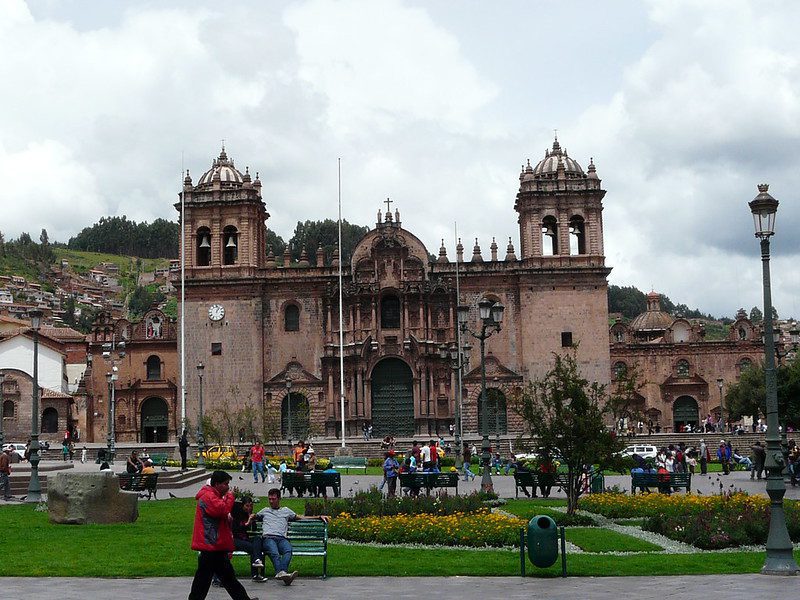
High in the Andes, at more than 3,300 meters above sea level, sits a city where every street tells a story. Cusco: the timeless heart of Peru is not just a catchy phrase but a fair description of a place where ancient stone walls support colonial balconies, where Quechua is still spoken in the markets, and where the rhythms of the past remain part of daily life. For centuries, this city was the center of the largest empire in pre-Columbian America. Today it is the gateway for travelers heading to Machu Picchu and the Sacred Valley, yet it deserves far more than a quick stopover.
This guide covers everything you need to plan a meaningful visit: the history of the Inca capital, the best places to see, local traditions, food, altitude advice, the ideal season to travel, and a practical itinerary. Whether you are visiting for the first time or returning for a deeper look, you will find the information you need to make the most of the journey.
The History of Cusco: Capital of the Inca Empire
Origins and Legend of the City’s Founding
According to Andean tradition, Cusco was founded by Manco Cápac, the first Inca ruler, who was sent by the sun god to find a place where a golden staff would sink easily into the earth. That place was the fertile valley now occupied by the city. The name itself comes from the Quechua word often interpreted as “navel,” which reflects the belief that this was the center of the world. Whether read as legend or symbolism, the story explains why the Incas treated the city as sacred ground.
Archaeological evidence suggests that people lived in the valley long before the Inca rose to power. Earlier cultures farmed the terraced hillsides and built settlements that shaped the landscape. The Incas, however, transformed the area into a political, religious, and administrative capital that governed a territory stretching across the Andes, from present-day Ecuador to central Chile.
How the Incas Designed the City
Inca planners laid out Cusco with remarkable intention. Many historians describe the city’s outline as resembling a puma, an animal sacred to Andean cosmology, with the fortress complex above the city forming the head. Broad plazas served ceremonial gatherings, while narrow stone lanes connected palaces, temples, and storehouses. Four main roads radiated outward to the four regions of the empire, each carrying the name of a quarter of the realm.
The stonework is the most striking legacy of this era. Inca masons shaped enormous blocks so precisely that they fit together without mortar. Many walls still stand today, having survived centuries of earthquakes that damaged later buildings. Walking along some of the old lanes, you can see how a single wall might include stones with dozens of angles, each one locked perfectly against its neighbor.
Spanish Conquest and Colonial Layers
In the sixteenth century, Spanish forces arrived and took control of the city. Rather than clear the site entirely, they built new structures directly on top of Inca foundations. Churches rose above temples, and mansions were erected on palace bases. This layering is why Cusco feels so unique. Colonial arches and baroque facades rest on perfectly cut Inca stone, creating a visual dialogue between two worlds.
When earthquakes struck in later centuries, the colonial upper levels often collapsed while the Inca foundations remained intact. Locals have long taken this as proof of the superior engineering of the original builders. Today, the combination of Andean and Spanish heritage is one of the main reasons the historic center is recognized as a World Heritage site.
Top Attractions and Landmarks in Cusco
Plaza de Armas
The main square is the natural starting point for any visit. Surrounded by arcades, balconies, and two magnificent churches, it was once the heart of Inca ceremonial life, a much larger open space known for gatherings and offerings. Today it is a lively place where you can sit on a bench, watch locals pass by, and admire the stone facades glowing in the evening light.
The cathedral on one side of the square took more than a century to complete and holds an impressive collection of colonial religious art, including paintings that blend European technique with Andean symbolism. The nearby Jesuit church features an ornate baroque front and is especially beautiful when lit at night. Cafes with balconies overlooking the plaza make an excellent place to rest after a day of walking.
Qorikancha, the Temple of the Sun
Once the most important temple in the Inca world, Qorikancha was said to be covered in sheets of gold, with gardens containing life-sized golden figures. Although the Spanish removed its treasures, the surviving walls remain among the finest examples of Inca masonry anywhere. A colonial convent now stands on top of the original structure, offering a clear example of the layered history that defines the city.
Inside, you can walk through chambers once dedicated to the sun, the moon, thunder, and the rainbow. The precision of the curved outer wall is particularly remarkable. Visiting with a knowledgeable guide helps you understand the astronomical alignments and the religious meaning behind each space.
Sacsayhuamán
Overlooking the city from the northern hills, Sacsayhuamán is a monumental complex known for its massive zigzag stone walls. Some of the blocks weigh many tons, and how they were quarried, transported, and fitted together still fascinates engineers and historians. The site was likely used for ceremonies, defense, and gatherings, and it continues to host important cultural events each year.
The walk up from the center takes about thirty minutes, though the steep path can be tiring at this altitude. Once at the top, you are rewarded with sweeping views of the red-roofed city below and the surrounding mountains. Late afternoon is a favorite time to visit, when the light softens and the crowds thin out.
San Blas and the Artisan Quarter
Just uphill from the main square lies San Blas, a neighborhood of steep cobblestone streets, whitewashed houses, and blue wooden balconies. This is the creative soul of the city. Small workshops sell carved wood, ceramics, silver jewelry, and woven textiles, often made by families who have practiced their craft for generations.
Beyond shopping, San Blas is a pleasant place simply to wander. Small plazas offer views across the rooftops, and cozy cafes serve coffee grown in nearby valleys. The neighborhood also has a bohemian atmosphere in the evenings, with live music and relaxed restaurants.
The Sacred Valley
A short journey from the city, the Sacred Valley of the Incas was once a prized agricultural and ceremonial region. Its mild climate, fertile soil, and river made it ideal for growing corn and other crops. Today it is filled with archaeological sites, traditional villages, and scenic viewpoints.
Key stops include Pisac, with its hillside terraces and bustling craft market; Ollantaytambo, a living Inca town whose original streets and water channels still function; Moray, where circular terraces may have served as an agricultural laboratory; and the Maras salt pans, where thousands of small pools shimmer white against the mountainside. Many visitors spend two days exploring the valley, ideally sleeping at a lower altitude to ease the adjustment to the Andes.
Machu Picchu
No guide to the region would be complete without mentioning the most famous Inca citadel. Perched on a ridge above a deep river canyon, Machu Picchu combines architectural brilliance with a dramatic natural setting. It was likely a royal estate or ceremonial retreat, and its terraces, temples, and carefully planned water system reveal the sophistication of Inca engineering.
Getting There from Cusco
Most travelers take a train from the Sacred Valley to the town at the base of the mountain, then continue by bus up a winding road to the entrance. Others prefer to hike the classic Inca Trail over several days, passing cloud forest, high passes, and smaller ruins along the way. Permits for the trek are limited and often sell out months in advance, so early planning is essential.
Planning Your Visit
Entrance tickets are limited and often assigned to specific time slots and circuits, so book well ahead, especially for the dry season. Arriving early in the morning gives you the best chance of enjoying quiet views and soft light. Wear comfortable shoes, carry water and sun protection, and allow at least three to four hours to explore the site properly.
Culture, Traditions, and Festivals
Living Quechua Heritage
Cusco is not a museum. Quechua remains a daily language for many residents, and traditional clothing is still worn in markets and surrounding villages. Women often wear colorful woven shawls and distinctive hats, while handwoven textiles use patterns that carry symbolic meaning passed down through generations. Many weaving communities near the city welcome visitors to learn how alpaca wool is spun, dyed with natural plants and minerals, and turned into intricate fabrics.
Respect for the land is another key part of Andean life. Offerings to Pachamama, or Mother Earth, are still made before planting, building, or important celebrations. Seeing these practices side by side with modern city life shows how deeply the past remains connected to the present.
Inti Raymi and Other Celebrations
The most famous festival is Inti Raymi, the Festival of the Sun, held every June at the winter solstice. Originally the greatest ceremony of the Inca calendar, it is now recreated with elaborate costumes, music, and processions that begin at the temple in the city center and end at the fortress above. Thousands of visitors and locals attend, making it one of the most important cultural events in South America.
Throughout the year, there are many other celebrations. Corpus Christi processions bring large painted statues of saints through the streets. Holy Week features solemn parades, including a beloved crucifix that is carried through the city. Smaller village festivals fill the calendar with dancing, brass bands, and traditional food, so you may stumble upon a celebration almost any month.
Cusco Food and Drink
Traditional Dishes
Andean cuisine is built on ingredients that have been cultivated here for thousands of years. Potatoes appear in hundreds of varieties, and corn comes in colors from white to deep purple. Quinoa, once a staple of the Inca diet, is now celebrated worldwide for its nutritional value.
Dishes to try include hearty soups made with quinoa or vegetables, which are perfect for cool evenings; alpaca steak, a lean and tender meat; and trout from highland rivers. Another well-known dish is cuy, or guinea pig, traditionally served on special occasions. Many restaurants now blend traditional ingredients with modern techniques, creating tasting menus that highlight Andean flavors in creative ways.
To drink, try chicha, a fermented corn beverage with ancient roots, or a warm cup of coca tea, which locals have long enjoyed and which many travelers find soothing at altitude. Regional coffee and cacao from nearby valleys are also excellent.
Markets and Street Flavors
The central market is a sensory experience in itself. Stalls overflow with fruit, cheeses, breads, herbs, and fresh juices. Small food counters serve inexpensive breakfasts and lunches, offering a taste of everyday local life. Visit with an open mind and a curious palate, and choose busy stalls where the food is prepared fresh.
Street vendors sell grilled corn, sweet breads, and warm snacks, especially in the evenings. For a more structured experience, consider a cooking class that begins with a market visit and teaches you to prepare several traditional dishes.
Altitude in Cusco: How to Stay Healthy
Symptoms to Watch For
At more than 3,300 meters, the air contains noticeably less oxygen than at sea level. Many visitors feel the effects during their first day or two. Common symptoms include headache, mild dizziness, fatigue, shortness of breath, poor sleep, and reduced appetite. For most people, these symptoms are mild and fade as the body adjusts.
Severe symptoms, such as persistent vomiting, confusion, extreme breathlessness at rest, or difficulty walking, require immediate medical attention. If you have heart, lung, or other chronic health conditions, consult your doctor before traveling.
Practical Acclimatization Tips
A few simple habits make a big difference. Arrive with a flexible schedule and take it slowly on the first day. Drink plenty of water, eat light meals, and avoid heavy alcohol, which can intensify symptoms. Warm coca tea is a traditional remedy that many people find helpful.
Another effective strategy is to spend your first nights in the Sacred Valley, which sits at a lower elevation, and return to the city after your body has adjusted. Walk at a gentle pace, rest often, and listen to your body. Most travelers feel comfortable within two to three days.
Best Time to Visit Cusco
Dry Season
The dry season runs roughly from May to September. Days are sunny and clear, and nights are cold, sometimes dropping near freezing. This is the most popular time to visit because trekking conditions are ideal and mountain views are spectacular. It is also when major festivals such as the June solstice celebration take place. Expect higher prices and larger crowds, so book accommodation and permits early.
Rainy Season
From November to March, the region receives most of its rainfall, usually in the afternoons and evenings. Landscapes turn lush and green, and the crowds are much smaller. Some trails may be muddy, and heavy rain can occasionally disrupt travel. The shoulder months of April, October, and November often offer a good balance of fewer visitors, reasonable weather, and lower prices.
How to Get to Cusco and Move Around
Most international visitors reach the city by flying from the capital, a flight of roughly an hour and a half. Overland routes from other Andean cities are possible but long and demanding, with scenic mountain roads and bus journeys that can take many hours.
The historic center is compact and best explored on foot. Walking lets you notice details such as carved doorways, hidden courtyards, and ancient stone walls. For longer distances, taxis are inexpensive and easy to find, though it is wise to agree on the fare before starting. Day trips to the Sacred Valley can be arranged through organized tours or by hiring a private driver, while public minibuses offer a budget-friendly alternative.
A Sample 4-Day Cusco Itinerary
Day 1: Gentle Arrival and the Historic Center
Take it easy on your first day. After resting and drinking plenty of fluids, stroll around the main square, visit the cathedral, and walk to the Temple of the Sun. End the afternoon in San Blas, enjoying the views and a quiet dinner.
Day 2: Fortress and Nearby Ruins
Head up to the fortress complex in the morning, then continue to nearby sites that sit along the same route, including ceremonial stones and ancient water shrines. Return to the city for lunch at the central market and spend the afternoon at a museum or a weaving workshop.
Day 3: The Sacred Valley
Spend the day exploring the valley, beginning with the hillside terraces and market at Pisac, then continuing to the agricultural terraces at Moray and the salt pans at Maras. Finish in Ollantaytambo, where you can wander the stone streets and prepare for the next day.
Day 4: Machu Picchu
Take an early train and bus to the citadel. Explore the terraces, temples, and viewpoints with a guide, then return to the valley or the city in the evening. If your schedule allows, add a night in the town below the ruins to enjoy the site at a more relaxed pace.
Where to Stay and Travel Budget
Accommodation in the city ranges from simple hostels to beautifully restored colonial houses with courtyards and fireplaces. The historic center is convenient for first-time visitors, as most attractions are within walking distance. San Blas offers a quieter, more artistic atmosphere, though the steep hills can be challenging at altitude. If you prefer peace and nature, consider a stay in the Sacred Valley.
Costs vary widely by season and travel style. Budget travelers can find affordable lodging and inexpensive local meals, while those seeking comfort can choose boutique stays and fine dining. The largest expenses are typically entrance tickets to major sites, train travel, and guided tours. Carrying small bills and coins is useful for markets, taxis, and small purchases. A multi-site ticket covers many of the main archaeological attractions in and around the city and often represents good value for those planning to visit several places.
Frequently Asked Questions
How many days do you need in Cusco?
Four to five days is ideal. This allows time to adjust to the altitude, explore the historic center, visit the Sacred Valley, and see Machu Picchu without rushing. If you also want to trek or visit more distant sites, plan for a week or longer.
Is Cusco safe for travelers?
Cusco is generally welcoming and safe for visitors, especially in the central areas. As in any popular destination, use common sense: keep valuables out of sight, be careful in crowded places, use registered taxis, and avoid walking alone in poorly lit streets late at night. Altitude and uneven pavements are often a bigger concern than crime.
What is Cusco best known for?
The city is best known as the former capital of the Inca Empire and the main gateway to Machu Picchu. It is also admired for its Inca stonework, colonial churches, vibrant festivals, living Quechua culture, and rich Andean cuisine.
Do I need a ticket for the archaeological sites?
Yes. Most major ruins require an entrance ticket, and many are covered by a combined ticket that grants access to multiple sites over several days. Machu Picchu has its own separate, limited-entry ticket system, so it should be booked in advance.
Can I visit Machu Picchu in a day trip from Cusco?
Yes, it is possible, but the day is long. You will need to leave very early and return late, with several hours of travel by road, train, and bus. If time permits, staying overnight in the valley or at the base of the mountain makes the experience much more comfortable and rewarding.
What should I pack for Cusco?
Pack layers. Days can be warm and sunny while nights are cold, so bring a warm jacket, a hat, sunscreen, sunglasses, and comfortable walking shoes. Add a light rain jacket, a refillable water bottle, any personal medications, and a small daypack for excursions. If you visit between November and March, waterproof gear is especially important.
Conclusion
Few places in the world combine history, culture, landscape, and living tradition as powerfully as this Andean city. Cusco: the timeless heart of Peru invites you to slow down, look closely, and discover how ancient and modern worlds can coexist in the same streets. From its perfectly fitted Inca walls to its lively festivals, flavorful cuisine, and the dramatic scenery of the Sacred Valley, every corner offers something memorable.
Plan carefully, respect the altitude, and leave room for unplanned moments, whether that means a quiet coffee in a stone courtyard or a conversation with a weaver in a mountain village. Take the time to explore, and Cusco will reward you with an experience that stays with you long after you return home.