
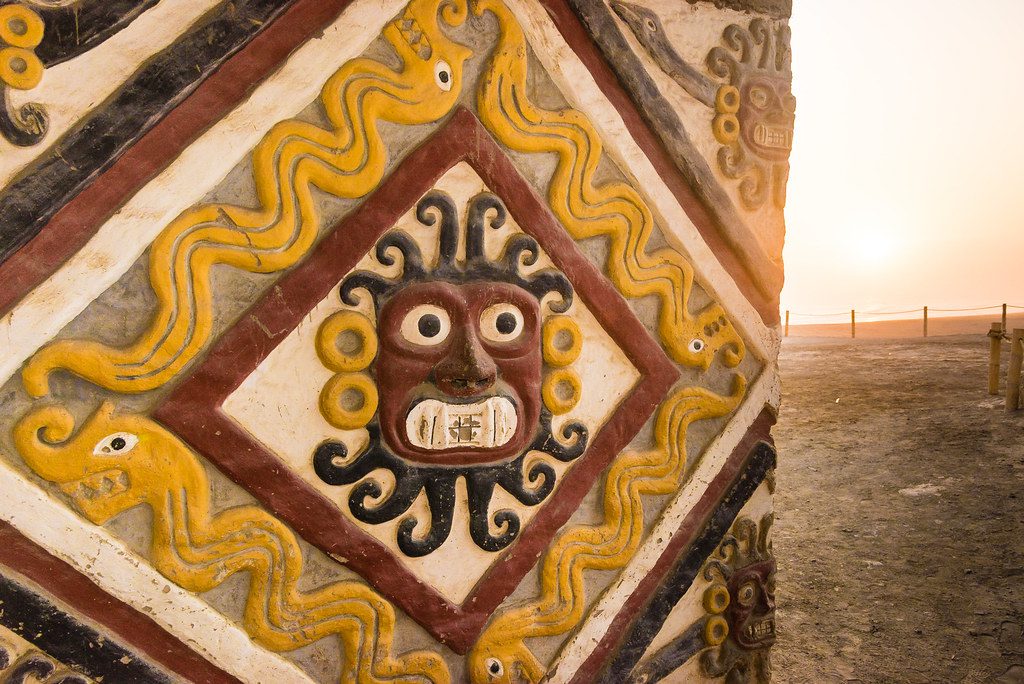
Imagine exploring an ancient city built entirely from adobe, discovering mysterious temples decorated with colorful murals, walking through charming colonial streets, and watching traditional fishing boats glide across the Pacific Ocean. This is Trujillo, Peru, a fascinating destination where ancient civilizations, living traditions, and coastal landscapes come together.
Located along Peru’s northern Pacific coast, Trujillo offers travelers an extraordinary opportunity to discover the country’s pre-Inca history while enjoying beautiful beaches, delicious regional cuisine, and welcoming cultural experiences. The city is particularly famous for its connection to the Moche and Chimú civilizations, whose remarkable architectural achievements continue to attract history enthusiasts and curious travelers.
Whether you are planning a cultural vacation, an archaeological adventure, or a longer journey through northern Peru, Trujillo deserves a place on your itinerary. From the impressive archaeological complex of Chan Chan to the traditional fishing village of Huanchaco, there are countless opportunities to experience the region’s unique character.
In this comprehensive guide, discover the best things to do in Trujillo, its historical treasures, coastal attractions, traditional dishes, and practical travel advice to help you organize an unforgettable visit.
1. Discover Trujillo, Peru: A Destination Rich in History and Culture
Trujillo is one of northern Peru’s most fascinating destinations. As the capital of the La Libertad region, it combines an attractive colonial center with extraordinary archaeological sites and a strong cultural identity.
Unlike destinations primarily associated with mountain landscapes, Trujillo introduces visitors to the history of Peru’s northern coastal civilizations. Its surroundings contain ancient ceremonial centers, enormous adobe structures, agricultural valleys, and traditional fishing communities.
The city also provides a convenient starting point for exploring the northern coast, where archaeological heritage and contemporary Peruvian life exist side by side.
Where Is Trujillo Located?
Trujillo is located in northwestern Peru, approximately 570 kilometers north of Lima, overlooking the Pacific Ocean. It occupies a coastal desert environment characterized by relatively dry conditions, agricultural valleys, and extensive sandy landscapes.
Its geographical position makes it an excellent starting point for exploring several important destinations in the La Libertad region.
Visitors can organize excursions to archaeological complexes, coastal villages, beaches, and traditional communities without traveling extremely long distances from the city.
The nearby Moche Valley is particularly important because it preserves evidence of ancient agricultural systems, religious architecture, and settlements that flourished long before the arrival of the Incas.
Why Is Trujillo Important in Peruvian History?
Trujillo is internationally recognized for its archaeological importance and its connections to two remarkable pre-Inca civilizations: the Moche and the Chimú.
The Moche developed sophisticated agricultural systems, impressive ceremonial architecture, metalworking techniques, and distinctive artistic traditions. Their temples demonstrate advanced construction knowledge and provide valuable information about their religious beliefs.
Centuries later, the Chimú established a powerful kingdom along Peru’s northern coast, with Chan Chan becoming their extraordinary political and administrative center.
These civilizations transformed the region into an important center of cultural and economic activity.
Trujillo’s colonial heritage adds another historical dimension. Its historic center preserves traditional architecture, elegant mansions, religious buildings, and public spaces that reflect the city’s development during the Spanish colonial period.
What Makes Trujillo Different From Other Peruvian Destinations?
One of Trujillo’s greatest attractions is its combination of experiences.
Travelers can explore ancient archaeological complexes in the morning, enjoy traditional northern Peruvian cuisine for lunch, and spend the afternoon relaxing beside the Pacific Ocean.
The destination also offers opportunities to experience traditional dances, fishing practices, local celebrations, and regional handicrafts.
For visitors interested in understanding Peru beyond its most famous mountain destinations, Trujillo offers a different perspective on the country’s history and cultural diversity.
2. The Fascinating History of Trujillo
Understanding Trujillo requires looking beyond its modern streets and colonial buildings. The surrounding valleys preserve thousands of years of human history, revealing how ancient societies developed complex political systems, agricultural techniques, religious traditions, and architectural achievements.
The Ancient Moche Civilization
The Moche civilization flourished along Peru’s northern coast between approximately 100 and 850 AD.
Its communities developed around fertile river valleys, where irrigation systems supported agriculture in an otherwise dry environment.
The Moche are particularly famous for their monumental temples, detailed ceramic artwork, sophisticated metal objects, and colorful architectural decorations.
Their artistic representations frequently depict religious figures, warriors, animals, ceremonial activities, and supernatural beings.
One of the most important archaeological destinations associated with this civilization is the Huacas del Sol y de la Luna complex.
These monumental structures provide evidence of the Moche’s religious, political, and social organization.
Visiting the archaeological area offers an opportunity to understand how ancient coastal societies created impressive ceremonial centers using locally available materials.
The Rise of the Chimú Kingdom
Following the decline of the Moche civilization, the Chimú emerged as one of the most influential societies along the northern Peruvian coast.
Their kingdom developed an extensive political and economic system, supported by agriculture, fishing, craftsmanship, and regional trade.
The Chimú are best remembered for constructing Chan Chan, an enormous adobe city that became the capital of their kingdom.
The settlement contained residential compounds, ceremonial spaces, administrative areas, storage facilities, and elaborate decorative walls.
Its architectural organization demonstrates the complexity of Chimú society and its ability to manage substantial urban populations.
The kingdom eventually became part of the expanding Inca Empire during the fifteenth century.
Spanish Colonial Heritage and Modern Trujillo
Trujillo was founded during the Spanish colonial period in the sixteenth century.
Its urban development introduced a different architectural style, characterized by central plazas, religious buildings, residential mansions, and organized streets.
Today, the historic center preserves many of these architectural characteristics.
Visitors can admire colorful facades, wooden balconies, traditional courtyards, and religious monuments while learning about the city’s colonial past.
Modern Trujillo has developed into an important regional center for commerce, education, agriculture, and tourism, while maintaining a strong connection to its historical identity.
3. Best Things to Do in Trujillo, Peru
There are numerous attractions in Trujillo, ranging from archaeological treasures to beautiful coastal destinations.
If you are interested in history, architecture, food, or outdoor activities, the city offers plenty of opportunities to create an unforgettable travel experience.
Explore the Ancient City of Chan Chan
Chan Chan is one of the most extraordinary archaeological attractions in northern Peru.
Located near Trujillo, this enormous adobe settlement was the capital of the Chimú kingdom and represents one of the most impressive examples of ancient earthen architecture in the Americas.
The archaeological complex covers an extensive area containing monumental walls, ceremonial courtyards, corridors, storage facilities, and residential compounds.
Its decorative walls feature geometric patterns and representations of marine animals, including fish and birds.
These designs reveal the importance of the Pacific Ocean in Chimú culture and demonstrate the artistic skills of its inhabitants.
The complex provides a fascinating opportunity to understand how an ancient civilization organized its capital, managed resources, and developed an elaborate architectural tradition.
Discover the Architecture and History of Chan Chan
One of the most interesting aspects of Chan Chan is its construction technique.
The Chimú used adobe bricks made from mixtures of earth, water, and other natural materials. They shaped these materials into structures that could withstand the demands of daily life in their coastal environment.
The archaeological area includes several walled compounds, although visitor access is concentrated in designated sections.
The walls display intricate reliefs inspired by marine life, agricultural fertility, and the natural environment.
Allow enough time to explore the accessible areas and understand their historical significance.
Because adobe is vulnerable to erosion and environmental conditions, visitors should remain on designated paths and avoid touching fragile architectural features.
Visit the Huacas del Sol y de la Luna
The Huacas del Sol y de la Luna are among the most important archaeological attractions near Trujillo.
These monumental structures were constructed by the Moche civilization and provide valuable information about ancient religious ceremonies, political authority, and artistic traditions.
The Huaca del Sol was an enormous structure associated with political and administrative activities.
The Huaca de la Luna, meanwhile, is particularly famous for its ceremonial architecture and beautifully preserved painted reliefs.
Its walls contain representations of important religious figures, supernatural beings, and ceremonial scenes.
Understand the Religious Importance of the Moche Temples
The decorations at Huaca de la Luna are among the most fascinating features of the archaeological complex.
Many murals contain vivid colors and detailed representations that provide insight into Moche beliefs and artistic traditions.
The site also demonstrates how ancient communities constructed new ceremonial structures over earlier architectural layers.
Archaeologists have uncovered different construction phases, revealing how religious spaces evolved over generations.
A visit to the nearby museum helps explain the archaeological discoveries and the objects recovered during excavations.
For travelers interested in ancient Peruvian history, this is an essential experience.
Discover the Historic Center of Trujillo
Trujillo’s historic center is one of the city’s most attractive areas for walking and cultural exploration.
Its streets are surrounded by colorful colonial buildings, elegant balconies, traditional courtyards, and important religious monuments.
The Plaza de Armas is the natural starting point for discovering the area.
This central public square is surrounded by historic architecture and provides an opportunity to observe everyday city life.
The cathedral is another important landmark, representing the city’s colonial religious heritage.
As you explore the surrounding streets, look for traditional mansions with decorative facades and architectural details that reflect different historical periods.
The historic center is particularly enjoyable during the morning and late afternoon, when visitors can walk comfortably and appreciate its architecture.
Experience Traditional Marinera Dancing
Trujillo is strongly associated with marinera, one of Peru’s most recognizable traditional dances.
This elegant performance involves coordinated movements, rhythmic footwork, and the use of handkerchiefs.
The dance represents a playful courtship between performers and reflects the cultural diversity of northern Peru.
Watching a marinera performance is an excellent way to experience the region’s artistic identity.
Visitors may encounter performances during cultural events, local celebrations, and organized presentations.
The city is especially famous for its marinera competitions, which attract dancers and spectators from different parts of the country.
Explore Huanchaco Beach
Huanchaco is one of the most popular coastal destinations near Trujillo.
This traditional seaside community combines fishing heritage, surfing culture, seafood restaurants, and beautiful Pacific Ocean scenery.
Its most recognizable feature is the caballito de totora, a traditional fishing boat made from bundles of reeds.
Local fishermen continue using these distinctive vessels, preserving a maritime tradition that has deep historical connections with ancient coastal civilizations.
Visitors can walk along the beach, explore the waterfront, watch fishing activities, and enjoy regional seafood.
Surfing is another popular activity, although ocean conditions should always be evaluated before entering the water.
Huanchaco is also an excellent place to enjoy a sunset overlooking the Pacific Ocean.
Discover Huaca Arco Iris
Huaca Arco Iris, also known as Huaca del Dragón, is another interesting archaeological attraction near Trujillo.
This ancient Chimú temple is recognized for its decorative adobe reliefs.
Its walls contain representations of geometric patterns, mythical figures, and distinctive rainbow-like motifs.
Although smaller than Chan Chan, the site offers another perspective on Chimú architecture and religious symbolism.
It is particularly worthwhile for travelers who want to explore more than the region’s most famous archaeological complexes.
Visit the El Brujo Archaeological Complex
Located north of Trujillo, the El Brujo archaeological complex is an important destination for understanding the history of the Moche civilization.
The complex contains ancient ceremonial structures, decorated walls, and archaeological remains that reveal the development of coastal communities.
One of its most significant discoveries is associated with the Lady of Cao, an important historical figure whose burial transformed understanding of women’s political and ceremonial roles in ancient Moche society.
The archaeological museum provides additional information about the discoveries and the historical context of the site.
Although reaching El Brujo requires more travel time than visiting the main attractions around Trujillo, it is an excellent excursion for visitors interested in archaeology.
Explore Local Markets and Artisan Traditions
Local markets offer an opportunity to experience everyday life in Trujillo beyond its major tourist attractions.
Visitors can discover regional agricultural products, fresh seafood, traditional ingredients, handmade crafts, and locally produced goods.
Markets are also excellent places to observe the culinary traditions of northern Peru.
Artisan workshops provide opportunities to learn about traditional craftsmanship and the techniques used to create decorative objects.
When purchasing souvenirs, consider supporting local artisans and choosing products that reflect regional traditions.
4. The Best Beaches and Coastal Attractions Near Trujillo
Trujillo’s coastal location creates opportunities to combine cultural exploration with relaxing seaside experiences.
The surrounding coastline includes traditional fishing communities, sandy beaches, surfing areas, and beautiful Pacific Ocean landscapes.
Huanchaco: Traditional Fishing and Surfing
Huanchaco is arguably the most recognizable beach destination near Trujillo.
Its combination of traditional fishing practices and modern surfing culture gives the community a distinctive atmosphere.
Visitors can observe fishermen preparing their reed boats, enjoy fresh seafood, or walk along the waterfront.
The beach also attracts surfers looking for waves along the northern Peruvian coastline.
Beyond water activities, Huanchaco offers a relaxed environment where visitors can experience coastal traditions and enjoy the local landscape.
Las Delicias Beach
Las Delicias is a coastal destination in the Moche district, south of Trujillo.
It offers a quieter atmosphere compared with the busier areas of Huanchaco.
The beach is suitable for relaxing, enjoying the coastal scenery, and experiencing a different side of the region.
Its surroundings are also connected to the agricultural and fishing traditions of the northern coast.
Buenos Aires Beach
Buenos Aires is another coastal area worth considering when exploring the surroundings of Trujillo.
Its seaside environment provides an opportunity to enjoy the Pacific coastline and observe the relationship between local communities and the ocean.
Conditions can vary depending on the season, tides, and coastal weather.
Visitors should always check local conditions before swimming.
Puerto Malabrigo and Its Surfing Culture
Puerto Malabrigo, also known as Chicama, is famous among surfing enthusiasts for its distinctive wave conditions.
The area has developed an international reputation because of its long surfing waves.
For travelers interested in surfing, this coastal destination offers an opportunity to experience a different side of northern Peru.
It is farther from Trujillo than Huanchaco, so visitors should plan transportation and allow sufficient time for the excursion.
5. Traditional Food and Gastronomy in Trujillo
Food is an essential part of experiencing Trujillo.
The region’s gastronomy reflects its coastal geography, agricultural production, historical traditions, and cultural influences.
Northern Peruvian cuisine is known for combining fresh seafood, aromatic herbs, regional vegetables, corn, and traditional cooking techniques.
Exploring local restaurants and markets is one of the most enjoyable ways to discover the city’s cultural identity.
Northern Peruvian Seafood
Because of its proximity to the Pacific Ocean, Trujillo offers access to a variety of seafood dishes.
Fish, shellfish, and other marine ingredients are central to many regional recipes.
Restaurants and traditional food establishments frequently serve preparations that highlight the freshness of local ingredients.
Seafood is particularly popular during lunchtime, when visitors can experience traditional coastal meals.
Shambar: A Traditional Regional Soup
Shambar is one of the most representative dishes associated with Trujillo and the surrounding region.
This hearty soup combines different grains, legumes, and meat ingredients to create a filling and flavorful meal.
Traditionally associated with Mondays, shambar has an important place in regional food culture.
Its preparation reflects the agricultural traditions of northern Peru and the importance of communal meals.
For visitors interested in discovering authentic local cuisine, tasting shambar is highly recommended.
Cabrito a la Norteña
Cabrito a la norteña is another famous regional specialty.
This traditional dish is prepared using goat meat and a combination of herbs, spices, and other ingredients that give it a distinctive flavor.
It is frequently served with rice, beans, and other traditional accompaniments.
The dish reflects the agricultural and culinary traditions of northern Peru.
It is an excellent option for travelers who want to experience the region’s traditional cooking.
Ceviche and Coastal Cuisine
Ceviche is one of Peru’s most recognizable culinary specialties, and the northern coast offers its own distinctive preparations.
The dish typically combines fresh fish with citrus juice, onions, chili peppers, and seasonings.
It is often accompanied by corn and sweet potato.
The combination of fresh ingredients and bright flavors makes ceviche particularly enjoyable in coastal destinations.
Visitors should choose reputable establishments with good food-handling practices and properly refrigerated seafood.
Traditional Desserts and Local Specialties
Trujillo also has a selection of traditional sweets and desserts.
Visitors can discover regional pastries, sweet preparations made with local ingredients, and desserts associated with traditional celebrations.
Trying different specialties is an excellent way to understand how regional food traditions have developed over generations.
Exploring local bakeries and markets can make the culinary experience even more memorable.
6. Cultural Experiences and Traditions in Trujillo
Trujillo’s cultural identity extends far beyond its archaeological attractions.
Its traditions are visible in its music, dance, celebrations, fishing practices, architecture, and everyday community activities.
The Marinera Dance
Marinera represents one of the strongest expressions of northern Peruvian cultural identity.
Its movements combine elegance, rhythm, coordination, and playful interaction between dancers.
The use of handkerchiefs is particularly distinctive.
For visitors, attending a performance provides a valuable introduction to the artistic traditions of the region.
If your visit coincides with a cultural celebration, look for opportunities to watch competitions and traditional presentations.
Caballitos de Totora and Ancient Fishing Traditions
The caballitos de totora are traditional reed boats used by coastal fishermen.
These narrow vessels are constructed from bundled totora reeds and are designed for navigating coastal waters.
Their continued use demonstrates the importance of preserving traditional knowledge.
The boats also reveal historical connections between contemporary fishing communities and ancient coastal societies.
Observing fishermen preparing and using these vessels is one of the most distinctive experiences available in Huanchaco.
Local Festivals and Cultural Celebrations
Trujillo hosts several cultural celebrations throughout the year.
These events showcase traditional music, regional dance, artistic performances, and community traditions.
The Festival of the Spring is particularly well known for its parades and cultural activities.
The Marinera competitions also attract significant attention from visitors interested in traditional Peruvian dance.
Travelers who plan their visit around these celebrations can experience a more dynamic side of the city’s cultural life.
Traditional Crafts and Community Heritage
Traditional craftsmanship remains an important element of regional identity.
Local artisans produce decorative objects, textiles, handmade souvenirs, and other products connected to northern Peruvian traditions.
Exploring artisan spaces allows visitors to understand the skills and techniques involved in creating these products.
Purchasing directly from local producers can also contribute to the preservation of traditional crafts and community livelihoods.
7. Best Time to Visit Trujillo, Peru
Trujillo has a coastal desert climate characterized by relatively dry conditions and limited rainfall.
Its weather is generally suitable for tourism throughout the year, although temperatures, cloud cover, and humidity vary seasonally.
Weather and Coastal Climate
The coastal environment can produce different weather conditions depending on the time of year.
Warm temperatures are generally more common during the summer months, while the cooler season may bring cloudy skies and coastal mist.
Because archaeological attractions have limited shade, visitors should prepare for sun exposure even when temperatures feel comfortable.
Seasonal Travel Considerations
The summer period, generally from December through March, offers warmer conditions that are often attractive for beach activities.
The cooler months, especially between June and September, may bring more cloud cover and cooler coastal conditions.
However, archaeological sightseeing remains possible throughout the year.
Travelers should consider their priorities when choosing travel dates.
If beach activities are especially important, warmer months may be preferable. If the main objective is exploring archaeological sites and historic architecture, other months can also provide enjoyable conditions.
Best Months for Archaeological and Beach Activities
For a combination of archaeological exploration and beach activities, the warmer months can be particularly appealing.
However, the best travel period ultimately depends on personal preferences and local weather conditions.
It is always advisable to check the forecast before traveling and prepare suitable clothing for changing coastal conditions.
8. How to Get to Trujillo and Get Around
Planning transportation is an important part of organizing a successful trip to Trujillo.
The city is accessible by air and road, making it relatively easy to include in a broader northern Peru itinerary.
Traveling From Lima to Trujillo
Travelers coming from Lima can reach Trujillo by domestic flight or long-distance bus.
Flying is generally the fastest option, while traveling by bus provides an opportunity to experience Peru’s coastal landscapes.
The road journey follows the Pan-American Highway and passes through different coastal environments.
If you are planning a longer trip through northern Peru, traveling by road can make it easier to include additional destinations along the coastline.
Arriving by Air and Road
Trujillo has an airport serving the city and surrounding region.
Air travel is convenient for visitors with limited time who want to reach the archaeological attractions quickly.
Long-distance buses are another common transportation option.
When choosing road transportation, consider journey duration, departure schedules, comfort, and the reliability of the transport operator.
For international travelers, it is advisable to organize onward transportation before arriving, especially when reaching the city late at night.
Local Transportation and Guided Excursions
Getting around Trujillo is relatively straightforward.
Taxis are commonly used to reach the historic center, beaches, and archaeological attractions.
For destinations outside the central urban area, organized excursions or private transportation can simplify the journey.
Hiring a knowledgeable local guide can also improve your experience at archaeological sites.
A guide can explain the historical significance of architectural features, cultural symbols, construction methods, and archaeological discoveries that might otherwise be difficult to understand.
When visiting several attractions in one day, consider arranging transportation in advance rather than relying on individual journeys.
9. Where to Stay in Trujillo
Choosing the right accommodation depends on the type of experience you want.
Trujillo offers different environments, from centrally located accommodation near historical attractions to quieter seaside stays.
Accommodation in the Historic Center
Staying in the historic center is a convenient option for travelers interested in architecture, restaurants, museums, and cultural attractions.
The area provides easy access to the Plaza de Armas and many important historical buildings.
It is also a practical base for organizing excursions to archaeological sites around the city.
For first-time visitors, this location offers a good balance between convenience and cultural exploration.
Staying Near Huanchaco Beach
Huanchaco is an attractive alternative for travelers who prefer a relaxed coastal atmosphere.
Accommodation options include small guesthouses, hotels, and establishments catering to surfers and independent travelers.
Staying near the beach makes it easier to enjoy seaside walks, seafood restaurants, surfing activities, and sunsets.
However, visitors should consider the additional transportation required to reach some of Trujillo’s urban attractions.
Choosing Accommodation for Different Travel Styles
Your ideal accommodation depends on your priorities.
- History enthusiasts: Consider staying near the historic center for easier access to museums and colonial architecture.
- Beach lovers: Choose accommodation around Huanchaco for a coastal experience.
- Families: Look for comfortable accommodation with convenient transportation and suitable facilities.
- Independent travelers: Consider centrally located guesthouses that provide access to public areas and local services.
- Longer-stay visitors: Prioritize reliable internet, comfortable rooms, and convenient access to restaurants and transportation.
Regardless of your choice, check recent accommodation reviews, location, security arrangements, and cancellation conditions before booking.
10. Suggested Trujillo Travel Itinerary
A well-planned itinerary allows you to experience Trujillo’s most important attractions without rushing between destinations.
Although the city can be explored in one day, spending two or three days provides a much better opportunity to appreciate its archaeological, historical, and cultural attractions.
One-Day Trujillo Itinerary
If you have limited time, concentrate on the most important attractions.
Morning:
Begin with the Huacas del Sol y de la Luna. Explore the archaeological structures, discover the colorful murals, and visit the museum to understand the Moche civilization.
Midday:
Return toward the city and enjoy a traditional northern Peruvian lunch.
Try regional specialties such as shambar or cabrito a la norteña.
Afternoon:
Explore the historic center, beginning at the Plaza de Armas. Admire the colonial architecture, visit the cathedral, and discover the surrounding streets.
Evening:
Enjoy dinner and experience the local atmosphere before returning to your accommodation.
This itinerary provides a combination of archaeology, history, and gastronomy.
Two-Day Trujillo Itinerary
Two days provide more opportunities to explore the region comfortably.
Day 1: Ancient Civilizations and Colonial Heritage
- Morning: Visit Chan Chan and explore its accessible archaeological areas.
- Midday: Enjoy lunch in the city or near the coast.
- Afternoon: Explore Huanchaco and discover its traditional fishing boats.
- Evening: Watch the sunset and enjoy seafood near the waterfront.
Day 2: Moche History and City Culture
- Morning: Explore the Huacas del Sol y de la Luna.
- Midday: Enjoy a traditional regional lunch.
- Afternoon: Visit the historic center, museums, and colonial buildings.
- Evening: Discover local restaurants or attend a cultural performance if available.
This itinerary covers several of Trujillo’s most important experiences.
Three-Day Trujillo Itinerary
Three days are ideal for travelers who want to explore beyond the main attractions.
Day 1: Archaeological Exploration
Spend the day discovering Chan Chan and the Huacas del Sol y de la Luna.
Learn about the differences between the Moche and Chimú civilizations and explore the archaeological collections.
Day 2: Coastal Experiences and Local Traditions
Visit Huanchaco, enjoy the Pacific Ocean scenery, and observe traditional fishing practices.
Spend time exploring the waterfront and sampling regional seafood.
If conditions permit, consider a surfing experience or a relaxed beach afternoon.
Day 3: Cultural Heritage and Regional Excursions
Explore Trujillo’s historic center and discover its colonial architecture.
If you have sufficient time and transportation, consider visiting the El Brujo archaeological complex.
Alternatively, explore additional local markets, artisan workshops, and cultural attractions.
A three-day visit provides a more complete understanding of Trujillo and its surrounding region.
11. Practical Travel Tips for Visiting Trujillo
A little preparation can make your experience in Trujillo more comfortable and enjoyable.
Although the city offers many visitor-friendly attractions, understanding local conditions is important when organizing your activities.
Safety and Personal Belongings
As in other large cities, visitors should take reasonable precautions when exploring Trujillo.
Keep valuables secure, avoid displaying expensive electronic devices unnecessarily, and use reliable transportation.
When visiting unfamiliar neighborhoods, ask your accommodation about local conditions and recommended routes.
Use registered transportation, particularly at night.
At archaeological sites, follow visitor regulations and remain within designated areas.
What to Pack
Because Trujillo has a relatively dry coastal climate, packing appropriately can improve your experience.
Consider bringing:
- Comfortable walking shoes.
- Lightweight clothing.
- A hat or cap.
- Sunglasses.
- Sunscreen.
- A reusable water bottle.
- A light jacket for cooler coastal evenings.
- A small backpack for daily excursions.
- A camera or smartphone.
- Personal medications and essential travel documents.
For archaeological excursions, sturdy footwear and sun protection are especially important because many areas are exposed to direct sunlight.
Respecting Archaeological and Cultural Heritage
Trujillo’s archaeological attractions represent an important part of Peru’s cultural heritage.
Visitors should respect preservation rules and avoid damaging historical structures.
Do not touch fragile murals, climb restricted structures, remove archaeological materials, or leave waste behind.
When observing traditional fishing activities, respect the space and work of local communities.
Responsible tourism helps preserve the region’s historical attractions and supports the people who maintain its cultural traditions.
Budgeting for Your Trip
The cost of visiting Trujillo depends on accommodation preferences, transportation, food choices, and the number of excursions included.
Travelers can manage their expenses by planning transportation, comparing accommodation options, and prioritizing the attractions they want to visit.
Remember to consider additional costs such as archaeological entrance fees, museum admissions, guided excursions, meals, and local transportation.
Keeping some cash available can also be useful for small purchases and services.
For the most accurate information, verify current entrance fees, opening schedules, and transportation conditions before your visit.
12. Frequently Asked Questions About Trujillo, Peru
Is Trujillo, Peru, Worth Visiting?
Yes. Trujillo is an excellent destination for travelers interested in ancient civilizations, archaeological sites, colonial architecture, coastal landscapes, and traditional Peruvian culture.
Its combination of Chan Chan, the Moche temples, Huanchaco, and regional gastronomy makes it one of the most interesting destinations in northern Peru.
It is particularly worthwhile for visitors who want to discover the country’s history beyond the traditional southern Peru travel circuit.
How Many Days Do You Need in Trujillo?
Two or three days are ideal for exploring Trujillo and its main attractions.
Two days allow visitors to discover Chan Chan, the Moche temples, the historic center, and Huanchaco.
Three days provide additional time for regional excursions, cultural activities, and a more relaxed travel experience.
A one-day visit is possible, but you will need to prioritize the attractions most important to you.
What Is Trujillo Most Famous For?
Trujillo is particularly famous for its archaeological heritage, especially Chan Chan and the Huacas del Sol y de la Luna.
It is also known for its colonial architecture, marinera dancing, traditional northern Peruvian cuisine, and nearby coastal destinations such as Huanchaco.
The city’s association with the ancient Moche and Chimú civilizations is one of its strongest historical attractions.
Can You Visit Chan Chan and the Moche Temples in One Day?
Yes. Both archaeological destinations can be visited in one day with careful planning.
However, you should arrange transportation in advance and check opening hours and admission arrangements.
Starting early makes it easier to explore both sites without rushing.
Consider including a knowledgeable guide to better understand the differences between the civilizations and their architectural traditions.
Is Huanchaco Worth Visiting?
Absolutely. Huanchaco is one of the most distinctive coastal destinations near Trujillo.
It offers beautiful ocean views, traditional fishing boats, seafood restaurants, and surfing opportunities.
Its caballitos de totora are particularly interesting because they preserve a maritime tradition connected to ancient coastal cultures.
Even visitors who are not interested in surfing can enjoy its relaxed atmosphere and cultural heritage.
What Food Should You Try in Trujillo?
Visitors should consider trying shambar, cabrito a la norteña, ceviche, and other regional seafood dishes.
These specialties represent important elements of northern Peruvian gastronomy.
Exploring traditional restaurants and local markets is an excellent way to discover the region’s culinary traditions.
What Is the Best Time to Visit Trujillo?
Trujillo can be visited throughout the year because of its relatively dry coastal climate.
December through March generally offers warmer conditions that are attractive for beach activities.
The cooler months may bring more cloud cover and coastal mist.
The ideal time depends on whether your main interests are beach activities, archaeology, or cultural exploration.
Is Trujillo Suitable for Families?
Yes. Trujillo can be an interesting destination for families, particularly those interested in history, culture, and coastal experiences.
Children can discover ancient architecture, learn about traditional fishing boats, explore museums, and enjoy the seaside atmosphere.
Families should plan comfortable sightseeing schedules, bring sufficient water and sun protection, and check the accessibility of individual attractions.
What Other Destinations Can You Visit Near Trujillo?
Several interesting destinations can be included in a northern Peru itinerary.
These include Huanchaco, the El Brujo archaeological complex, Puerto Malabrigo, and other cultural and coastal attractions throughout the La Libertad region.
Travelers with additional time can continue toward destinations such as Chiclayo, where further archaeological discoveries and historical attractions provide another perspective on ancient northern Peru.
13. Conclusion: Why Trujillo Deserves a Place on Your Peru Itinerary
Trujillo is a destination that brings together some of the most fascinating elements of Peru’s history, culture, and natural beauty.
From the enormous adobe structures of Chan Chan to the colorful ceremonial walls of the Moche temples, the region offers remarkable opportunities to discover ancient civilizations and understand their contributions to Peruvian heritage.
Beyond its archaeological attractions, Trujillo welcomes visitors with charming colonial architecture, traditional marinera dancing, delicious northern Peruvian cuisine, and beautiful coastal destinations.
A visit to Huanchaco adds another dimension to the experience, allowing travelers to discover traditional fishing practices, explore the Pacific coastline, and enjoy the relaxed atmosphere of a historic seaside community.
Whether you spend one day exploring its historical monuments or several days discovering its surrounding attractions, Trujillo offers experiences that make northern Peru particularly memorable.
If you are planning a trip to Peru, consider including Trujillo in your itinerary. Its extraordinary combination of archaeological treasures, living traditions, coastal scenery, and regional gastronomy makes it a destination worth exploring.
Discover Trujillo, experience the history of ancient Peru, and enjoy the cultural richness of the country’s fascinating northern coast.