
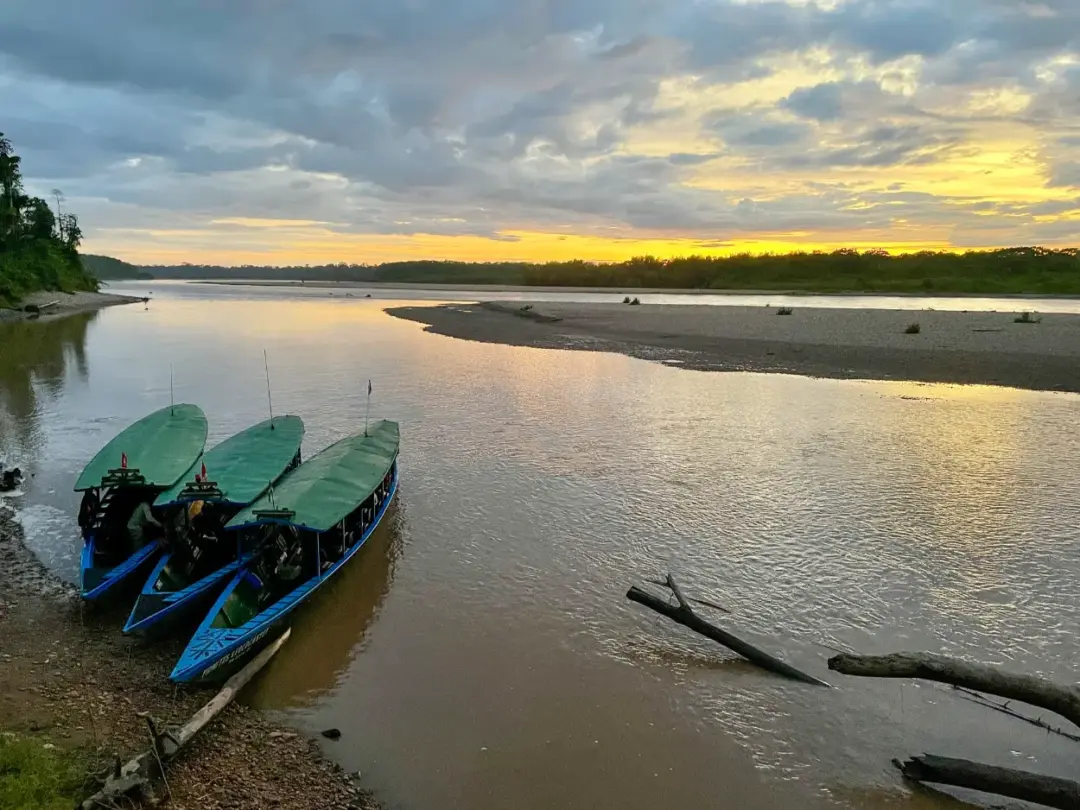
If you are looking for the best things to do in Tambopata, prepare to discover one of the most fascinating destinations in the Peruvian Amazon. Located in the Madre de Dios region of southeastern Peru, Tambopata offers an extraordinary combination of wildlife encounters, tropical landscapes, winding rivers, peaceful lakes, and unforgettable jungle adventures. It is a destination where every excursion brings the possibility of discovering something new.
From watching hundreds of colorful macaws gather at natural clay cliffs to exploring mysterious rainforest trails, Tambopata offers experiences for travelers who love nature, photography, adventure, and wildlife. You can navigate beautiful Amazonian lakes, search for giant river otters, listen to the sounds of nocturnal animals, or learn about traditional ways of living in the rainforest.
Whether you are visiting for a weekend or planning a longer Amazon adventure, there are countless opportunities to experience the natural beauty of this region. Here are 15 of the best activities and experiences to include in your Tambopata itinerary.
1. Explore Tambopata National Reserve
One of the most important things to do in Tambopata is explore the incredible landscapes of Tambopata National Reserve. This protected area is internationally recognized for its exceptional biodiversity and offers visitors the opportunity to experience one of the richest rainforest ecosystems on Earth.
The reserve contains extensive tropical forests, winding rivers, natural lakes, wetlands, and palm-filled landscapes. These environments support an impressive variety of wildlife, including monkeys, giant river otters, caimans, colorful birds, butterflies, and many other fascinating species.
Table of Contents
Exploring the reserve with a knowledgeable local guide allows you to discover details that might otherwise go unnoticed. You can learn how different plants interact with their environment, identify animal tracks, recognize bird calls, and understand the relationships between rainforest species.
Discover the Biodiversity of the Peruvian Amazon
Tambopata is especially attractive to wildlife enthusiasts because of the extraordinary variety of animals living within its forests. Some of the most fascinating species include scarlet macaws, howler monkeys, capuchin monkeys, tapirs, capybaras, and giant river otters.
Wildlife sightings are never guaranteed, but exploring different habitats increases your chances of encountering remarkable animals in their natural environment.
Explore Different Rainforest Ecosystems
The rainforest is not a uniform landscape. Visitors can discover flooded forests, dense vegetation, riverbanks, palm swamps, and areas of primary rainforest. Each environment provides different opportunities for wildlife observation and photography.
2. Visit Lake Sandoval and Discover Its Wildlife
Visiting Lake Sandoval is among the most popular things to do in Tambopata. This beautiful Amazonian lake is surrounded by lush vegetation, enormous palm trees, and dense tropical forest, creating a peaceful environment for discovering wildlife.
The journey usually combines river transportation and a walk through the rainforest. Once you reach the lake, you can explore its calm waters by boat while observing birds, monkeys, and other animals along the shoreline.
Take a Boat Ride Across the Lake
A boat excursion is one of the best ways to appreciate the scenery and observe animals without disturbing their natural behavior. As you navigate through the lake, you may encounter birds resting among the vegetation, monkeys moving through the trees, and caimans near the water.
The quiet atmosphere also makes Lake Sandoval an excellent location for nature photography.
Look for Giant River Otters
One of the main attractions of Lake Sandoval is its population of giant river otters. These impressive aquatic mammals are among the most fascinating animals in the Amazon.
Visitors may observe them swimming, fishing, grooming themselves, or interacting with members of their family groups. Seeing these animals in their natural habitat is an unforgettable experience, although sightings depend on wildlife activity and environmental conditions.
3. Watch Macaws at the Chuncho Clay Lick
Watching macaws at the Chuncho Clay Lick is undoubtedly one of the most spectacular things to do in Tambopata. This natural attraction offers a remarkable opportunity to observe colorful parrots, macaws, and other birds gathering along a riverbank to consume mineral-rich clay.
The experience generally begins early in the morning when visitors travel by boat toward the clay lick. As the forest becomes brighter, different groups of birds may begin arriving in the surrounding trees.
The colorful feathers of scarlet macaws, blue-and-yellow macaws, and red-and-green macaws create an extraordinary contrast against the green rainforest.
Understand Why Macaws Eat Clay
Macaws and other parrots regularly visit clay licks to consume small quantities of mineral-rich soil. Scientists believe this behavior helps supplement their mineral intake and may help reduce the effects of certain naturally occurring compounds found in their food.
The clay lick is also an interesting place to observe bird behavior. Different species arrive in groups, communicate through loud calls, and compete for suitable feeding locations.
Best Time to Observe Colorful Amazon Birds
Early morning is generally the preferred time to visit because bird activity often increases when weather conditions are favorable. Sunny mornings can provide particularly good opportunities for observing large groups of macaws.
However, sightings depend on weather, seasonal conditions, and natural feeding patterns. Patience is essential when visiting this remarkable location.
4. Explore the Colorado Clay Lick
Another fascinating wildlife attraction is the Colorado Clay Lick, where visitors can observe parrots, parakeets, and macaws gathering to feed on natural clay deposits.
The experience offers a different perspective on Amazon birdwatching. Hundreds of birds may congregate along the exposed riverbank, creating an impressive combination of movement, color, and sound.
Unlike traditional birdwatching excursions, visiting a clay lick allows travelers to observe a specific natural behavior. You can watch how birds approach the feeding area, communicate with one another, and gradually become comfortable in their surroundings.
Photography and Birdwatching Opportunities
The Colorado Clay Lick is particularly interesting for wildlife photographers. Its open landscape can provide opportunities to photograph birds against the natural background of the river and surrounding rainforest.
Bring binoculars and a camera with a suitable zoom lens. Maintaining a respectful distance is important to avoid disturbing the animals.
5. Go Birdwatching in Tambopata
Tambopata is an exceptional destination for birdwatching, attracting nature enthusiasts interested in discovering the incredible diversity of Amazonian birdlife.
The region is home to colorful macaws, toucans, trogons, kingfishers, hummingbirds, parrots, and numerous other tropical species. Birdwatching can take place along riverbanks, forest trails, lakes, and natural clearings.
Discover Tropical Bird Species
Some of the most recognizable birds include scarlet macaws, blue-and-yellow macaws, chestnut-fronted macaws, toucans, and hoatzins.
Every habitat offers different possibilities. Lakes and wetlands are excellent places to search for aquatic birds, while forest trails can reveal smaller species hidden among branches and vegetation.
Where to Find the Best Birdwatching Opportunities
Clay licks, Lake Sandoval, forest trails, and riverbanks are particularly interesting locations. Early mornings are usually productive because many birds become active around sunrise.
Even travelers without previous birdwatching experience can enjoy these excursions with the help of a knowledgeable guide.
6. Take a Guided Walk Through the Amazon Rainforest
Walking through the rainforest is one of the best ways to understand the natural environment of Tambopata. Unlike boat excursions, guided jungle walks allow visitors to explore the forest floor and discover the smaller details of this extraordinary ecosystem.
During a guided walk, you may encounter enormous trees, medicinal plants, tropical flowers, insects, amphibians, and different monkey species.
Discover Rainforest Plants and Medicinal Trees
The Amazon contains an extraordinary variety of plants that have been used by local communities for generations. Some are traditionally associated with medicinal preparations, while others provide food, construction materials, or useful natural fibers.
A guided walk helps visitors understand how local people have developed knowledge of these plants through generations of experience.
Look for Monkeys, Insects, and Mammals
Keep your eyes open for monkeys moving between branches, colorful butterflies resting on leaves, and insects camouflaged against tree trunks.
You might also discover animal footprints, feeding marks, nests, and other signs of wildlife activity.
7. Experience a Night Walk in the Jungle
A night walk offers a completely different perspective on the Amazon rainforest. When darkness arrives, many daytime animals become less active, while nocturnal creatures begin exploring the forest.
With a guide and flashlight, visitors can discover a fascinating world of frogs, insects, spiders, and other nighttime animals.
Discover Nocturnal Rainforest Animals
Some of the most interesting discoveries during night walks include tree frogs, katydids, grasshoppers, tarantulas, and other fascinating invertebrates.
Depending on the location, visitors may also hear night birds, observe small reptiles, or encounter other nocturnal wildlife.
Listen to the Sounds of the Amazon at Night
One of the most memorable aspects of this experience is the rainforest soundscape. Frogs call from nearby vegetation, insects produce continuous rhythms, and distant animals create mysterious sounds throughout the forest.
Night walks are especially enjoyable for travelers interested in discovering the rainforest beyond its familiar daytime appearance.
8. Explore Tambopata’s Lakes by Canoe
Tambopata contains several beautiful lakes that provide excellent opportunities for peaceful nature excursions. Exploring these waterways by canoe or small boat allows visitors to appreciate the forest from a different perspective.
Visit Lake Cocococha
Lake Cocococha is an interesting destination for observing aquatic wildlife and tropical landscapes. It is particularly associated with giant river otter observation, making it an attractive location for wildlife enthusiasts.
The surrounding vegetation also provides habitat for numerous bird species.
Explore Lake Sachavacayoc
Lake Sachavacayoc offers another opportunity to explore the biodiversity of the middle Tambopata region. Its natural environment supports different types of wildlife, including birds, aquatic animals, and mammals.
Visitors may also discover signs of tapirs and other animals living in the surrounding forest.
Discover Lake Condenado
Lake Condenado is a beautiful destination surrounded by dense Amazonian vegetation. Boat excursions and forest walks provide opportunities to observe wildlife while enjoying the peaceful atmosphere of the tropical rainforest.
9. Take a Boat Excursion Along the Tambopata River
The Tambopata River is an essential part of the region’s natural landscape and transportation system. Traveling along this river is an experience in itself, offering magnificent views of the rainforest and opportunities to observe wildlife along the banks.
Boat excursions allow visitors to explore different sections of the Amazon while discovering the changing landscapes of the river basin.
Observe River Landscapes and Wildlife
During the journey, you may encounter kingfishers, herons, macaws, monkeys, and other animals living near the water. Depending on the location and conditions, caimans may also be visible along the riverbanks.
The river is particularly beautiful during early mornings and late afternoons when changing sunlight creates dramatic reflections across the water.
Experience the Amazon from the Water
A river excursion provides a relaxing alternative to hiking. It is also an excellent way to reach remote areas, natural lakes, and wildlife observation locations.
10. Go Kayaking in the Amazon
Kayaking is an exciting activity for travelers who want to explore smaller waterways and enjoy the rainforest at a slower pace.
Unlike larger motorized boats, kayaks allow visitors to move quietly through suitable waterways, making it possible to appreciate the surrounding environment without creating excessive noise.
Explore Quiet Waterways
Depending on water levels and local conditions, kayaking can take place along selected streams, lakes, and protected waterways.
You can observe aquatic vegetation, listen to tropical birds, and enjoy the peaceful scenery of the rainforest.
Enjoy Peaceful Rainforest Scenery
Kayaking is particularly attractive for travelers who enjoy outdoor activities but prefer a less demanding adventure than long jungle hikes.
Always follow local safety recommendations and use appropriate equipment.
11. Discover the Amazon Canopy and Its Wildlife
The rainforest canopy is one of the most fascinating environments in the Amazon. It contains an enormous concentration of leaves, branches, flowers, fruits, insects, and animals.
Some rainforest accommodations and visitor locations offer elevated observation platforms, canopy towers, or suspension bridges that provide access to higher viewpoints.
Observe Wildlife from Elevated Viewpoints
From above the forest floor, visitors may observe birds flying between trees, monkeys moving through branches, and butterflies crossing sunny openings.
The elevated perspective also reveals how the rainforest forms different interconnected layers.
Explore the Upper Levels of the Rainforest
The canopy plays an essential role in the Amazon ecosystem because it receives abundant sunlight and supports many species that rarely descend to the forest floor.
Exploring this environment can help visitors understand why rainforest conservation is so important.
Availability of canopy experiences depends on the accommodation and excursion selected.
12. Photograph Amazon Wildlife and Butterflies
Tambopata is an excellent destination for nature photography. Its remarkable biodiversity, tropical landscapes, and colorful wildlife provide endless opportunities to capture memorable images.
Photographers can focus on birds, mammals, reptiles, insects, flowers, and rainforest scenery.
Discover Colorful Tropical Butterflies
One of the most beautiful insects in the Amazon is the blue morpho butterfly. Its brilliant blue wings can create spectacular flashes of color as it flies through the forest.
Tambopata is also home to many other butterfly species with different patterns, colors, and sizes.
Capture Rainforest Landscapes and Wildlife
For wildlife photography, a camera with a telephoto lens can be especially useful. Binoculars also help locate animals hidden among dense vegetation.
Remember that responsible photography means avoiding flash when inappropriate, never feeding wildlife, and maintaining a respectful distance.
13. Experience Local Amazonian Culture
Tambopata is not only about wildlife and rainforest adventures. The region also provides opportunities to learn about the traditions, knowledge, and daily lives of local Amazonian communities.
Community-based tourism can introduce visitors to traditional activities, local food, natural resources, and cultural practices.
Learn About Ese Eja Traditions
The Ese Eja people have a longstanding relationship with the forests and rivers of Madre de Dios. Their traditional knowledge provides valuable insights into the natural environment and the importance of protecting Amazonian ecosystems.
Respectful cultural visits can help travelers better understand the relationship between local communities and the rainforest.
Discover Traditional Brazil Nut Harvesting
Brazil nut harvesting is an important traditional activity in the Madre de Dios region. Visitors may have opportunities to learn how these valuable nuts are collected from the forest and prepared for consumption.
This experience also demonstrates how sustainable forest-based activities can support local livelihoods while maintaining standing rainforest.
14. Enjoy Sport Fishing and Aquatic Experiences
Fishing is another activity available in selected areas of the Tambopata region. Certain waterways contain interesting freshwater fish species, including peacock bass, which is particularly appreciated by sport-fishing enthusiasts.
Discover Amazonian Freshwater Fish
The Amazon river system contains an extraordinary diversity of freshwater species. Learning about their habitats, feeding behaviors, and ecological importance can make an aquatic excursion particularly interesting.
Explore Fishing Areas Responsibly
Fishing activities should always follow local regulations, seasonal restrictions, and conservation guidelines. Catch-and-release practices may be appropriate in certain settings, depending on local rules and conditions.
Visitors should choose authorized activities that prioritize the protection of aquatic ecosystems.
15. Stay in an Amazon Rainforest Eco-Lodge
Staying in a rainforest eco-lodge is one of the best ways to experience Tambopata tours beyond a short excursion. Instead of returning to the city after every activity, visitors can spend several days surrounded by tropical vegetation and natural sounds.
Many lodges provide comfortable accommodation, meals, guided walks, boat excursions, and opportunities to observe wildlife.
Experience the Rainforest After Sunset
The rainforest becomes particularly fascinating after dark. From the lodge, visitors can hear insects, frogs, and other nocturnal creatures while enjoying the atmosphere of the jungle.
Some accommodations also organize night walks and guided wildlife observation activities.
Enjoy Guided Activities and Nature Observation
Staying several days in the forest creates more opportunities to explore different habitats and observe wildlife at different times.
It also allows visitors to enjoy a slower travel experience, appreciate the natural environment, and develop a deeper understanding of Amazonian biodiversity.
Best Time to Enjoy Things to Do in Tambopata
Tambopata can be visited throughout the year, but seasonal differences influence the type of experience visitors may enjoy.
Dry Season
The period from approximately May to October is generally considered favorable for many rainforest excursions. Lower rainfall can make certain trails easier to explore, and river conditions may provide different opportunities for wildlife observation.
This period is especially attractive to visitors interested in hiking, birdwatching, and exploring natural lakes.
Rainy Season
The wetter months, particularly December through March, bring more frequent rainfall and changing river levels. Some trails may become muddy, and certain activities can require additional flexibility.
However, the rainy season also transforms the rainforest into a lush environment filled with fresh vegetation and increased water flow.
Wildlife Observation Throughout the Year
Wildlife can be observed during every season, although animal activity and visibility vary according to weather, habitat, and natural feeding patterns.
The best strategy is to plan enough time to explore different locations rather than relying on a single excursion.
How Many Days Do You Need in Tambopata?
The ideal length of your visit depends on the number of activities you want to experience and how far into the rainforest you plan to travel.
Two-Day Tambopata Itinerary
A two-day visit is suitable for travelers with limited time. You can prioritize a visit to Lake Sandoval, enjoy a guided rainforest walk, and participate in a wildlife observation excursion.
Three-Day Tambopata Itinerary
Three days provide more opportunities to discover the rainforest. You can combine Lake Sandoval, jungle walks, nocturnal wildlife observation, and birdwatching.
Four-to-Five-Day Tambopata Itinerary
A longer stay allows you to explore additional lakes, visit clay licks, enjoy river excursions, and discover different rainforest environments.
For travelers particularly interested in wildlife photography and birdwatching, spending four or five days can provide a much more rewarding experience.
Travel Tips for Visiting Tambopata
A little preparation can make your Amazon adventure more comfortable and enjoyable.
What to Pack
Consider bringing:
- Lightweight, breathable clothing.
- Long-sleeved shirts and comfortable trousers.
- Waterproof clothing or a rain jacket.
- Comfortable walking shoes or rubber boots.
- Insect repellent.
- Sunscreen and a hat.
- Binoculars for wildlife observation.
- A camera and extra batteries.
- A flashlight or headlamp.
- A reusable water bottle.
- Waterproof bags for electronic equipment.
Hiring a Local Guide
A knowledgeable local guide can make a significant difference during your visit. Guides help identify animals, explain rainforest ecosystems, interpret animal behavior, and provide important safety recommendations.
Access to protected areas and specific tourist routes may require authorized services and compliance with local visitor regulations.
Responsible Wildlife Observation
Always maintain a respectful distance from animals. Avoid feeding wildlife, making excessive noise, or attempting to touch animals.
Stay on designated trails, follow your guide’s instructions, and avoid leaving waste in the forest.
Getting to Tambopata from Puerto Maldonado
Puerto Maldonado is the main gateway for visitors exploring Tambopata. Travelers generally arrive by air or overland transportation before continuing toward rainforest accommodations and protected areas by road or river.
Travel times depend on the destination, water conditions, and accommodation location. Some attractions are relatively close to the city, while others require several hours of boat travel.
Planning transportation in advance is especially important when visiting remote lakes and clay licks.
Frequently Asked Questions About Things to Do in Tambopata
1. What Is Tambopata Famous For?
Tambopata is famous for its extraordinary Amazon rainforest biodiversity, colorful macaws, natural clay licks, giant river otters, beautiful lakes, and opportunities for wildlife observation. It is one of the most attractive destinations in Peru for experiencing tropical rainforest ecosystems.
2. Is Tambopata Worth Visiting?
Yes. Tambopata is an excellent destination for travelers interested in nature, wildlife, adventure, and ecotourism. Visitors can explore lakes, walk through tropical forests, observe monkeys and birds, and experience the Amazon far from urban environments.
3. What Are the Best Things to Do in Tambopata?
Some of the best activities include visiting Lake Sandoval, watching macaws at Chuncho Clay Lick, exploring the Colorado Clay Lick, taking guided jungle walks, enjoying night excursions, birdwatching, kayaking, and discovering local Amazonian culture.
4. How Many Days Should I Spend in Tambopata?
Three to four days is a good starting point for exploring Tambopata. This provides enough time to enjoy several rainforest activities, visit natural lakes, observe wildlife, and experience the Amazon at different times of the day.
Travelers interested in more remote locations and specialized wildlife photography may prefer five days or longer.
5. What Animals Can You See in Tambopata?
Tambopata is home to giant river otters, scarlet macaws, toucans, monkeys, capybaras, tapirs, caimans, anacondas, butterflies, and many other rainforest species.
The animals you encounter depend on the season, location, weather, and time of day.
6. Can You Visit Tambopata Without a Guide?
Some areas around Puerto Maldonado can be explored independently, but visiting protected tourist routes generally requires authorized tourism services and compliance with local regulations. A qualified guide is strongly recommended for wildlife observation and rainforest excursions.
7. What Is the Best Month to Visit Tambopata?
May through October is generally considered a favorable period for visiting Tambopata because rainfall is often lower. Nevertheless, the rainforest offers interesting experiences throughout the year, and wildlife observation is possible in both wet and dry seasons.
8. Is Tambopata Suitable for Families?
Yes. Tambopata can be an excellent destination for families interested in nature and wildlife. Activities such as boat excursions, birdwatching, and guided rainforest walks can be enjoyable educational experiences.
Families should select age-appropriate excursions and accommodations and consider the physical requirements of each activity.
9. Is Tambopata Different from Manu National Park?
Yes. Both destinations protect extraordinary Amazonian biodiversity, but they have different geographical characteristics, ecosystems, visitor routes, and travel logistics.
Tambopata is particularly known for its lakes, macaw clay licks, and accessible wildlife experiences from Puerto Maldonado. Manu is famous for its extensive protected landscapes and exceptional ecological diversity.
10. Where Should You Stay When Visiting Tambopata?
Visitors can choose accommodation in Puerto Maldonado or stay at rainforest eco-lodges located closer to natural attractions.
Staying inside or near the rainforest provides more opportunities for early-morning wildlife observation, night walks, and guided excursions without repeatedly traveling from the city.
Conclusion: Discover the Best Things to Do in Tambopata
Tambopata is much more than a destination for exploring the Amazon rainforest. It is a place where nature, wildlife, adventure, and traditional culture come together to create extraordinary travel experiences.
From watching colorful macaws gather at natural clay licks to discovering giant river otters at Lake Sandoval, every activity offers a different way to appreciate the incredible biodiversity of the Peruvian Amazon.
Whether you prefer peaceful canoe excursions, exciting jungle walks, nocturnal wildlife observation, birdwatching, or cultural experiences, Tambopata has something special to offer.
The best way to experience this remarkable region is to spend several days exploring different habitats, choosing responsible wildlife activities, and allowing enough time to appreciate the rainforest at its own pace.
If you are planning an Amazon adventure in Peru, include Tambopata on your itinerary and discover one of the most extraordinary natural destinations in South America.