
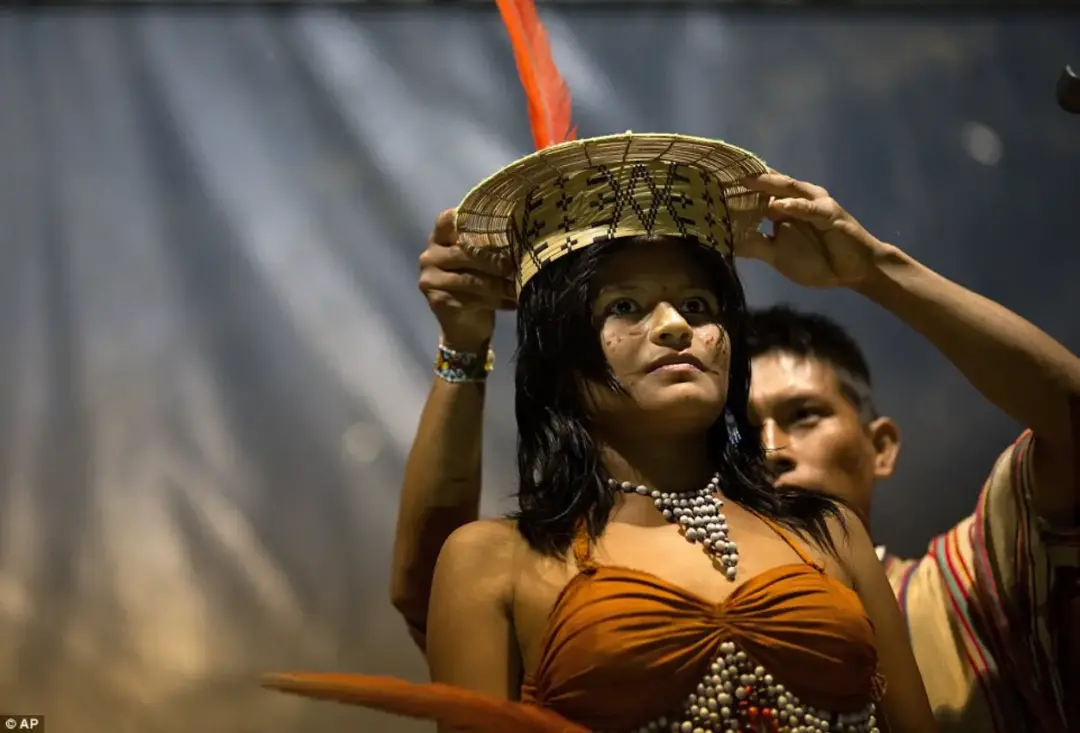
The Peruvian Amazon is a region of extraordinary biodiversity, winding rivers, dense tropical forests, and diverse cultural traditions that have developed over generations. Beyond its natural beauty, the rainforest is home to communities whose identities, lifestyles, beliefs, and knowledge are closely connected to the surrounding environment. Understanding Peru Amazon traditions provides an opportunity to discover the cultural richness of this region and the importance of preserving its ancestral heritage.
Traditional practices in the Peruvian Amazon include storytelling, music, dance, food preparation, medicinal plant knowledge, fishing techniques, agriculture, artistic crafts, and community celebrations. These customs are not simply remnants of the past. Many remain part of everyday life, evolving as communities adapt to changing circumstances while maintaining important connections with their ancestors, families, territories, and natural surroundings.
The Peruvian Amazon contains many different cultural identities, languages, and histories. There is no single Amazonian tradition that represents everyone. Each community has its own knowledge, practices, values, and ways of understanding the world. Exploring these traditions reveals how culture and nature are intertwined across one of the most fascinating regions of Peru.
Understanding the Cultural Diversity of the Peruvian Amazon
Indigenous peoples and cultural identities
The Peruvian Amazon is home to numerous Indigenous peoples with distinct languages, histories, and cultural practices. Communities such as the Shipibo-Konibo, Asháninka, Ese Eja, Matsigenka, Yine, and Kukama-Kukamiria have their own cultural identities, traditions, and relationships with their territories.
These communities have developed ways of living that reflect their environments, including riverbanks, forests, wetlands, and agricultural areas. Their knowledge encompasses food production, fishing, navigation, medicinal plants, weather patterns, wildlife behavior, and the use of natural materials.
Cultural traditions are often transmitted through families and community relationships. Older generations teach younger people practical skills, stories, songs, crafts, and knowledge about the forest. These learning processes help preserve cultural identity while allowing traditions to adapt to new generations.
The diversity of Amazonian cultures is an important part of Peru’s national heritage. Understanding this diversity requires recognizing that different communities have different customs and that their cultural expressions should not be generalized.
The importance of the rainforest and rivers
The rainforest is more than a physical environment for Amazonian communities. It is a source of food, materials, knowledge, transportation, and cultural meaning. Rivers connect communities, support fishing activities, provide transportation routes, and influence seasonal routines.
Traditional knowledge often includes understanding when rivers rise or fall, where certain fish can be found, which plants are useful, and how environmental conditions affect agriculture and travel.
The changing seasons influence community life. Flooding can transform forests into aquatic landscapes, while lower water levels can reveal beaches, paths, and fishing locations. These environmental changes are deeply connected to traditional activities and local knowledge.
Ancestral Beliefs and Spiritual Traditions
Spiritual connections with nature
Spiritual beliefs are an important component of many Indigenous cultures throughout the Peruvian Amazon. Some traditions describe relationships between humans, animals, plants, rivers, and spiritual beings. Nature may be understood as possessing significance beyond its practical value, influencing how people interact with the forest and its resources.
Traditional stories can explain the origins of certain animals, plants, landscapes, and cultural practices. They may also communicate lessons about respect, responsibility, relationships, and the consequences of human behavior.
Spiritual beliefs vary widely between communities. Some are transmitted through oral traditions, ceremonies, songs, and the teachings of knowledgeable elders. These beliefs may influence decisions regarding hunting, fishing, medicinal plants, and other activities.
The spiritual relationship with the rainforest reflects a worldview in which people are connected to their surroundings rather than separated from them.
Traditional healing and medicinal plants
Medicinal plant knowledge is one of the most important aspects of ancestral heritage in the Peruvian Amazon. Generations of experience have helped communities understand the properties and uses of different plants, including their roles in traditional remedies, preparations, and healing practices.
Traditional healers may have extensive knowledge of roots, leaves, bark, seeds, and other plant materials. Their understanding can include how plants are collected, prepared, combined, and used within specific cultural contexts.
Healing traditions may involve physical care, spiritual practices, dietary recommendations, and community support. In some cultures, health is understood through a broader relationship between the individual, family, spiritual well-being, and the natural environment.
This knowledge is valuable, but it should not be confused with modern medical treatment. Traditional remedies may have risks, and the use of medicinal plants requires appropriate knowledge and caution.
Ceremonies and sacred knowledge
Ceremonies can play an important role in community life, spiritual relationships, healing traditions, and the transmission of ancestral knowledge. Depending on the culture, ceremonial practices may involve songs, prayers, symbolic objects, special preparations, or gatherings led by knowledgeable individuals.
Some sacred practices are private or restricted to members of a community. Not every ceremony is intended for visitors, and certain traditions should not be photographed, recorded, or reproduced without permission.
Respecting these boundaries is an essential part of understanding Amazonian culture. Cultural knowledge belongs to the communities that preserve and practice it, and their wishes should guide how outsiders approach it.
Traditional Food and Amazonian Cuisine
Cassava, plantains, and local ingredients
Food is an important part of Peru Amazon traditions, connecting families, community gatherings, agriculture, and local environments. Traditional Amazonian cuisine makes use of ingredients that grow well in tropical conditions and foods obtained from rivers and forests.
Cassava, also known as yuca, is one of the region’s important staples. It can be boiled, roasted, processed into flour, or used to prepare different traditional foods. In many communities, cassava processing involves knowledge passed down through generations.
Plantains are another common ingredient. They may be boiled, fried, roasted, or incorporated into meals. Their versatility makes them an important food source throughout the region.
Other ingredients include local fruits, peppers, herbs, nuts, and cultivated crops. Food preparation varies from community to community, reflecting local availability, preferences, and traditions.
Traditional fish preparation and cooking methods
Fishing has historically supported many Amazonian communities, providing food and contributing to daily livelihoods. Traditional fishing knowledge includes understanding fish behavior, river conditions, seasons, and appropriate locations.
Freshwater fish are prepared in many ways, including grilling, roasting, boiling, and wrapping in leaves before cooking. Leaf-wrapped preparations can help retain moisture and aroma while allowing food to cook naturally.
Meals are often an important social activity. Families share food, visitors may be welcomed with local dishes, and community gatherings can involve preparations that bring people together.
Amazonian cuisine is not only about ingredients. It reflects knowledge of the environment, resource availability, cultural identity, and the relationship between food and community.
Music, Dance, and Cultural Celebrations
Traditional instruments and songs
Music is an important expression of cultural identity throughout the Peruvian Amazon. Traditional songs can communicate stories, emotions, experiences, spiritual ideas, and relationships with the natural world.
Instruments may be made from wood, seeds, bamboo, plant fibers, or other natural materials. Depending on the cultural tradition, music may involve percussion, rhythmic sounds, flutes, singing, or instruments used during specific ceremonies and celebrations.
Songs can be learned through listening and repetition, often passed from one generation to another. Some have particular meanings or cultural contexts that are not immediately understood by people outside the community.
Traditional music continues to evolve. Contemporary Indigenous musicians may combine ancestral themes and cultural languages with modern instruments and musical styles, creating new expressions while maintaining connections to their heritage.
Community celebrations and festivals
Celebrations are opportunities for communities to strengthen relationships, share cultural knowledge, and maintain collective identity. They may include traditional food, music, dance, crafts, gatherings, and activities for different generations.
Some festivities reflect local history, agricultural cycles, community milestones, or regional cultural influences. Others are associated with religious traditions that have developed through interactions between Indigenous cultures and outside influences.
Celebrations can vary significantly between communities. Their meaning is often connected to the people participating rather than simply the activities observed by visitors.
Through festivals and gatherings, traditions remain active and relevant, helping communities maintain a sense of belonging and continuity.
Traditional Clothing, Crafts, and Art
Natural materials and handmade crafts
Traditional crafts are an important part of cultural expression and practical life in the Peruvian Amazon. Communities have developed techniques for working with materials available in their environments, including plant fibers, wood, seeds, clay, and natural pigments.
Handmade baskets, woven items, ornaments, pottery, and other objects may serve practical purposes or carry cultural and artistic significance.
Crafting techniques are often taught through observation and hands-on practice. Children and young people may learn from relatives or experienced artisans, developing skills that require patience, knowledge of materials, and creativity.
Some crafts are also connected to local economic activities, allowing artisans to sell their work while maintaining traditional techniques.
Patterns, designs, and cultural expression
Amazonian art can contain meaningful patterns, shapes, colors, and designs connected to cultural identity, stories, beliefs, or observations of nature.
Certain artistic traditions use geometric patterns and intricate designs that are learned and developed within specific cultural contexts. These designs may appear on textiles, ceramics, paintings, decorative objects, or other forms of artistic expression.
Art can also serve as a way of communicating knowledge and preserving cultural memory. Designs may reflect relationships with plants, animals, landscapes, spiritual ideas, or ancestral teachings.
It is important to recognize that cultural artwork is not merely decoration. Some designs carry deep significance and should be approached with respect for the people who create and preserve them.
Daily Life and Ancestral Knowledge
Fishing, agriculture, and forest livelihoods
Traditional daily life in the Amazon often involves activities closely connected to the natural environment. Fishing, agriculture, gathering, food preparation, transportation, household activities, and community responsibilities are part of many people’s routines.
Agriculture may involve growing cassava, plantains, corn, fruits, and other crops adapted to local conditions. Knowledge of soil, rainfall, seasonal changes, and cultivation techniques helps determine when and how crops are planted and harvested.
Fishing requires knowledge of aquatic ecosystems, fish species, currents, river levels, and seasonal patterns. These skills can be acquired through years of observation and experience.
The forest also provides materials for building, crafting, cooking, and other everyday needs. Sustainable use of resources can depend on cultural knowledge and community practices developed over long periods.
Oral storytelling and intergenerational learning
Storytelling is a powerful way of preserving culture. Oral traditions can include legends, origin stories, historical memories, moral lessons, and explanations of natural phenomena.
Stories may be shared during family gatherings, community events, or moments of teaching. They can help children understand their culture, learn about their surroundings, and develop a sense of identity.
Traditional knowledge is also transmitted through practical activities. Learning how to identify plants, prepare food, navigate rivers, create crafts, or cultivate crops often involves observing experienced family members and participating directly.
These methods of learning connect generations and preserve knowledge that may not be written in books.
The Role of Traditions in Amazon Conservation
Traditional ecological knowledge
Many Amazonian communities possess detailed knowledge of their local ecosystems. This knowledge may include understanding plant growth, animal behavior, river cycles, forest regeneration, and the effects of environmental changes.
Traditional ecological knowledge can contribute to conservation by helping people recognize patterns in nature and manage resources responsibly.
Practices such as selective harvesting, seasonal fishing, maintaining agricultural diversity, and protecting culturally important areas may support sustainable relationships with the forest.
Conservation is not only a scientific or governmental activity. It can also involve cultural identity, community decision-making, territorial protection, and the continuation of traditional livelihoods.
Cultural preservation in a changing world
Amazonian traditions face challenges associated with deforestation, economic pressures, environmental changes, migration, and the loss of Indigenous languages.
Younger generations may face difficulties learning ancestral knowledge when cultural practices are interrupted or when opportunities to practice traditional livelihoods become limited.
Cultural preservation can involve language education, community initiatives, traditional arts, intergenerational teaching, territorial protection, and opportunities for Indigenous people to represent their own cultures.
Preserving traditions does not mean preventing communities from changing. Cultures are dynamic, and Indigenous communities have the right to adapt, innovate, and make their own decisions about the future.
The goal is to support cultural continuity while respecting community autonomy and contemporary realities.
Responsible Cultural Experiences in the Peruvian Amazon
Travelers visiting the Peruvian Amazon can learn about local traditions through responsible cultural experiences, community visits, workshops, and activities led by local people.
A respectful cultural experience begins with listening. Visitors should learn about the community’s customs, ask questions appropriately, and understand that not every cultural practice is available for public participation.
When visiting Indigenous communities or participating in cultural activities, travelers should consider the following:
- Ask permission before taking photographs of people.
- Respect private ceremonies and restricted cultural practices.
- Purchase crafts directly from artisans when possible.
- Follow local guidance and community rules.
- Avoid treating cultural traditions as performances created exclusively for tourists.
- Choose experiences that provide fair benefits to local communities.
- Be open to learning without making assumptions about Indigenous lifestyles.
Responsible tourism can create opportunities for cultural exchange when communities control how their traditions are shared and receive meaningful benefits from visitor activities.
The most valuable cultural encounters are those based on mutual respect, genuine curiosity, and recognition of the people behind the traditions.
Frequently Asked Questions About Peru Amazon Traditions
What are the main traditions of the Peruvian Amazon?
Important traditions include ancestral storytelling, music, dance, traditional food preparation, medicinal plant knowledge, fishing, agriculture, crafts, ceremonies, and community celebrations. Customs vary between Indigenous groups and local communities.
What Indigenous cultures live in the Peruvian Amazon?
The Peruvian Amazon is home to many Indigenous peoples, including Shipibo-Konibo, Asháninka, Ese Eja, Matsigenka, Yine, and Kukama-Kukamiria communities. Each has distinct cultural traditions, histories, and languages.
What foods are traditional in the Peruvian Amazon?
Traditional foods often include cassava, plantains, freshwater fish, local fruits, and cultivated tropical ingredients. Preparation methods can include roasting, boiling, grilling, and cooking food wrapped in leaves.
What role does spirituality play in Amazonian traditions?
Spirituality can influence how communities understand their relationships with nature, health, animals, plants, ancestors, and community life. Beliefs and ceremonies differ between cultures and should not be treated as universal Amazonian practices.
Can travelers experience Amazonian traditions respectfully?
Yes. Travelers can learn through community-led cultural experiences, local workshops, guided visits, traditional food, crafts, and educational activities. Respecting community rules, privacy, and cultural boundaries is essential.
Conclusion
Peru Amazon traditions represent a rich cultural heritage shaped by generations of knowledge, experiences, beliefs, and relationships with the rainforest. From traditional foods and crafts to music, ceremonies, storytelling, fishing, agriculture, and medicinal plant knowledge, these practices reveal the diversity and resilience of Amazonian communities.
The traditions of the Peruvian Amazon are not frozen in time. They continue to develop as communities adapt to modern challenges while maintaining important connections to their ancestors, territories, languages, and cultural identities.
Learning about these traditions helps visitors and readers appreciate the Amazon beyond its wildlife and landscapes. It encourages a deeper understanding of the people who call the rainforest home and highlights why protecting cultural heritage is inseparable from respecting the Amazon itself.
Preserving Peru Amazon traditions means supporting the communities that carry this knowledge forward, respecting their choices, and recognizing the cultural diversity that makes the Peruvian rainforest an extraordinary place.