
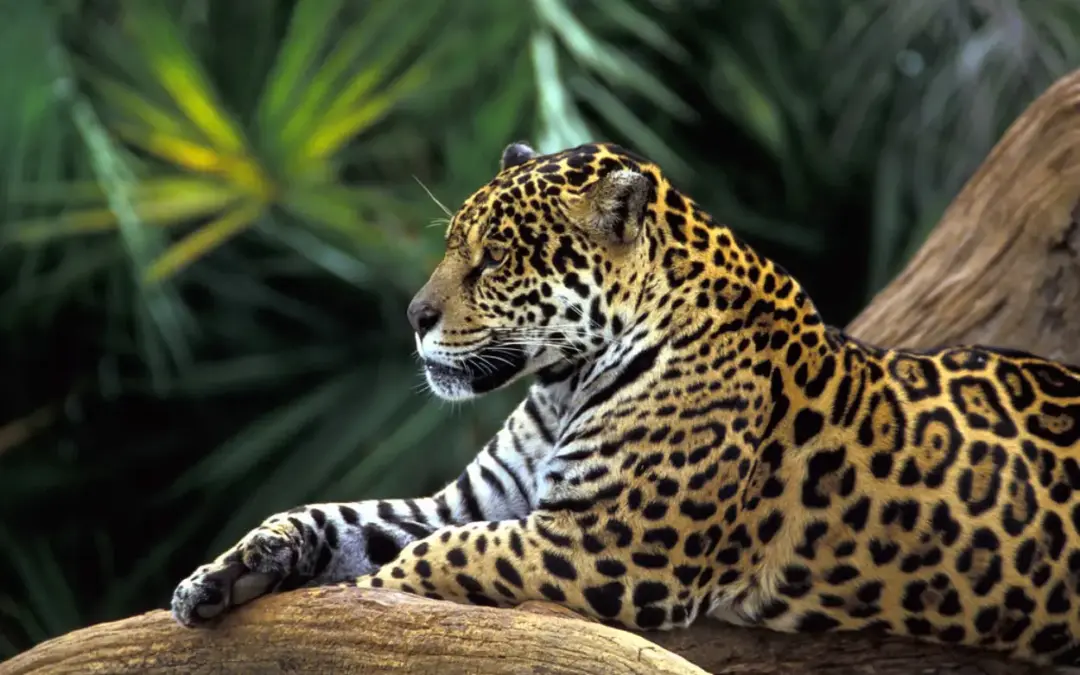
Endangered Amazon animals are among the most remarkable creatures on Earth, but many face an uncertain future because of deforestation, illegal hunting, climate change, mining, and habitat destruction. The Amazon rainforest is home to an extraordinary variety of mammals, birds, reptiles, amphibians, and aquatic species. However, increasing human activities are putting pressure on these animals and threatening the delicate balance of one of the world’s most important ecosystems.
From the mysterious Amazon river dolphin to the powerful jaguar and the impressive giant otter, these animals play essential roles in maintaining the rainforest’s natural environment. Protecting their habitats is not only important for their survival but also for the future of the Amazon rainforest.
Understanding which animals are endangered, why their populations are declining, and how conservation efforts can help is an important step toward protecting this extraordinary natural world.
Understanding Endangered Animals in the Amazon Rainforest
The Amazon rainforest covers an enormous area of South America, extending across several countries and containing an incredible diversity of natural habitats. Dense tropical forests, flooded woodlands, wetlands, rivers, and oxbow lakes provide shelter and food for countless animal species.
Although millions of organisms live in this ecosystem, many remain poorly studied. Some species have very limited distributions, while others depend on large areas of uninterrupted forest to find food, reproduce, and move between habitats.
Table of Contents
Endangered animals are species facing a significant risk of extinction in the wild. Their populations may decline because of habitat destruction, hunting, pollution, environmental changes, or a combination of these pressures.
Not every threatened Amazon animal has the same conservation status. Some are classified as Vulnerable, others as Endangered, and certain species face even more serious risks. These classifications are based on scientific assessments of population trends, geographic distribution, and threats.
Why the Amazon Is Important for Wildlife
The Amazon rainforest provides essential resources for wildlife. Its vegetation produces food, creates shelter, regulates local temperatures, and maintains the water cycle.
The rivers and wetlands are equally important. They support fish, turtles, dolphins, caimans, and numerous other aquatic animals. Many terrestrial species also depend on rivers for drinking water and access to food.
The forest’s different ecological layers create habitats for animals with very different lifestyles. Monkeys move through the canopy, jaguars hunt along riverbanks, frogs inhabit humid vegetation, and giant otters search for fish in freshwater environments.
When these habitats disappear, animals lose more than their homes. They also lose feeding grounds, breeding areas, and the natural connections that allow populations to survive.
What Does It Mean for an Animal to Be Endangered?
An endangered species faces a very high risk of extinction in the wild. This classification indicates that its population or natural distribution has declined to a concerning level.
The conservation status of an animal can change over time. Successful protection measures may help populations recover, while continuing habitat destruction and hunting can make their situation worse.
It is also important to distinguish between an endangered species and an animal that is simply difficult to observe. Some Amazon animals are naturally rare or elusive, but this does not automatically mean they are endangered.
Most Endangered Animals in the Amazon Rainforest
The Amazon is home to numerous animals facing serious conservation challenges. Some are threatened by the destruction of their forest habitats, while others suffer from fishing activities, pollution, hunting, and illegal wildlife trafficking.
The following species represent some of the most important examples of wildlife conservation in the region.
Amazon River Dolphin
The Amazon river dolphin (Inia geoffrensis), commonly known as the pink river dolphin, is one of the most recognizable aquatic animals in South America.
These intelligent mammals inhabit freshwater rivers, flooded forests, and lakes throughout the Amazon basin. Their distinctive pink coloration, flexible necks, and ability to navigate through flooded vegetation make them particularly fascinating.
Unfortunately, Amazon river dolphins are classified as Endangered. Their populations face several threats, including accidental capture in fishing equipment, deliberate killing, river pollution, and the construction of dams that alter aquatic habitats.
Mercury contamination associated with gold mining is another serious concern because pollutants can accumulate throughout the aquatic food chain.
Protecting river connectivity, improving fishing practices, and reducing water pollution are essential for their survival.
Giant Otter
The giant otter is one of the largest members of the weasel family and an important predator in Amazonian freshwater ecosystems.
These social animals usually live in family groups and communicate through a variety of vocalizations. They inhabit rivers, lakes, and wetlands where fish provide their main food source.
Giant otters are classified as Endangered. Historically, hunting for their valuable fur caused major population declines. Today, habitat destruction, water pollution, fishing pressure, and conflicts with human activities continue to threaten their survival.
Their presence is an important indicator of relatively healthy aquatic environments because they depend on productive waterways with sufficient fish populations.
Protecting lakes, riverbanks, and undisturbed breeding areas is essential for maintaining healthy giant otter populations.
Amazonian Manatee
The Amazonian manatee is a large aquatic mammal that lives in freshwater environments throughout the Amazon basin.
Unlike dolphins, manatees are herbivores. They feed on aquatic vegetation and help maintain the balance of freshwater ecosystems.
These animals are particularly vulnerable because they reproduce slowly. Hunting, accidental capture in fishing equipment, habitat degradation, and changes in water conditions can affect their populations.
Young manatees are especially dependent on suitable aquatic habitats and protection from human disturbance.
Conservation programs that reduce hunting, protect feeding areas, and improve freshwater habitat management are important for their future.
South American Tapir
The South American tapir is one of the largest land mammals in the Amazon rainforest.
Its distinctive flexible snout helps it collect leaves, fruits, and other vegetation from the forest floor. Tapirs are important seed dispersers because they consume fruits and transport seeds across considerable distances.
This natural process contributes to forest regeneration and helps maintain plant diversity.
The species is classified as Vulnerable. Deforestation, agricultural expansion, hunting, and roads that divide forest habitats are among its main threats.
Because tapirs require extensive natural areas, maintaining large connected forests is essential for their long-term survival.
Giant Anteater
The giant anteater is another remarkable mammal found in parts of the Amazon region.
Its long snout, powerful front claws, and specialized tongue allow it to feed primarily on ants and termites. Despite its unusual appearance, it plays an important ecological role by influencing insect populations.
Giant anteaters face threats from habitat loss, hunting, agricultural expansion, and road accidents.
Although they can survive in different environments, the destruction of natural vegetation reduces the availability of suitable feeding and resting areas.
Protecting forest landscapes and reducing conflicts between wildlife and human activities can help support their populations.
Spider Monkeys and Woolly Monkeys
The Amazon rainforest supports numerous primate species, including spider monkeys and woolly monkeys.
These animals spend much of their lives in the forest canopy, where they search for fruits, leaves, and other food sources.
Many primates contribute to forest regeneration by dispersing seeds throughout their habitats. Their movement between trees helps maintain the natural structure of the rainforest.
However, several species face serious conservation challenges because of deforestation, hunting, and illegal wildlife trafficking.
The loss of mature trees is especially damaging because canopy-dwelling monkeys depend on continuous forest cover to move safely and find food.
Protecting large areas of connected rainforest is essential for their survival.
Harpy Eagle
The harpy eagle is one of the most powerful birds of prey in the tropical Americas.
It has enormous talons, a distinctive feathered crest, and exceptional hunting abilities. Its diet includes arboreal mammals such as monkeys and sloths.
Harpy eagles depend on extensive forests containing large trees suitable for nesting. Because they reproduce slowly and require considerable territories, habitat destruction can have serious consequences for local populations.
Although the species is classified as Vulnerable globally, its situation varies across its geographic range.
Protecting large trees, nesting sites, and uninterrupted rainforest habitats is essential for maintaining healthy populations.
Macaws and Other Threatened Birds
The Amazon rainforest contains an extraordinary variety of colorful birds, including macaws, parrots, toucans, and numerous smaller species.
Some birds face increasing pressure from illegal capture and the international pet trade. Others are threatened by deforestation and the disappearance of suitable nesting trees.
The blue-throated macaw, for example, is Critically Endangered, although it is native to the Bolivian Amazon rather than being a widespread species throughout the entire rainforest.
Other macaw species have different conservation statuses, so it is important not to assume that every colorful Amazon parrot is endangered.
Protecting nesting areas, preventing illegal capture, and maintaining healthy forest habitats are important measures for bird conservation.
Giant River Turtles
Giant river turtles are among the most fascinating reptiles inhabiting Amazonian waterways.
They depend on rivers, beaches, and wetlands for feeding, reproduction, and nesting. During breeding seasons, females travel to sandy riverbanks where they dig nests and lay their eggs.
Unfortunately, turtle eggs and adult animals have historically been collected for food and commercial purposes.
Riverbank development, changing water levels, pollution, and human disturbance can also affect nesting success.
Protecting nesting beaches and preventing the illegal collection of eggs are important conservation measures.
Why Are Amazon Animals Becoming Endangered?
The decline of Amazon wildlife is connected to several environmental and human pressures. These threats often occur together, making it difficult for animal populations to recover.
Deforestation and Habitat Destruction
Deforestation is one of the greatest threats to Amazon biodiversity.
Large areas of rainforest are cleared for cattle ranching, agriculture, logging, and infrastructure development. When trees disappear, animals lose their feeding grounds, shelter, and breeding habitats.
Some species can move into nearby forests, but others cannot adapt easily to sudden environmental changes.
Deforestation also affects the natural water cycle and can increase temperatures, making remaining forest areas more vulnerable to drought and fires.
Illegal Hunting and Wildlife Trafficking
Illegal hunting threatens many Amazon animals, including monkeys, turtles, birds, and mammals.
Some animals are captured for the illegal pet trade, while others are hunted for their meat, skins, or other body parts.
Young monkeys and parrots are particularly vulnerable to capture because they can be transported and sold as exotic pets.
Wildlife trafficking can also affect entire family groups when adult animals are killed or captured to obtain their offspring.
Stronger enforcement, public education, and responsible tourism can help reduce demand for illegally traded wildlife.
Climate Change and Forest Fires
Climate change is creating additional pressure on Amazon ecosystems.
Increasing temperatures, prolonged dry periods, and changing rainfall patterns can affect the availability of water and food.
Forest fires are particularly destructive because many Amazon animals are not adapted to frequent, intense burning.
Fires can destroy nesting areas, kill young animals, damage vegetation, and force wildlife to move into unfamiliar habitats.
The combination of deforestation and drought makes some forest areas increasingly vulnerable to environmental damage.
Gold Mining and River Pollution
Illegal and poorly regulated gold mining is a serious environmental problem in parts of the Amazon.
Mining operations can destroy vegetation, disturb riverbanks, and introduce harmful substances into freshwater systems.
Mercury contamination is particularly concerning because it can accumulate in fish and move through aquatic food chains.
This pollution threatens fish-eating animals such as giant otters and river dolphins, as well as other wildlife and human communities that depend on rivers for food.
Protecting freshwater ecosystems is therefore essential for both biodiversity and public health.
Roads, Agriculture, and Habitat Fragmentation
New roads and expanding agricultural areas can divide large forests into smaller isolated sections.
This process is known as habitat fragmentation.
Animals that normally travel long distances may find it difficult to move between isolated habitats. This can reduce access to food, limit reproduction, and increase encounters with humans.
Roads also increase the risk of wildlife collisions and make previously remote areas more accessible to hunters and illegal logging operations.
How Endangered Animals Are Important to the Amazon Ecosystem
Every animal has a role in maintaining the balance of the rainforest. Losing a species can affect other organisms and gradually change the structure of an entire ecosystem.
Maintaining the Natural Food Chain
Predators such as jaguars, giant otters, and harpy eagles help regulate populations of other animals.
Herbivores and smaller mammals influence vegetation, while insects and other organisms contribute to decomposition and nutrient cycling.
When important species disappear, these relationships can become unbalanced.
Seed Dispersal and Forest Regeneration
Tapirs, monkeys, birds, and many other animals help distribute seeds throughout the rainforest.
After eating fruits, they transport seeds to different locations, supporting the growth of new vegetation.
This process is essential for forest regeneration and the long-term health of Amazon ecosystems.
Protecting Rivers and Aquatic Ecosystems
Aquatic animals contribute to the balance of freshwater environments.
Dolphins, manatees, turtles, fish, and giant otters depend on interconnected rivers and wetlands.
Their survival is closely connected to water quality, natural river flows, and healthy aquatic food chains.
Protecting these species also means protecting freshwater resources that support countless other organisms.
Endangered Animals in the Peruvian Amazon
Peru contains extensive areas of Amazon rainforest and is home to extraordinary wildlife diversity.
Its southeastern Amazon region, particularly Madre de Dios, contains rivers, lakes, flooded forests, and protected natural areas that provide habitats for numerous threatened species.
Wildlife in Tambopata and Madre de Dios
The Tambopata region is particularly important for Amazon wildlife conservation.
Its natural environments support giant otters, jaguars, tapirs, monkeys, caimans, macaws, and many other species.
Sandoval Lake is one of the best-known wildlife destinations in the region. Its freshwater environment provides habitat for giant otters, black caimans, hoatzins, kingfishers, and numerous other birds.
The surrounding rainforest also supports several monkey species, sloths, and other mammals.
The Tambopata landscape demonstrates how healthy forests and freshwater habitats support a remarkable diversity of wildlife.
However, illegal mining, deforestation, forest fires, and habitat disturbance remain significant challenges in Madre de Dios.
The Importance of Protected Rainforest Areas
Protected areas help conserve natural habitats and provide refuge for wildlife populations.
They can also support scientific research, environmental education, and responsible tourism.
Maintaining these areas requires cooperation between authorities, local communities, researchers, and tourism operators.
Wildlife monitoring is particularly important because it helps conservation specialists understand population changes and identify areas where additional protection is necessary.
How Can We Protect Endangered Amazon Animals?
Protecting Amazon wildlife requires long-term cooperation and responsible decisions from governments, businesses, communities, and visitors.
Protecting Natural Habitats
The most important conservation measure is maintaining healthy forests, rivers, and wetlands.
Preventing illegal deforestation, restoring damaged habitats, and creating wildlife corridors can help animals move safely between different areas.
Large, connected natural environments give wildlife better opportunities to find food, reproduce, and maintain healthy populations.
Supporting Responsible Ecotourism
Responsible ecotourism can create economic opportunities while encouraging the protection of natural habitats.
Wildlife observation, guided rainforest walks, birdwatching, and river excursions allow visitors to experience Amazon biodiversity without needing to capture or disturb animals.
When tourism businesses follow responsible practices, they can help local communities benefit economically from keeping forests standing.
Visitors should avoid feeding wild animals, touching wildlife, purchasing products made from endangered species, or supporting activities involving illegal animal capture.
Maintaining a respectful distance from wildlife is also essential.
Preventing Wildlife Trafficking
Reducing the demand for illegally captured animals is another important conservation priority.
Wild animals should remain in their natural habitats rather than being taken from the forest to become pets.
Travelers should never purchase monkeys, parrots, turtles, or other wildlife from illegal sellers.
Reporting suspected wildlife trafficking and supporting responsible animal protection initiatives can help reduce this problem.
Supporting Indigenous Communities
Indigenous communities have extensive knowledge of Amazon ecosystems and traditional relationships with the forest.
Their territories often contain important natural habitats that support numerous wildlife species.
Supporting community-led conservation, sustainable livelihoods, and responsible forest management can contribute to long-term biodiversity protection.
Conservation efforts are more effective when local people have a meaningful role in decisions affecting their territories and natural resources.
Frequently Asked Questions About Endangered Amazon Animals
What is the most endangered animal in the Amazon rainforest?
There is no single answer because several Amazon species face serious extinction risks. The Amazon river dolphin and giant otter are both classified as Endangered. Other species, including certain macaws and primates, face even greater risks in particular parts of the Amazon basin.
How many endangered animals live in the Amazon?
There is no single confirmed number of endangered Amazon animals. The rainforest contains thousands of animal species, and conservation assessments are continually updated as new scientific information becomes available. Many species have not yet been fully studied, making it difficult to determine the exact number facing extinction.
Are jaguars endangered in the Amazon?
Jaguars are classified globally as Near Threatened rather than Endangered. However, their populations are declining in several parts of their distribution. Deforestation, hunting, habitat fragmentation, and conflicts with livestock owners threaten their survival in the Amazon.
Why are Amazon rainforest animals disappearing?
The main causes include deforestation, illegal hunting, wildlife trafficking, agricultural expansion, mining pollution, climate change, and forest fires. These activities destroy natural habitats, reduce food availability, and make it increasingly difficult for animals to reproduce and survive.
Are Amazon river dolphins endangered?
Yes. The Amazon river dolphin is classified as Endangered. Its population is threatened by accidental capture in fishing equipment, deliberate killing, water pollution, mercury contamination, and changes to river habitats.
Can tourists help protect endangered Amazon animals?
Yes. Tourists can contribute by choosing responsible local tourism operators, supporting conservation-friendly lodges, observing animals without disturbing them, and avoiding wildlife products. Responsible ecotourism can also provide economic opportunities for communities that depend on healthy rainforest ecosystems.
Which endangered animals live in the Peruvian Amazon?
The Peruvian Amazon provides habitats for several threatened species, including giant otters, Amazon river dolphins, Amazonian manatees, and numerous threatened primates and birds. The Tambopata and Madre de Dios regions are particularly important for protecting rainforest and freshwater biodiversity.
Conclusion: Protecting the Future of Amazon Wildlife
Endangered Amazon animals represent an essential part of one of the most extraordinary ecosystems on Earth. From the pink river dolphin and giant otter to the jaguar, harpy eagle, tapir, and numerous species of monkeys, each animal contributes to the natural balance of the rainforest.
However, deforestation, illegal hunting, mining pollution, climate change, and habitat destruction continue to threaten their survival.
Protecting these animals requires more than simply creating protected areas. It involves maintaining healthy forests, preserving rivers, supporting local communities, preventing illegal wildlife trafficking, and encouraging responsible tourism.
The Peruvian Amazon, particularly the Tambopata and Madre de Dios regions, offers important opportunities to observe wildlife in its natural environment while understanding why conservation matters.
Every protected habitat and every responsible decision contributes to the future of Amazon biodiversity. Ensuring that these remarkable animals continue to survive is essential not only for the rainforest but also for future generations who deserve to experience its extraordinary wildlife.