
Puerto Maldonado is one of the most popular destinations for exploring the Peruvian Amazon rainforest. Located in the Madre de Dios region of southeastern Peru, this tropical city attracts visitors interested in wildlife watching, river excursions, rainforest lodges, and adventures in protected natural areas. However, before planning a trip, travelers should understand the potential health risks associated with tropical environments, particularly Puerto Maldonado yellow fever concerns.
Yellow fever is a mosquito-borne viral disease found in certain tropical regions of South America and Africa. Because Madre de Dios is considered an area with yellow fever transmission risk, visitors should take appropriate precautions before entering the Amazon rainforest.
Understanding vaccination recommendations, recognizing possible symptoms, and preventing mosquito bites can help travelers protect themselves during their stay.
Table of Contents
Whether you are planning a short visit to Puerto Maldonado or an extended adventure in Tambopata National Reserve, this guide explains what you need to know about yellow fever, vaccination, prevention, and travel health in the Peruvian Amazon.
Understanding Yellow Fever in Puerto Maldonado
What Is Yellow Fever?
Yellow fever is a viral disease transmitted through the bites of infected mosquitoes. It occurs in tropical and subtropical regions, including parts of South America.
The disease gets its name from jaundice, a condition that can develop in severe cases and causes yellowing of the skin and the whites of the eyes.
Not everyone infected with yellow fever develops severe symptoms. Some people experience mild illness, while others may develop serious complications affecting the liver, kidneys, and other organs.
Yellow fever is particularly important for travelers visiting tropical forest environments because exposure to infected mosquitoes can occur during outdoor activities.
In Peru, areas of Madre de Dios are included among the regions where yellow fever transmission is a concern. Consequently, travelers should consider vaccination and mosquito protection before exploring the rainforest.
How Is Yellow Fever Transmitted?
Yellow fever spreads through the bite of infected mosquitoes. It does not spread through ordinary physical contact, sharing meals, or being near someone who has the infection.
In forest environments, mosquitoes belonging to the Haemagogus and Sabethes genera participate in transmission cycles involving nonhuman primates.
In urban environments, Aedes aegypti mosquitoes can transmit the virus between humans.
This distinction is important when understanding yellow fever risks in Puerto Maldonado.
Visitors exploring forest trails, riverbanks, and remote rainforest areas may encounter different mosquito species depending on the environment.
Although not every mosquito carries yellow fever, preventing bites is an essential travel health precaution.
Why Is Madre de Dios Considered a Risk Area?
Madre de Dios is situated in the Amazon Basin, where tropical forests, warm temperatures, and seasonal rainfall create suitable environments for mosquito populations.
The region includes extensive forest ecosystems and rural communities where mosquito-borne diseases can occur.
Yellow fever risk is particularly relevant for people visiting forested areas, wildlife reserves, and remote Amazon destinations.
The Peruvian health authorities identify Madre de Dios as one of the country’s yellow fever risk regions. Travelers should therefore consult vaccination recommendations before visiting Puerto Maldonado and surrounding rainforest destinations.
Is Puerto Maldonado a Yellow Fever Risk Area?
Yes. Puerto Maldonado is located in Madre de Dios, a region included in official yellow fever vaccination recommendations.
However, it is important to understand that regional risk does not mean every location has the same level of exposure.
The risk of mosquito bites can vary depending on accommodation, outdoor activities, environmental conditions, and the amount of time spent in forested areas.
Yellow Fever Risk in the Peruvian Amazon
The Peruvian Amazon contains several areas where yellow fever transmission can occur.
Madre de Dios is particularly relevant because many visitors travel beyond the main city to explore rainforest environments.
Activities that may increase mosquito exposure include:
- Walking along rainforest trails.
- Visiting remote jungle lodges.
- Exploring river ecosystems.
- Participating in wildlife observation activities.
- Spending extended periods outdoors.
- Traveling through rural forest communities.
Travelers should not assume that a short visit eliminates the need for preventive measures.
Vaccination recommendations are based on geographic exposure risk, not simply the length of a vacation.
Puerto Maldonado and Tambopata National Reserve
Tambopata National Reserve is one of the most recognized protected natural areas in the Peruvian Amazon.
Located in Madre de Dios, it attracts visitors interested in tropical wildlife, birdwatching, rainforest landscapes, and ecological tourism.
Travelers visiting Tambopata may spend considerable time outdoors, including early mornings and evenings when mosquito exposure is possible.
Because the reserve is part of the wider Madre de Dios region, yellow fever vaccination should be discussed with a healthcare professional before traveling.
Visitors should also use insect repellent, wear appropriate clothing, and follow the safety recommendations provided by their accommodation and local guides.
Differences Between Urban and Rural Amazon Areas
Puerto Maldonado is an urban center, but its location within a tropical rainforest region means travelers should consider the health risks associated with nearby forest environments.
Urban areas and remote rainforest locations may have different mosquito populations and transmission patterns.
A visit limited to the city may involve different exposure circumstances from an excursion involving several nights in a jungle lodge.
Nevertheless, the broader Madre de Dios region is included in yellow fever vaccination recommendations.
Travelers should evaluate their complete itinerary rather than making decisions based only on their arrival destination.
Yellow Fever Vaccination for Travelers Visiting Puerto Maldonado
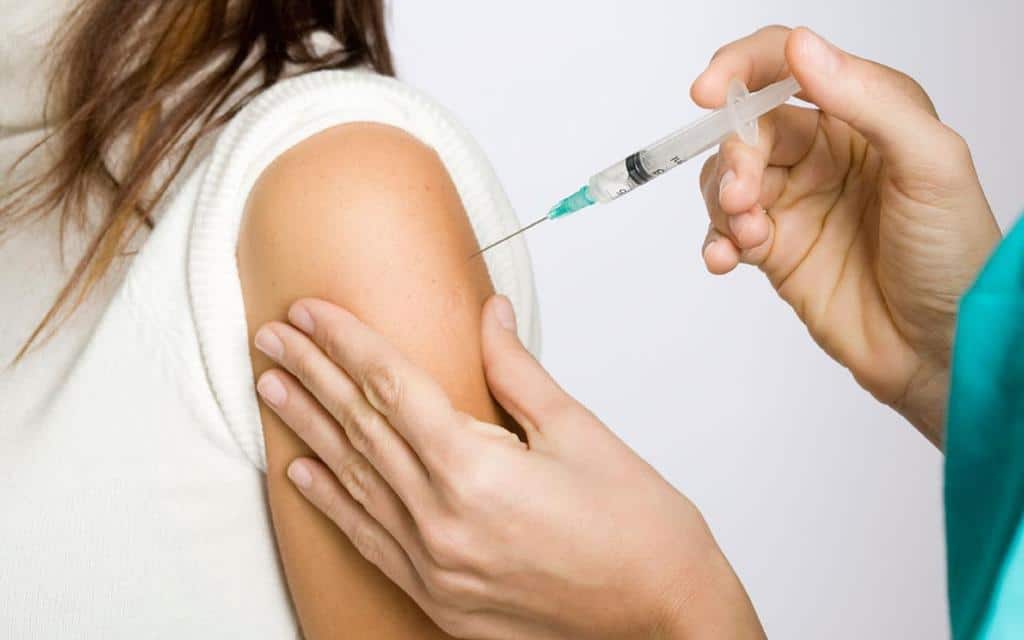
Vaccination is the most effective way to prevent yellow fever.
Travelers planning to visit Puerto Maldonado, Tambopata, and other areas of Madre de Dios should consult a travel health professional about receiving the yellow fever vaccine.
Who Should Get the Yellow Fever Vaccine?
International travel health recommendations generally advise vaccination for travelers aged nine months or older visiting areas of Peru where yellow fever transmission occurs.
The vaccine is particularly important for people planning activities in forested areas.
However, vaccination is not suitable for everyone.
Certain individuals may have an increased risk of serious vaccine-related complications, including:
- People with significant immune system deficiencies.
- Individuals receiving certain immunosuppressive treatments.
- People with certain thymus disorders.
- Individuals with severe allergies to vaccine components.
- Pregnant travelers.
- Some older travelers.
These circumstances require individualized medical assessment.
Peru’s national vaccination guidance generally covers eligible people between 15 months and 59 years of age. International travelers should discuss their individual circumstances with an appropriate healthcare professional.
When Should You Get Vaccinated?
Travelers should receive the yellow fever vaccine at least 10 days before entering a risk area.
This period allows the body to develop an effective immune response.
For example, someone planning to arrive in Puerto Maldonado on September 20 should ideally receive the vaccine by September 10 or earlier.
It is advisable to arrange vaccination several weeks before departure, especially if you need to consult a travel medicine specialist.
Do not wait until arriving in the Amazon to investigate vaccination options.
How Long Does Yellow Fever Vaccination Last?
A single properly administered yellow fever vaccine dose provides long-lasting protection for most people.
The World Health Organization recognizes one dose as sufficient for lifelong protection for most travelers.
An international certificate of vaccination generally becomes valid 10 days after primary vaccination.
Travelers should keep their vaccination documentation in a safe place and carry it when appropriate.
Yellow Fever Vaccination Requirements for Peru
Yellow fever vaccination is generally not a mandatory requirement for international entry into Peru.
However, vaccination is recommended for travelers visiting designated risk areas, including Madre de Dios.
This means there is an important difference between an entry requirement and a health recommendation.
Even if you are not required to show a yellow fever certificate when arriving in Peru, vaccination may still be strongly recommended for your Amazon itinerary.
Check current travel health requirements before departure because regulations and recommendations can change.
Travelers With Medical Conditions or Special Vaccination Considerations
People with certain medical conditions should seek professional advice before receiving the vaccine.
This is especially important for individuals with weakened immune systems, pregnancy, severe allergies, or other conditions that may affect vaccine safety.
In some situations, a medical professional may recommend avoiding vaccination and using alternative preventive measures.
These travelers should discuss the risks of visiting yellow fever transmission areas before confirming their itinerary.
Yellow Fever Symptoms and Warning Signs
Recognizing yellow fever symptoms is important for anyone visiting tropical regions.
The incubation period is generally three to six days after infection.
Some infected individuals experience no noticeable symptoms, while others develop an illness that can progress rapidly.
Early Symptoms of Yellow Fever
Initial symptoms may resemble other tropical infections.
Common signs include:
- Fever.
- Headache.
- Muscle pain.
- Back pain.
- Chills.
- Nausea.
- Vomiting.
- Loss of appetite.
- General weakness.
These symptoms can appear several days after exposure to an infected mosquito.
Because dengue, malaria, and other illnesses can produce similar symptoms, travelers should not attempt to diagnose themselves.
Anyone developing a fever after visiting the Peruvian Amazon should seek medical evaluation and explain their travel history.
Severe Yellow Fever Symptoms
In a smaller proportion of infected individuals, the disease progresses to a severe phase.
Warning signs can include:
- High fever.
- Yellowing of the skin and eyes.
- Severe abdominal discomfort.
- Persistent vomiting.
- Bleeding from the nose or gums.
- Blood in vomit or urine.
- Reduced urine production.
- Liver or kidney complications.
Severe yellow fever requires urgent medical attention.
The disease can be life-threatening, particularly when organ failure develops.
There is no specific routinely recommended antiviral treatment for yellow fever. Medical management focuses on supportive care and treating complications.
When Should You Seek Medical Attention?
Seek immediate medical attention if you develop fever, severe headache, muscle pain, persistent vomiting, jaundice, or unusual bleeding after visiting Puerto Maldonado or another Amazon destination.
Tell healthcare professionals exactly where you traveled and when you may have been exposed to mosquitoes.
Do not assume that symptoms are caused by ordinary flu, food poisoning, or travel fatigue.
Early medical evaluation is essential because some tropical diseases require urgent diagnosis and treatment.
How to Prevent Yellow Fever in Puerto Maldonado
Vaccination is the main preventive measure against yellow fever. However, avoiding mosquito bites remains important because several other mosquito-borne diseases occur in the Amazon region.
Travelers should combine vaccination advice with practical insect protection.
Use Effective Mosquito Repellent
Apply an effective insect repellent to exposed skin.
Products containing DEET are commonly recommended for travelers visiting tropical environments. The Peruvian health authorities advise using repellents containing approximately 15% to 25% DEET.
Follow the product instructions regarding application and reapplication.
Remember to:
- Apply repellent to exposed skin.
- Reapply according to the manufacturer’s instructions.
- Avoid contact with the eyes and mouth.
- Follow age-specific product recommendations.
- Apply sunscreen and insect repellent according to their instructions.
Repellent helps reduce mosquito bites but does not provide complete protection against infection.
Wear Protective Clothing
Appropriate clothing can help reduce exposed skin during rainforest activities.
Consider packing:
- Lightweight long-sleeved shirts.
- Long trousers.
- Comfortable closed shoes.
- Breathable socks.
- Lightweight outdoor clothing.
Light-colored clothing can also make mosquitoes easier to notice.
Choose comfortable fabrics suitable for the warm and humid Amazon climate.
Sleep Under Mosquito Nets
Mosquito nets can provide additional protection, particularly in accommodation without fully screened windows or air conditioning.
Before booking a rainforest lodge, ask about its mosquito protection arrangements.
Check that windows and doors have appropriate screens and that sleeping areas are protected.
A properly maintained mosquito net can help reduce exposure while resting.
Protect Yourself During Amazon Excursions
Visitors often participate in guided rainforest walks, boat trips, wildlife observation, and other outdoor activities.
During these excursions, follow the recommendations of your guides.
Use insect repellent before outdoor activities and wear clothing that covers exposed skin.
Avoid unnecessary contact with insects and do not rely exclusively on protective clothing or accommodation facilities.
Remember that mosquito exposure can happen in different environments throughout the day.
Reduce Mosquito Exposure Around Accommodation
Travelers staying in Puerto Maldonado or rainforest lodges should take simple precautions.
Keep doors and windows closed when possible, especially when insect screens are unavailable.
Remove standing water around accommodation when appropriate and avoid leaving containers where mosquitoes can breed.
Choose accommodation with good mosquito protection and follow local guidance.
Other Mosquito-Borne Diseases in Puerto Maldonado
Yellow fever is not the only mosquito-related health concern in the Peruvian Amazon.
Travelers should also understand other tropical diseases that may occur in the region.
Dengue
Dengue is a viral infection transmitted primarily by Aedes mosquitoes.
Symptoms may include fever, severe headache, muscle pain, joint pain, nausea, and skin rash.
Some cases develop severe complications involving bleeding or plasma leakage.
Avoiding mosquito bites is an important preventive measure.
Travelers should seek medical attention if they develop fever after visiting a dengue-risk area.
Malaria
Malaria is another important mosquito-borne disease in parts of the Peruvian Amazon.
It is caused by parasites transmitted through infected Anopheles mosquitoes.
Symptoms may include fever, chills, headache, sweating, and general weakness.
Unlike yellow fever, malaria has specific medications for prevention and treatment.
Travelers visiting areas where malaria transmission occurs should consult a healthcare professional about their itinerary and whether preventive medication is appropriate.
Other Tropical Health Risks
The Amazon environment presents several health considerations beyond mosquito-borne diseases.
Travelers should also consider:
- Food and water safety.
- Sun exposure.
- Dehydration.
- Heat exhaustion.
- Insect bites.
- Minor injuries during jungle excursions.
- Gastrointestinal infections.
Preparing appropriately can make a rainforest adventure safer and more comfortable.
What Should Travelers Do Before Visiting Puerto Maldonado?
Good preparation begins before departure.
Travelers should review their health requirements, vaccination history, and planned activities before arriving in Madre de Dios.
Prepare Your Travel Vaccinations
Consult a healthcare professional several weeks before your trip.
Discuss yellow fever vaccination and other recommended travel immunizations.
Your healthcare provider can assess your medical history, destination, and planned activities.
If you have already received a yellow fever vaccine, bring your vaccination record so that your healthcare professional can confirm your status.
Pack Essential Health and Insect Protection Supplies
A basic travel health kit can be useful during your Amazon adventure.
Consider packing:
- Insect repellent.
- Sunscreen.
- Long-sleeved clothing.
- Basic first-aid supplies.
- Personal prescription medications.
- Oral rehydration supplies.
- Hand sanitizer.
- A personal mosquito net if appropriate.
Pack products suitable for hot, humid conditions.
Consider Travel Insurance
Travel insurance can provide additional financial protection if you need medical attention during your trip.
Before purchasing a policy, review its coverage for emergency medical treatment, hospitalization, evacuation, and tropical illnesses.
Visitors planning remote rainforest excursions should pay particular attention to emergency transportation coverage.
Follow Health Precautions During Your Stay
Once you arrive in Puerto Maldonado, continue following preventive recommendations.
Use insect repellent, wear protective clothing, and follow the safety instructions provided by your accommodation and guides.
After returning from the Amazon, monitor your health for at least seven days.
If you develop fever or other concerning symptoms, seek medical attention and mention your recent travel to Madre de Dios.
Frequently Asked Questions About Puerto Maldonado Yellow Fever
1. Is there yellow fever in Puerto Maldonado, Peru?
Puerto Maldonado is located in Madre de Dios, a region officially recognized as an area with yellow fever transmission risk. However, this does not mean that every visitor will encounter infected mosquitoes or that an outbreak is occurring in the city. Travelers should follow vaccination recommendations and mosquito prevention measures.
2. Do I need a yellow fever vaccine to visit Puerto Maldonado?
Yellow fever vaccination is recommended for travelers visiting risk areas in Madre de Dios. International travel health guidance recommends vaccination for eligible travelers aged nine months or older. Individual medical circumstances should be evaluated before vaccination.
3. Is yellow fever vaccination mandatory to enter Peru?
Yellow fever vaccination is generally not required for international entry into Peru. However, vaccination is recommended for visitors traveling to designated Amazon risk areas, including Madre de Dios. Travelers should verify current requirements before departure.
4. How many days before traveling should I get vaccinated?
The yellow fever vaccine should be administered at least 10 days before entering a risk area. This allows sufficient time for immunity to develop. Ideally, arrange your vaccination several weeks before departure.
5. Can I visit Tambopata without a yellow fever vaccine?
Travelers may be able to visit Tambopata without being asked to present a vaccination certificate for entry into Peru. However, Tambopata is located in Madre de Dios, where yellow fever vaccination is recommended. Consult a travel health professional before deciding to travel unvaccinated.
6. What are the first symptoms of yellow fever?
Initial symptoms include fever, headache, muscle pain, back pain, chills, nausea, vomiting, and weakness. Symptoms generally appear three to six days after infection. Anyone developing these symptoms after visiting a risk area should seek medical evaluation.
7. How long does yellow fever vaccination protect you?
One properly administered yellow fever vaccine dose provides lifelong protection for most people. An international vaccination certificate generally becomes valid 10 days after the first dose.
8. Can mosquito repellent prevent yellow fever?
Mosquito repellent helps reduce the risk of mosquito bites but does not guarantee protection against yellow fever. Vaccination remains the most effective preventive measure. Combining vaccination with repellent, protective clothing, and mosquito nets provides additional protection.
9. Is yellow fever dangerous for tourists?
Yellow fever can be serious and occasionally life-threatening. Although many infected people experience mild or no symptoms, severe cases can cause liver damage, kidney complications, bleeding, and organ failure. Proper vaccination and mosquito prevention are important for travelers visiting risk areas.
10. What should I do if I develop a fever after visiting the Amazon?
Seek medical attention promptly. Inform healthcare professionals that you recently visited Puerto Maldonado or other areas of the Peruvian Amazon. Fever may be associated with several tropical infections, including yellow fever, dengue, and malaria, which require appropriate medical assessment.
Conclusion: Staying Safe From Yellow Fever in Puerto Maldonado
Puerto Maldonado offers extraordinary opportunities to experience the Peruvian Amazon, from rainforest wildlife observation to river excursions and visits to Tambopata National Reserve. However, travelers should understand the health precautions associated with visiting this tropical region.
Yellow fever is an important consideration because Madre de Dios is classified as an area with transmission risk. Before traveling, consult a healthcare professional about vaccination, ideally receiving the vaccine at least 10 days before entering a risk area.
During your stay, use effective mosquito repellent, wear protective clothing, sleep in appropriately protected accommodation, and follow local health recommendations.
Remember that vaccination against yellow fever does not protect against other mosquito-borne diseases, such as dengue and malaria.
With appropriate preparation, preventive measures, and awareness of potential symptoms, visitors can enjoy their Puerto Maldonado and Amazon rainforest experience while making informed decisions about their health and safety.