
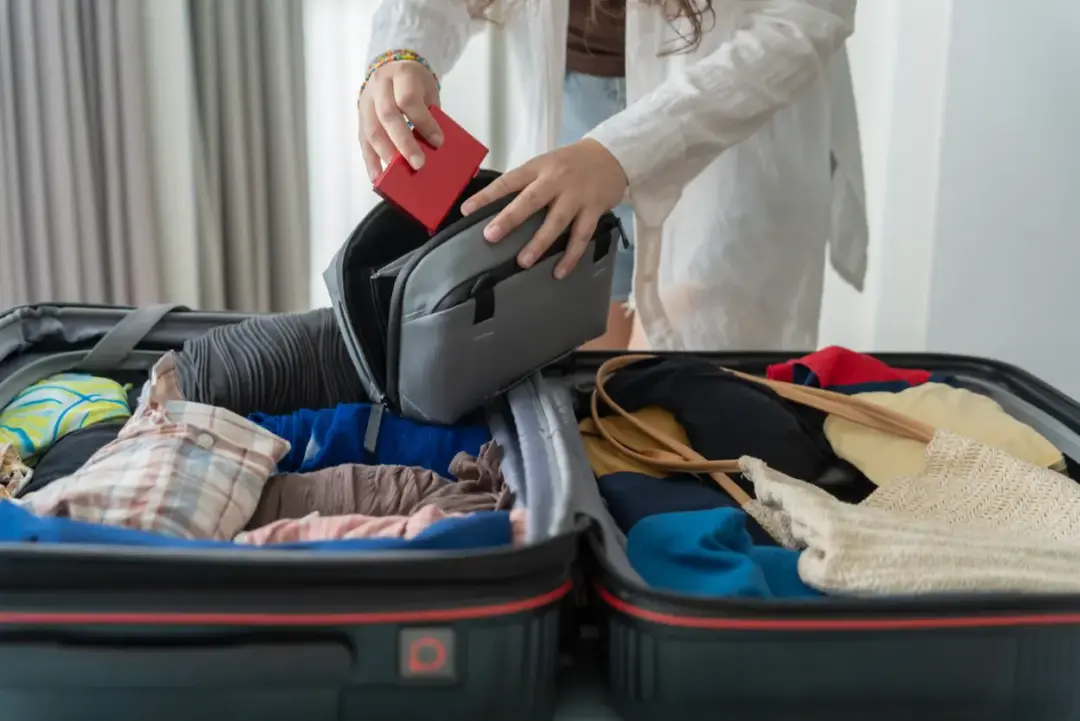
Planning an adventure in the Amazon rainforest is an exciting opportunity to discover one of the world’s most extraordinary natural environments. However, preparing for this experience requires more than packing a few comfortable clothes. The tropical climate, high humidity, frequent rainfall, insects, muddy trails, and outdoor activities make choosing the right equipment essential.
Whether you are planning a wildlife adventure, exploring jungle trails, visiting remote rainforest lodges, enjoying river excursions, or discovering the Peruvian Amazon, having a well-organized Amazon rainforest packing list will make your journey more comfortable and enjoyable.
The secret is to pack lightweight, practical, and versatile items that protect you from the elements without carrying unnecessary luggage.
In this comprehensive guide, you will discover everything you need to bring, including appropriate clothing, footwear, insect protection, toiletries, travel accessories, photography equipment, and essential items for different Amazon rainforest activities.
1. Understanding the Amazon Rainforest Climate Before Packing
Before choosing what to bring, it is important to understand the environmental conditions you will experience.
Table of Contents
The Amazon rainforest has a tropical climate characterized by warm temperatures, high humidity, frequent rainfall, and relatively consistent daytime warmth throughout the year. However, weather conditions vary depending on the destination and season.
Hot and Humid Weather Conditions
Temperatures in many Amazon destinations can remain warm throughout the day. Combined with high humidity, this means your clothing should allow air circulation and dry relatively quickly.
Cotton clothing may feel comfortable initially, but it can remain wet for extended periods after sweating or getting caught in the rain.
Lightweight synthetic fabrics and breathable outdoor clothing are generally more practical for jungle adventures.
Rainy Season and Dry Season
The Amazon experiences seasonal changes that influence travel conditions.
During the rainy season, trails can become muddy, rivers may rise, and sudden showers can occur. Waterproof bags, rain jackets, and appropriate footwear become especially useful.
During relatively drier periods, jungle trails may be easier to explore, although humidity, insects, and occasional rainfall remain part of the rainforest environment.
Why Lightweight and Quick-Drying Clothing Matters
Quick-drying clothing is among the most useful items for Amazon rainforest travel.
It helps you remain comfortable after walking, sweating, or experiencing tropical showers. Packing several lightweight outfits is usually more practical than carrying heavy clothing that takes a long time to dry.
2. Essential Clothing for the Amazon Rainforest
Choosing appropriate clothing is one of the most important parts of preparing for an Amazon adventure.
Your outfits should protect your skin, provide comfort during outdoor activities, and remain practical in warm and humid conditions.
Lightweight Long-Sleeved Shirts
Long-sleeved shirts are highly recommended for jungle excursions.
They help protect your arms from insects, direct sunlight, and scratches from vegetation.
Choose breathable, lightweight materials that allow air circulation. Neutral colors such as beige, olive green, and light brown are practical options for wildlife observation.
Bring approximately two or three shirts for a short rainforest adventure.
Comfortable Long Pants
Long hiking pants provide additional protection while walking through vegetation and exploring jungle trails.
Lightweight outdoor trousers are preferable because they are easier to move in and dry faster than heavy jeans.
Avoid tight or thick clothing that can become uncomfortable in humid weather.
Two or three pairs should generally be sufficient for a three-day Amazon trip.
Breathable T-Shirts and Shorts
Although long clothing is recommended during many jungle activities, comfortable T-shirts and shorts are useful when relaxing at your accommodation.
They are particularly practical during free time, after returning from excursions, or when spending time around a jungle lodge.
Bring one or two lightweight options.
Waterproof Jacket and Rain Protection
Rainfall is a natural part of the Amazon environment, so carrying rain protection is essential.
A lightweight waterproof jacket can help you remain comfortable during unexpected showers.
A compact rain poncho is another useful option because it can cover both your body and part of your backpack.
Underwear and Moisture-Wicking Socks
Bring enough underwear for your trip, plus an additional set in case of unexpected rain.
Moisture-wicking socks help manage perspiration and improve comfort during long walks.
Consider packing four pairs for a three-day trip.
Sleepwear and Comfortable Evening Clothing
Bring lightweight sleepwear for your accommodation.
A comfortable outfit for evenings is also useful, especially after returning from outdoor excursions.
Remember that jungle lodges can have different accommodation conditions, so choose clothing appropriate for your lodging arrangements.
3. Best Shoes for Amazon Rainforest Adventures
Footwear can make a significant difference to your comfort and safety during jungle activities.
The correct shoes depend on the trails, weather, and excursions included in your itinerary.
Rubber Boots for Muddy Jungle Trails
Rubber boots are particularly useful when exploring muddy trails, wet vegetation, and areas with standing water.
Many Amazon rainforest lodges provide rubber boots for guided excursions, which means you may not need to bring your own.
Before traveling, ask your accommodation or tour operator whether boots are included and whether they provide appropriate sizes.
Comfortable Hiking Shoes
A pair of comfortable hiking shoes is useful for walking on firmer trails and exploring areas where rubber boots are unnecessary.
Choose shoes with good traction and a comfortable fit.
Avoid wearing brand-new footwear for the first time during a jungle excursion because it may cause blisters.
Sandals for Relaxing at the Lodge
Lightweight sandals are convenient when relaxing at your accommodation.
They are useful after returning from excursions, particularly when you want to change out of muddy or wet footwear.
Avoid using open sandals for jungle hiking because they provide limited protection against insects, sharp vegetation, and uneven surfaces.
Choosing the Right Socks
Pack breathable socks that help reduce moisture buildup.
Avoid wearing damp socks for extended periods because prolonged moisture can contribute to skin irritation and blisters.
Having an additional dry pair available is always useful.
4. Insect Protection and Personal Safety Essentials
Insects are a natural part of rainforest ecosystems. Preparing appropriate protection will make outdoor activities more comfortable.
Mosquito Repellent
Mosquito repellent is one of the most important items on your Amazon rainforest packing list.
Choose an effective repellent suitable for tropical travel and follow its application instructions.
Depending on the product, active ingredients such as DEET or picaridin may provide protection against biting insects.
Apply repellent according to the label, particularly before outdoor activities and during periods when mosquitoes are more active.
Sunscreen and Sun Protection
Even beneath rainforest vegetation, you can experience considerable sun exposure during boat excursions, river activities, and open areas.
Bring broad-spectrum sunscreen with SPF 30 or higher.
A wide-brimmed hat and sunglasses are also useful for protecting yourself from direct sunlight.
Personal First Aid Kit
A small first aid kit is practical for outdoor adventures.
Consider including:
- Adhesive bandages.
- Blister protection.
- Antiseptic wipes.
- Gauze and medical tape.
- Personal pain relief medication.
- Antihistamine if appropriate for you.
- Any prescribed medication.
For longer trips, consult a healthcare professional about destination-specific precautions and recommended travel vaccinations.
Additional Protection for Jungle Activities
Avoid touching unfamiliar plants, insects, or wildlife.
Follow your professional guide’s instructions, remain on designated trails, and wear appropriate clothing during excursions.
These simple precautions help reduce unnecessary risks while allowing you to enjoy the rainforest responsibly.
5. Toiletries and Personal Care Products
Personal hygiene products are essential, especially when traveling in remote areas where shops and services may be limited.
Biodegradable Soap and Shampoo
Bring small containers of soap and shampoo to reduce luggage weight.
Biodegradable products can be a useful choice for responsible travel, but they should still be used away from rivers, lakes, and natural water sources.
Never assume that a biodegradable product is harmless to aquatic ecosystems.
Toothbrush and Toothpaste
Pack your toothbrush, toothpaste, dental floss, and other personal hygiene products.
Travel-sized containers help save space.
Quick-Drying Towel
A lightweight microfiber towel is practical because it dries faster than many conventional towels.
It takes up little space and is convenient for overnight stays in rainforest lodges.
Hand Sanitizer and Wet Wipes
Hand sanitizer is useful when soap and clean running water are unavailable.
Wet wipes can also help during long excursions, although reusable cleaning alternatives are preferable when practical.
Always carry a small bag for disposing of personal waste.
Other Personal Hygiene Essentials
Depending on your needs, consider bringing:
- Deodorant.
- Personal hygiene products.
- Lip balm.
- Hairbrush or comb.
- Small nail clippers.
- Contact lenses and solution.
- Prescription medication.
6. Travel Gear and Accessories for the Amazon Jungle
The right accessories help protect your belongings and make daily excursions more convenient.
Waterproof Backpack and Dry Bags
A small waterproof backpack is ideal for carrying personal belongings during excursions.
Alternatively, use a regular backpack with waterproof protection.
Dry bags are especially useful for protecting electronics, clothing, travel documents, and other valuables during boat trips or heavy rainfall.
Reusable Water Bottle
Bring a reusable water bottle to stay hydrated during outdoor activities.
High temperatures and humidity can increase your fluid requirements.
Follow your lodge’s or guide’s recommendations regarding safe drinking water. Use treated or properly purified water rather than drinking directly from rivers or streams.
Flashlight or Headlamp
A flashlight or headlamp is particularly useful for nighttime activities and moving around accommodation areas after dark.
Choose a lightweight model and bring extra batteries or ensure it is fully charged before departure.
Power Bank and Extra Batteries
Remote rainforest accommodations may have limited charging facilities or scheduled electricity availability.
A power bank can help keep your phone, camera, and other devices charged.
Bring additional camera batteries if you plan to photograph wildlife extensively.
Waterproof Phone Case
A waterproof phone case provides additional protection against rain, splashes, and moisture.
It is particularly convenient during boat excursions and outdoor activities.
Travel Documents and Money Protection
Keep your essential documents in a waterproof pouch.
Important items include:
- Passport.
- Travel insurance information.
- Tour reservation details.
- Emergency contact information.
- Payment cards.
- Some local currency.
It is also advisable to keep digital copies of important travel documents.
7. Photography and Wildlife Observation Equipment
The Amazon rainforest is an extraordinary destination for nature lovers, photographers, and wildlife enthusiasts.
Bringing suitable equipment can help you appreciate and document its incredible biodiversity.
Binoculars for Wildlife Watching
Binoculars are highly recommended for observing birds, monkeys, and other animals.
Many rainforest species remain high in the forest canopy or at a distance, making binoculars extremely useful.
Choose a lightweight pair that is comfortable to carry during guided excursions.
Camera and Photography Accessories
If you enjoy photography, bring a camera suitable for outdoor conditions.
A telephoto lens can be particularly useful for capturing wildlife from a respectful distance.
A protective camera bag helps prevent damage from moisture and accidental splashes.
Extra Memory Cards and Batteries
Wildlife encounters can happen unexpectedly, so having additional memory cards and batteries is useful.
You do not want to miss an opportunity to photograph a colorful macaw, a toucan, a monkey, or another fascinating rainforest animal because your equipment is out of storage or power.
Waterproof Protection for Electronics
Humidity and rain can affect sensitive equipment.
Use protective cases, dry bags, and moisture-resistant storage solutions whenever possible.
Avoid leaving electronics exposed to direct rainfall or humid conditions for extended periods.
8. What to Pack for Different Amazon Rainforest Activities
Your packing requirements may change depending on the activities included in your itinerary.
Packing for Jungle Hiking
For guided jungle walks, prioritize:
- Long-sleeved shirts.
- Lightweight long pants.
- Comfortable socks.
- Appropriate hiking shoes or rubber boots.
- Insect repellent.
- Water bottle.
- Small backpack.
- Rain protection.
Your guide can recommend the most suitable footwear depending on trail conditions.
Packing for River Excursions
Boat trips require practical clothing and protection against rain and splashes.
Bring a lightweight shirt, sunglasses, sunscreen, a hat, and waterproof protection for your belongings.
A camera or binoculars can make river excursions particularly rewarding for observing birds and other wildlife.
Packing for Night Walks
Night walks provide opportunities to discover nocturnal rainforest species, including frogs, insects, spiders, and other fascinating animals.
Bring:
- Flashlight or headlamp.
- Long-sleeved clothing.
- Long pants.
- Closed footwear.
- Insect repellent.
Always follow your guide’s instructions and avoid touching wildlife.
Packing for Birdwatching and Wildlife Observation
Birdwatchers should consider bringing binoculars, a camera with a suitable zoom lens, comfortable clothing, and a small notebook.
Neutral-colored clothing can help you blend more naturally into the surroundings.
Patience is important because observing wildlife often requires remaining quiet and still.
Packing for Overnight Jungle Lodge Stays
For overnight rainforest accommodation, bring comfortable clothing, toiletries, sleepwear, insect repellent, and a flashlight.
Check whether your lodge provides towels, bedding, rubber boots, drinking water, and other essential amenities.
Knowing what is included can help you avoid carrying unnecessary equipment.
9. Amazon Rainforest Packing List for Different Travelers
Not every traveler has the same needs. Your packing list should reflect your activities, comfort requirements, and travel experience.
Packing List for Families with Children
Families should prioritize comfort, hygiene, and additional protection.
Useful items include:
- Extra clothing.
- Child-appropriate insect repellent.
- Sunscreen suitable for children.
- Personal medications.
- Comfortable footwear.
- Reusable water bottles.
- Snacks for appropriate travel situations.
- Basic first aid supplies.
Choose activities suitable for children’s ages and follow the recommendations of your guide.
Packing List for Senior Travelers
Senior travelers may benefit from packing fewer items and prioritizing comfort.
Consider bringing:
- Comfortable walking shoes.
- Lightweight clothing.
- Personal medications.
- Sun protection.
- Insect repellent.
- A small water bottle.
- Personal mobility accessories if needed.
For travelers who prefer less physically demanding activities, it is useful to select an itinerary with shorter walks, accessible accommodation, and appropriate transportation.
Packing List for Photographers and Birdwatchers
Nature photographers and birdwatchers may need additional equipment.
Consider bringing binoculars, camera lenses, spare batteries, memory cards, protective camera bags, and a lightweight tripod if appropriate.
However, avoid carrying excessive equipment during long walks.
Packing List for First-Time Amazon Visitors
First-time visitors should focus on essential items rather than purchasing specialized equipment for every possible activity.
Comfortable clothing, insect protection, rain protection, appropriate footwear, personal hygiene supplies, and travel documents are usually the most important priorities.
Your accommodation and tour operator can help identify additional items required for your specific itinerary.
10. What NOT to Bring to the Amazon Rainforest
Packing efficiently is just as important as choosing the right items.
Some belongings may add unnecessary weight without providing meaningful benefits.
Unnecessary Heavy Clothing
Avoid packing thick jackets, heavy jeans, and multiple bulky outfits.
The Amazon’s warm and humid climate generally makes lightweight clothing more practical.
Expensive Jewelry and Valuables
Leave unnecessary jewelry, expensive watches, and valuable accessories at home.
Keeping your belongings simple reduces the risk of loss or damage.
Excessive Luggage
Large suitcases can become inconvenient when traveling between airports, river transportation, and remote jungle accommodations.
A compact suitcase or travel backpack combined with a small daypack is often more practical.
Unnecessary Single-Use Plastics
Avoid bringing excessive disposable plastic products.
Reusable bottles, reusable bags, and appropriate waste containers are more environmentally responsible choices.
Remember that protecting the Amazon rainforest also means reducing the waste generated during your visit.
11. How to Pack for a 3-Day Amazon Rainforest Tour
A three-day, two-night Amazon rainforest adventure is a popular option for travelers who want to experience several rainforest activities without spending too much time away from their main travel itinerary.
For this type of trip, you generally do not need a large amount of luggage.
The following checklist provides a practical starting point.
Clothing and Footwear Checklist
- 3 lightweight shirts.
- 2 or 3 pairs of long pants.
- 1 or 2 comfortable T-shirts.
- 3 or 4 pairs of underwear.
- 3 or 4 pairs of socks.
- 1 set of sleepwear.
- 1 lightweight waterproof jacket.
- 1 pair of comfortable shoes.
- 1 pair of sandals.
Personal Care and Insect Protection
- Mosquito repellent.
- Sunscreen.
- Toothbrush and toothpaste.
- Deodorant.
- Personal medication.
- Small first aid kit.
- Hand sanitizer.
- Quick-drying towel.
Essential Travel Accessories
- Small backpack.
- Waterproof bags.
- Reusable water bottle.
- Flashlight.
- Power bank.
- Phone and charging cable.
- Sunglasses.
- Hat.
- Passport and travel documents.
Organizing Your Backpack
Separate your belongings into different waterproof bags.
Keep frequently used items, such as sunscreen, insect repellent, and your water bottle, easily accessible.
Store clean clothing separately from wet or muddy items.
Most importantly, confirm what your jungle lodge provides before packing. Some accommodations include rubber boots, towels, drinking water, and other essentials.
12. Practical Tips for Packing for the Amazon Rainforest
A little preparation can make a significant difference to your overall travel experience.
Pack Light and Bring Only What You Need
Prioritize versatile clothing and essential accessories.
Choose items that can be used for several activities rather than carrying separate outfits for every excursion.
Protect Your Belongings from Rain and Humidity
Waterproof bags are among the most practical accessories for Amazon travel.
Protect your documents, electronics, and spare clothing, even when the weather appears sunny.
Choose Neutral Clothing Colors
Earthy colors such as olive green, beige, and brown are practical for wildlife observation.
Avoid relying exclusively on bright clothing, particularly when participating in birdwatching or other activities that require quiet observation.
Check What Your Jungle Lodge Provides
Before departure, contact your accommodation or tour operator.
Ask whether they provide rubber boots, towels, rain protection, drinking water, flashlights, or other necessary equipment.
This can help you save luggage space and avoid purchasing items you do not need.
Prepare for Changing Weather Conditions
Even during relatively dry periods, unexpected rainfall can occur.
Always carry basic rain protection and keep an extra dry outfit available.
Flexibility is one of the most useful things you can bring to an Amazon adventure.
Frequently Asked Questions About the Amazon Rainforest Packing List
What should I pack for the Amazon rainforest?
Pack lightweight clothing, long-sleeved shirts, long pants, comfortable footwear, insect repellent, sunscreen, a waterproof jacket, toiletries, a reusable water bottle, and a small backpack. A flashlight, personal medication, and waterproof bags are also useful.
What clothes are best for the Amazon jungle?
Lightweight, breathable, and quick-drying clothing is generally the best choice. Long-sleeved shirts and long pants provide additional protection against insects, vegetation, and sun exposure during outdoor activities.
Do I need rubber boots for the Amazon rainforest?
Rubber boots are useful for muddy jungle trails and wet conditions. However, many Amazon rainforest lodges provide them for guided excursions. Check with your accommodation before purchasing or packing your own pair.
Should I bring a raincoat to the Amazon?
Yes. A lightweight waterproof jacket or rain poncho is recommended because tropical rainfall can occur unexpectedly. Waterproof protection is especially important during jungle walks and outdoor excursions.
How many clothes should I pack for a three-day Amazon tour?
For a three-day, two-night adventure, approximately three lightweight shirts, two or three pairs of long pants, three or four sets of underwear, and sufficient socks are generally practical. Include an additional outfit in case your clothing becomes wet.
Do I need mosquito repellent in the Amazon rainforest?
Yes. Mosquito repellent is an important travel essential. Choose a product suitable for tropical environments, follow its application instructions, and combine it with appropriate clothing that covers your arms and legs.
Can I wear shorts in the Amazon jungle?
You can wear shorts around your accommodation or during certain activities, but long pants are generally recommended for guided jungle walks because they provide additional protection against insects and vegetation.
What shoes are best for walking in the Amazon rainforest?
Comfortable hiking shoes with good traction are useful for many trails. Rubber boots are often better for muddy and wet conditions. The best option depends on the destination, weather, and activities included in your tour.
What should I pack for an Amazon rainforest lodge?
Bring lightweight clothing, toiletries, insect repellent, sunscreen, personal medication, comfortable footwear, a flashlight, and a small backpack. Check whether the lodge provides towels, rubber boots, and other essential equipment.
What should I bring for Amazon wildlife photography?
Bring a camera with a suitable zoom lens, binoculars, extra batteries, memory cards, and waterproof protection. A telephoto lens is particularly useful for photographing birds and animals from a respectful distance.
Final Thoughts: Prepare Well and Enjoy Your Amazon Rainforest Adventure
Preparing the right Amazon rainforest packing list is an important step toward enjoying a comfortable and memorable jungle adventure.
The most important priorities are lightweight clothing, suitable footwear, insect protection, rain protection, personal hygiene products, and a few practical travel accessories.
You do not need to bring expensive equipment or excessive luggage to experience the incredible beauty of the Amazon.
Whether you are exploring the rainforest in Peru, discovering the wildlife of Tambopata, visiting Lake Sandoval, enjoying river excursions, or staying at a remote jungle lodge, packing thoughtfully will help you focus on what truly matters: discovering the extraordinary biodiversity, natural landscapes, and unforgettable experiences of the Amazon rainforest.
Travel light, respect nature, follow your professional guide’s recommendations, and prepare yourself for an incredible adventure in one of the world’s most fascinating ecosystems.