
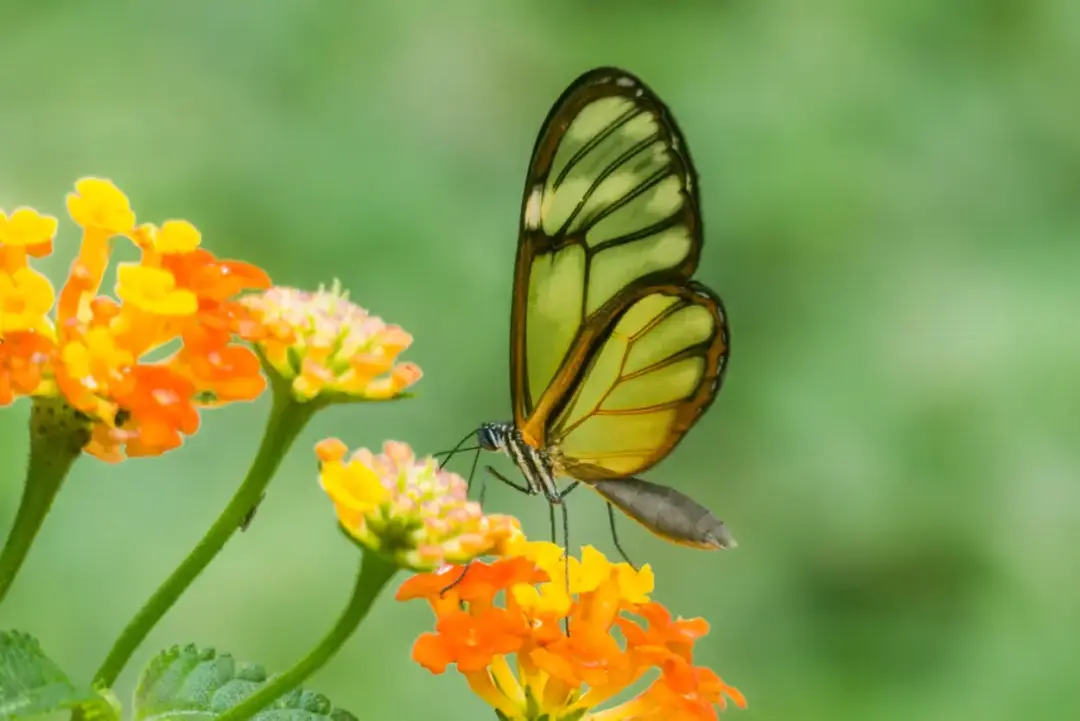
Amazon rainforest butterflies are among the most fascinating insects in the natural world, displaying extraordinary colors, remarkable wing patterns, and impressive survival adaptations. Throughout the Amazon Basin, thousands of butterfly species inhabit tropical forests, riverbanks, forest clearings, and flowering gardens. These delicate creatures contribute to rainforest biodiversity through pollination, serve as food for other wildlife, and play an important role in maintaining healthy tropical ecosystems.
From the brilliant blue wings of the morpho butterfly to the transparent wings of the glasswing butterfly, the Amazon offers an incredible variety of species for nature enthusiasts, wildlife photographers, and travelers interested in tropical biodiversity.
Beyond their beautiful appearance, butterflies have fascinating biological characteristics. Their life cycles, feeding habits, camouflage techniques, and relationships with rainforest plants make them an essential part of the Amazon’s ecological balance.
How Many Butterfly Species Live in the Amazon Rainforest?
The Amazon rainforest is one of the richest environments on Earth for butterfly diversity. The wider Amazon region contains thousands of butterfly species, although exact numbers vary depending on geographical boundaries, research methods, and new species discoveries.
Table of Contents
Its tropical climate, abundant vegetation, and enormous variety of flowering plants create ideal conditions for butterflies to reproduce and develop.
The Extraordinary Diversity of Amazonian Butterflies
Amazonian butterflies belong to several biological families, including Nymphalidae, Papilionidae, Pieridae, Lycaenidae, Riodinidae, and Hesperiidae.
Each family contains species with distinctive physical characteristics, feeding preferences, and behaviors.
Some butterflies are recognized for their enormous wings, while others have transparent surfaces, bright warning colors, or intricate patterns that help them avoid predators.
The diversity of butterfly species also reflects the complexity of the Amazon rainforest. Different species occupy particular habitats and depend on specific plants during their development.
Why the Amazon Is Ideal for Butterfly Diversity
Warm temperatures, high humidity, abundant rainfall, and continuous plant growth create favorable conditions for many tropical butterflies.
The rainforest provides different ecological environments, including:
- Dense tropical vegetation.
- Flowering trees and shrubs.
- Riverbanks and sandy beaches.
- Forest clearings exposed to sunlight.
- Moist forest floors.
- Natural gardens and fruiting trees.
These habitats provide food, shelter, breeding areas, and suitable host plants for different butterfly species.
Most Beautiful Butterflies in the Amazon Rainforest
The Amazon rainforest contains some of the most visually spectacular butterflies on the planet. Their wings display brilliant blues, oranges, yellows, reds, greens, and intricate combinations of contrasting patterns.
Blue Morpho Butterfly
The blue morpho is one of the most recognizable butterflies in tropical South America. Its large wings display an extraordinary metallic-looking blue appearance that becomes especially impressive when sunlight reflects from their surfaces.
Interestingly, the intense blue coloration is not primarily produced by blue pigments. Instead, microscopic structures on the wings reflect and scatter light, creating an optical effect known as structural coloration.
When flying through the rainforest, blue morphos often appear and disappear between patches of sunlight and shade.
Giant Owl Butterfly
The giant owl butterfly is famous for the large circular markings on its wings, which resemble the eyes of an owl.
These markings are known as eyespots and may help discourage predators by creating the impression of a much larger animal.
Its brown and cream coloration also provides camouflage against tree trunks, fallen leaves, and shaded vegetation.
Owl butterflies are particularly interesting because their appearance demonstrates how insects use visual patterns to survive in environments filled with predators.
Glasswing Butterfly
Glasswing butterflies are among the most unusual butterflies in tropical America.
Their wings contain large transparent areas that allow light to pass through, making them difficult to detect against certain backgrounds.
This natural adaptation provides an effective form of camouflage, particularly when these butterflies move through vegetation.
Glasswing butterflies belong to the genus Greta and demonstrate how transparency can become an important survival strategy in the natural world.
Julia Butterfly
The Julia butterfly is recognized by its elongated wings and vivid orange coloration.
It is a fast-flying tropical butterfly that commonly visits flowering plants in sunny forest openings and gardens.
Its bright appearance makes it particularly attractive to wildlife photographers and butterfly enthusiasts.
Postman Butterfly
Postman butterflies belong to the genus Heliconius and are known for their distinctive combinations of red, orange, yellow, and black markings.
These butterflies are especially interesting because many species contain chemical defenses that make them unpleasant or toxic to potential predators.
Some species also participate in mimicry systems, where different butterflies develop similar warning patterns.
Where Do Amazon Rainforest Butterflies Live?
Butterflies occupy several different environments throughout the Amazon rainforest. Their distribution depends on temperature, sunlight, vegetation, food availability, and the presence of suitable host plants.
Butterfly Habitats in the Forest Canopy
The forest canopy provides an important habitat for butterflies that prefer sunlight and flowering trees.
Some species fly between treetops, visit flowers, and feed on ripe fruits growing high above the forest floor.
The canopy also offers access to different vegetation layers and feeding opportunities.
The Rainforest Understory and Forest Floor
Other butterflies prefer shaded environments beneath the main canopy.
The understory contains shrubs, young trees, fallen fruits, and decaying vegetation that support different butterfly species.
Some butterflies visit the forest floor to obtain minerals and nutrients from moist soil.
Riverbanks, Clearings, and Flowering Gardens
Riverbanks and natural clearings are excellent environments for butterfly observation.
Sunlight encourages the growth of flowering plants, while exposed areas provide warm resting places.
Along Amazonian rivers, visitors may observe butterflies gathering around wet sand, muddy surfaces, and decomposing organic material.
Butterfly Diversity in the Peruvian Amazon
The Peruvian Amazon is an excellent region for observing tropical butterfly diversity.
Areas within Madre de Dios, particularly the forests surrounding Tambopata, contain a variety of habitats suitable for butterflies.
Forest trails, flowering gardens, riverbanks, and natural clearings provide opportunities to observe different species in their natural environments.
What Do Amazon Rainforest Butterflies Eat?
Butterflies have different feeding preferences depending on their species and life stage.
Adult butterflies generally consume liquids rather than solid food because their mouthparts are adapted for drinking.
Flower Nectar and Natural Sugars
Flower nectar is an important source of energy for many adult butterflies.
Using a specialized feeding structure called a proboscis, butterflies collect nectar from flowering plants.
The proboscis works like a flexible drinking tube that can extend into flowers to reach available nectar.
While feeding, butterflies may transfer pollen between flowers, contributing to plant reproduction.
Ripe Fruits and Fermenting Vegetation
Many tropical butterflies also visit fallen fruits.
Overripe bananas, papayas, mangoes, and other fermenting fruits release sugary liquids that attract different species.
These feeding opportunities are particularly important for butterflies that prefer fruit juices instead of flower nectar.
Mud Puddling and Mineral Consumption
One of the most fascinating butterfly behaviors is mud puddling.
During this activity, butterflies gather around wet soil, muddy riverbanks, and shallow puddles to obtain dissolved minerals.
Male butterflies frequently display this behavior, collecting nutrients such as sodium that may contribute to reproduction.
Groups of colorful butterflies gathering together on moist sand can create one of the most beautiful wildlife scenes in the Amazon.
The Life Cycle of Amazon Rainforest Butterflies
Butterflies experience complete metamorphosis, a biological process involving four distinct stages: egg, caterpillar, pupa, and adult.
Each stage has a different appearance, function, and nutritional requirement.
Eggs and Host Plants
The life cycle begins when a female butterfly lays eggs on suitable host plants.
These plants are particularly important because newly hatched caterpillars depend on them for food.
Some butterfly species are highly selective and use only particular plant groups for reproduction.
Caterpillar Development
After hatching, the caterpillar begins feeding on leaves.
During this stage, it grows rapidly and sheds its outer skin several times.
Caterpillars may have different protective characteristics, including spines, camouflage, bright colors, and chemical defenses.
Chrysalis and Metamorphosis
When the caterpillar reaches its final developmental stage, it forms a pupa, commonly called a chrysalis.
Inside this protective structure, its body undergoes remarkable biological changes.
The transformation involves the development of wings, legs, antennae, and other adult structures.
Adult Butterfly Emergence
Once metamorphosis is complete, the adult butterfly emerges.
Its wings initially remain soft and folded. The butterfly gradually expands them by pumping fluid into their veins before allowing them to dry and harden.
After this process, it becomes capable of flying, feeding, and eventually reproducing.
Amazing Adaptations of Amazonian Butterflies
The Amazon rainforest contains predators, changing weather conditions, and intense competition for resources. Butterflies have developed numerous adaptations to improve their chances of survival.
Bright Colors and Warning Signals
Some butterfly species have bright colors that warn predators about unpleasant tastes or chemical defenses.
This biological strategy is known as aposematism.
Red, orange, and yellow markings are particularly common warning colors among different tropical butterfly groups.
Camouflage and Mimicry
Camouflage allows butterflies to blend into their surroundings.
Brown wings may resemble dead leaves, while intricate patterns can make butterflies difficult to distinguish against tree bark.
Mimicry provides another form of protection.
Some harmless species resemble butterflies with chemical defenses, reducing the likelihood of being attacked by predators.
Transparent Wings and Natural Protection
Glasswing butterflies demonstrate an unusual adaptation through their transparent wing surfaces.
Because their wings allow much of the background to remain visible, they can become difficult to detect among leaves and vegetation.
Survival Strategies Against Predators
Butterflies face threats from birds, spiders, lizards, frogs, and other insect-eating animals.
Their defenses include:
- Camouflage and protective coloration.
- Warning patterns.
- Chemical defenses.
- Rapid and unpredictable flight.
- Eyespots that confuse predators.
- Mimicry of other butterfly species.
These adaptations demonstrate how small insects can develop complex survival strategies within tropical ecosystems.
Why Are Butterflies Important to the Amazon Ecosystem?
Butterflies contribute to the ecological balance of the Amazon rainforest in several important ways.
Pollination and Plant Reproduction
When butterflies visit flowers to collect nectar, pollen can attach to their bodies and be transported to other flowers.
Although they are not the only or primary pollinators for many tropical plants, they contribute to pollination and help maintain plant diversity.
Food Sources for Rainforest Wildlife
Butterflies and their caterpillars are important food sources for numerous rainforest animals.
Birds, amphibians, reptiles, spiders, and predatory insects consume different butterfly life stages.
This makes butterflies an important component of tropical food webs.
Indicators of Environmental Health
Butterfly populations can provide useful information about environmental conditions.
Because many species depend on particular host plants and suitable habitats, changes in vegetation, temperature, humidity, and forest structure can influence their populations.
Scientists can study butterfly diversity to understand ecological changes and evaluate the condition of tropical environments.
Where to See Butterflies in the Peruvian Amazon
The Peruvian Amazon offers excellent opportunities to observe tropical butterflies in their natural habitats.
Regions such as Madre de Dios contain extensive rainforest environments with abundant vegetation, flowering plants, and natural feeding areas.
Tambopata and Its Tropical Butterfly Diversity
The Tambopata region is particularly interesting for nature lovers because its tropical forests contain exceptional wildlife diversity.
Butterflies can be observed along forest trails, riverbanks, gardens, and areas where sunlight reaches the vegetation.
Natural clay and muddy riverbanks can also attract groups of butterflies searching for minerals.
Butterfly Gardens and Natural Forest Clearings
Butterfly gardens and forest clearings provide excellent opportunities to observe different species at relatively close distances.
These locations often contain flowering plants and fruiting vegetation that attract adult butterflies.
For travelers interested in Amazon wildlife, visiting these environments can become an enjoyable addition to a rainforest experience.
The Best Conditions for Butterfly Watching
Warm, sunny conditions generally provide better opportunities for observing active butterflies.
Many species become more visible during sunny periods, especially when flowers and moist soil provide suitable feeding opportunities.
The most productive places to observe butterflies include sunny trails, flowering gardens, riverbanks, and forest openings.
Threats and Conservation of Amazon Rainforest Butterflies
Despite their adaptability, Amazonian butterflies face environmental challenges that can affect their populations.
Deforestation and Habitat Fragmentation
Deforestation is one of the major threats to tropical butterfly habitats.
When forests are cleared, butterflies lose the host plants required for caterpillar development and the vegetation needed for adult feeding.
Habitat fragmentation can also isolate populations and reduce opportunities for reproduction.
Climate Change and Altered Rainfall Patterns
Changes in temperature and rainfall can affect flowering seasons, plant growth, and butterfly development.
Because different species have specific environmental requirements, significant climatic changes may alter their distribution and abundance.
Protecting Tropical Butterfly Habitats
Protecting natural forests is essential for maintaining butterfly biodiversity.
Important conservation actions include:
- Preserving primary rainforest habitats.
- Protecting native flowering plants.
- Maintaining natural forest corridors.
- Supporting sustainable tourism.
- Reducing deforestation.
- Encouraging biodiversity research.
- Promoting environmental education.
Responsible wildlife tourism can also help increase awareness about the importance of conserving Amazonian ecosystems.
Interesting Facts About Amazon Rainforest Butterflies
1. Butterflies belong to the biological order Lepidoptera, which also includes moths.
2. Their wings are covered with thousands of tiny overlapping scales.
3. Blue morpho butterflies obtain their brilliant blue appearance mainly through microscopic wing structures rather than blue pigments.
4. Some butterflies have transparent wings that help them blend into their surroundings.
5. Butterflies taste using sensory receptors located on their feet.
6. Their proboscis functions as a flexible tube for drinking nectar and other liquids.
7. Caterpillars can look completely different from the adult butterflies they eventually become.
8. Some butterflies obtain minerals by drinking water from wet soil and muddy surfaces.
9. Certain tropical butterflies use chemical defenses to discourage predators.
10. Butterfly diversity can provide valuable information about the environmental condition of tropical forests.
Frequently Asked Questions About Amazon Rainforest Butterflies
What is the most beautiful butterfly in the Amazon rainforest?
The blue morpho is often considered one of the most beautiful butterflies in the Amazon because of its large wings and brilliant iridescent blue appearance. Other remarkable species include the giant owl butterfly, glasswing butterfly, and Julia butterfly.
What is the largest butterfly found in the Amazon?
Several large butterfly species inhabit tropical South America. Among the most impressive are large owl butterflies belonging to the genus Caligo, which can have wingspans approaching 20 centimeters, depending on the species.
What do Amazon rainforest butterflies eat?
Adult butterflies feed on flower nectar, ripe fruit juices, and other liquid sources. Some species also obtain minerals from wet soil, muddy riverbanks, and mineral-rich surfaces.
Why do Amazon butterflies have such bright colors?
Bright colors can serve several purposes, including attracting mates, warning predators, and participating in mimicry. Other colors, such as the blue of morpho butterflies, result from microscopic structures that reflect light.
How long do Amazon rainforest butterflies live?
Adult butterfly lifespans vary considerably by species. Some live for only a few weeks, while others can survive for several months under favorable conditions. Their complete life cycle also includes egg, caterpillar, and pupal stages.
Are Amazon rainforest butterflies dangerous?
Most butterflies are harmless to humans. They do not sting or bite people. Some caterpillars, however, have irritating hairs or chemical defenses, so it is best to observe rainforest insects without touching them.
Where can you see butterflies in the Peruvian Amazon?
Madre de Dios, Tambopata, and other Amazonian forest regions offer excellent opportunities for butterfly observation. Visitors can encounter them along forest trails, riverbanks, flowering gardens, and natural clearings.
What role do butterflies play in the Amazon ecosystem?
Butterflies contribute to pollination, provide food for other animals, and participate in important ecological relationships. Their populations can also help researchers understand changes in tropical forest habitats.
Conclusion: Discover the Extraordinary World of Amazon Rainforest Butterflies
Amazon rainforest butterflies represent an extraordinary part of tropical biodiversity. Their spectacular colors, delicate wings, fascinating feeding habits, and remarkable metamorphosis make them some of the most interesting creatures inhabiting the Amazon Basin.
From the brilliant blue morpho to the transparent glasswing and beautifully patterned owl butterfly, each species demonstrates unique adaptations that help it survive in a complex rainforest environment.
Beyond their beauty, butterflies contribute to pollination, support rainforest food webs, and provide valuable information about environmental health.
Exploring the forests of the Peruvian Amazon, particularly the biodiverse region of Tambopata, offers nature enthusiasts an opportunity to discover these fascinating insects in their natural habitats.
Protecting tropical forests and preserving their extraordinary biodiversity will help ensure that future generations can continue enjoying the remarkable world of Amazon rainforest butterflies.