
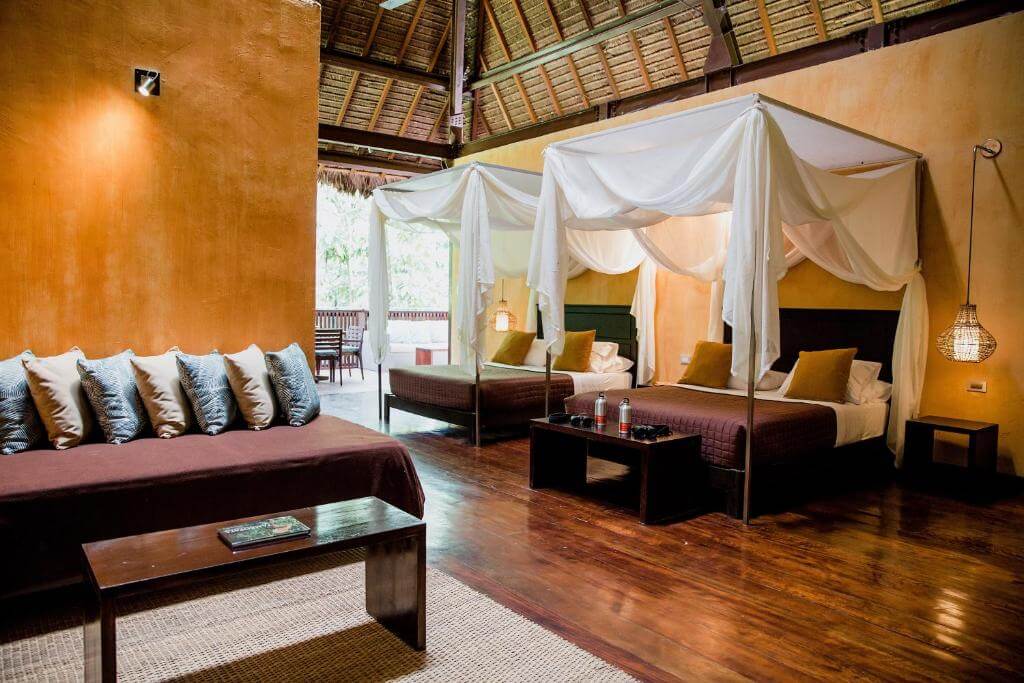
An Amazon lodge offers an opportunity to experience one of the most biodiverse environments on Earth while staying surrounded by tropical vegetation, winding rivers, and extraordinary wildlife. Unlike conventional hotels, these accommodations are designed to connect visitors with the natural environment through immersive experiences, guided excursions, and nature-based activities.
Located in different areas of the Amazon Basin, jungle lodges provide accommodation for travelers interested in wildlife observation, rainforest exploration, birdwatching, and sustainable tourism. Some feature comfortable private cabins and modern amenities, while others emphasize a rustic atmosphere that allows guests to experience the forest more closely.
Whether planning an adventure vacation, a wildlife photography trip, or a relaxing nature retreat, understanding what an Amazon lodge offers can help you choose the right accommodation and prepare for an unforgettable rainforest experience.
What Is an Amazon Lodge?
An Amazon lodge is a type of accommodation established within or near the Amazon rainforest, offering visitors a place to stay while exploring the surrounding tropical ecosystem. These properties are generally designed to integrate with their natural surroundings and provide access to activities such as guided jungle walks, river excursions, and wildlife observation.
Table of Contents
The Concept of Rainforest Accommodation
Rainforest accommodation combines hospitality with nature-based experiences. Buildings often incorporate natural materials, open spaces, elevated walkways, and architectural features adapted to the humid tropical climate.
Depending on their location and design, lodges may offer individual cabins, wooden bungalows, private rooms, communal dining areas, and outdoor observation platforms.
Many accommodations also organize excursions led by local guides who introduce visitors to the rainforest’s plants, animals, ecosystems, and traditional uses of natural resources.
How Amazon Lodges Differ from Traditional Hotels
Traditional hotels generally focus on providing accommodation and convenient access to urban attractions. Amazon lodges, however, are designed around the surrounding environment.
Their main attraction is not simply the room but the opportunity to experience the rainforest directly. Guests can wake up to tropical bird calls, observe monkeys moving through the trees, explore nearby waterways, and discover nocturnal animals during guided walks.
Because many lodges are located in remote areas, transportation, meals, and guided activities are frequently coordinated as part of the accommodation experience.
The Importance of Nature-Based Accommodation
Nature-based accommodation encourages visitors to understand the importance of rainforest ecosystems while enjoying a comfortable place to stay.
By combining accommodation with environmental interpretation, wildlife observation, and conservation awareness, these properties can contribute to more responsible tourism practices.
Where Are Amazon Lodges Located?
Amazon lodges are distributed throughout the Amazon Basin, which extends across several South American countries. Their locations vary considerably, ranging from properties near accessible towns to remote accommodations surrounded by extensive rainforest.
The Peruvian Amazon Rainforest
The Peruvian Amazon is an important destination for rainforest tourism because of its extensive tropical forests, river systems, and remarkable biodiversity.
The southeastern region of Peru offers opportunities to explore lowland rainforest ecosystems, observe tropical wildlife, and visit protected natural areas.
Many accommodations are situated along rivers or near forest reserves, providing convenient access to trails, lakes, and wildlife observation sites.
Madre de Dios and the Tambopata Region
Madre de Dios is one of Peru’s most recognized rainforest destinations. Its tropical forests contain an impressive variety of mammals, birds, reptiles, amphibians, and plant species.
The Tambopata region is particularly attractive for nature enthusiasts because of its diverse habitats and opportunities for wildlife observation.
Visitors can explore rainforest trails, navigate rivers, discover oxbow lakes, and observe colorful birds around natural feeding areas.
Rivers, Lakes, and Rainforest Ecosystems
The Amazon rainforest contains several interconnected habitats, including flooded forests, terra firme forests, wetlands, riverbanks, and freshwater lakes.
The location of a lodge determines which environments visitors can explore during their stay.
Properties near rivers may offer boat excursions, while those surrounded by primary rainforest provide opportunities for guided walks and observation of forest-dwelling animals.
Oxbow lakes are particularly interesting because they support aquatic ecosystems and attract birds, reptiles, and mammals.
Types of Amazon Lodge Accommodation
Amazon lodges offer different accommodation styles depending on their location, facilities, architecture, and target visitors.
Eco-Friendly Jungle Lodges
Eco-friendly lodges prioritize reducing their environmental impact while providing accommodation in natural surroundings.
Common features include locally sourced construction materials, energy-efficient systems, natural ventilation, responsible waste management, and water conservation.
Some properties also participate in environmental education and conservation initiatives.
Luxury Rainforest Accommodation
Luxury rainforest accommodation combines the natural atmosphere of the jungle with additional comfort and personalized services.
Rooms may include private bathrooms, comfortable beds, spacious terraces, quality dining facilities, and attractive views of the surrounding vegetation.
These accommodations are suitable for travelers who want to explore the Amazon without sacrificing comfort.
Rustic Jungle Cabins and Bungalows
Rustic cabins and bungalows offer a simpler accommodation experience, often emphasizing natural surroundings and traditional architectural elements.
They may feature wooden structures, screened windows, mosquito nets, and open-air communal areas.
Although facilities vary, these properties provide an opportunity to experience the rainforest in a more traditional and immersive way.
Family-Friendly and Adventure Accommodation
Some jungle lodges welcome families and offer activities suitable for different age groups.
These may include educational nature walks, birdwatching, canoe excursions, and supervised outdoor experiences.
Adventure-oriented accommodations generally focus on active exploration, longer jungle walks, wildlife observation, and access to remote natural environments.
Facilities and Services at an Amazon Lodge
Facilities differ according to the property’s location, infrastructure, and accommodation category. Understanding what is available is important when selecting a place to stay.
Rooms, Cabins, and Sleeping Arrangements
Most established lodges provide private sleeping areas designed to protect guests from insects and the tropical climate.
Rooms may include mosquito nets, fans, private bathrooms, screened windows, and comfortable bedding.
Some properties use elevated cabins to improve ventilation and reduce direct contact with humid ground conditions.
Dining and Traditional Amazonian Food
Food is an important part of the rainforest accommodation experience.
Meals may combine traditional Peruvian dishes with ingredients commonly found in the Amazon region, including tropical fruits, freshwater fish, plantains, cassava, and locally grown vegetables.
Many lodges provide breakfast, lunch, and dinner, particularly when transportation to nearby restaurants is limited.
Dietary requirements should be communicated before arrival, especially when staying in remote locations.
Electricity, Water, and Communication
Infrastructure varies considerably between properties.
Some accommodations offer continuous electricity, internet access, and modern communication facilities, while remote properties may rely on solar energy, generators, or limited electricity schedules.
Guests should check whether charging facilities, drinking water, mobile coverage, and internet access are available before traveling.
Common Areas and Outdoor Facilities
Common areas provide spaces for relaxing between excursions and enjoying the natural surroundings.
These may include dining rooms, observation decks, hammocks, outdoor lounges, gardens, and open-air terraces.
Some properties also have small libraries or educational displays about rainforest wildlife and conservation.
Wildlife and Nature Around Amazon Lodges
One of the main reasons travelers choose an Amazon lodge is the opportunity to explore an ecosystem containing exceptional biological diversity.
Mammals of the Amazon Rainforest
The rainforest supports numerous mammal species, including monkeys, sloths, capybaras, tapirs, and giant river otters.
Different species occupy different habitats and are active at different times of the day.
Howler monkeys can often be detected through their distinctive vocalizations, while capuchin and squirrel monkeys may be observed moving through the forest canopy.
Wildlife sightings are never guaranteed, but guided excursions increase opportunities to identify animals and understand their behavior.
Birds and Macaw Clay Licks
The Amazon is home to an extraordinary variety of tropical birds, making it an attractive destination for birdwatchers.
Macaws, toucans, parrots, herons, and kingfishers inhabit different rainforest environments.
Clay licks are particularly fascinating natural features where several parrot species gather to consume mineral-rich soil.
These locations provide excellent opportunities for bird observation and photography, although activity depends on environmental conditions.
Reptiles, Amphibians, and Insects
The rainforest also supports numerous reptiles, amphibians, and insects.
Caimans inhabit rivers and lakes, while tree frogs occupy vegetation near humid environments.
Butterflies, leafcutter ants, beetles, spiders, and other invertebrates contribute to the rainforest’s ecological balance.
Night excursions are especially interesting because many of these animals become more active after sunset.
Rainforest Plants and Tropical Vegetation
The Amazon rainforest contains an enormous variety of plant species, including giant trees, palms, orchids, bromeliads, vines, and medicinal plants.
Visitors can learn how different plants contribute to the ecosystem by providing food, shelter, and nesting areas for wildlife.
Some guided walks also introduce traditional knowledge about plants used by Amazonian communities.
Activities and Experiences at an Amazon Lodge
A stay at an Amazon lodge generally includes opportunities to explore different rainforest habitats through guided outdoor activities.
Guided Jungle Walks
Guided rainforest walks allow visitors to explore the forest while learning about its vegetation, animal behavior, and ecological relationships.
Naturalist guides can explain how trees, insects, birds, and mammals interact within the ecosystem.
Trails may pass through dense vegetation, flooded forest, and areas containing large tropical trees.
Wildlife Watching and Birdwatching
Wildlife observation is one of the most popular rainforest activities.
Early morning excursions are often suitable for spotting birds and active mammals, while quiet observation near rivers and lakes can reveal aquatic wildlife.
Birdwatching experiences may include identifying species through their colors, calls, flight patterns, and feeding behavior.
Night Walks and Nocturnal Wildlife
Night walks introduce visitors to the rainforest after sunset, when many nocturnal species become active.
Guides use flashlights to identify frogs, insects, spiders, reptiles, and other animals.
These excursions also reveal how rainforest sounds change throughout the night.
River Excursions and Canoe Trips
River excursions provide a different perspective of the Amazon ecosystem.
Visitors can explore waterways, observe riverbank vegetation, and look for birds and aquatic animals.
Canoe trips through smaller channels and lakes can offer quieter opportunities for wildlife observation.
Fishing and Oxbow Lake Exploration
Some lodges organize traditional fishing activities using appropriate local techniques and responsible practices.
Oxbow lake excursions are another popular experience because these freshwater environments attract a variety of birds, fish, and reptiles.
Cultural and Educational Experiences
Certain properties offer opportunities to learn about Amazonian traditions, local livelihoods, traditional fishing, agriculture, and medicinal plants.
These experiences can help visitors understand the relationship between rainforest communities and their surrounding environment.
Ecotourism and Sustainability in Amazon Lodges
Responsible tourism is an important consideration when choosing rainforest accommodation.
Rainforest Conservation
Some lodges contribute to conservation through environmental education, habitat protection, wildlife monitoring, and collaboration with local organizations.
Responsible tourism can create economic incentives for protecting natural habitats.
Responsible Wildlife Observation
Wildlife observation should prioritize animal welfare and natural behavior.
Visitors should avoid feeding animals, touching wildlife, disturbing nests, or approaching animals too closely.
Maintaining appropriate distances helps reduce stress and protects natural feeding and breeding activities.
Environmental Practices and Renewable Energy
Sustainable accommodation may incorporate solar panels, water conservation systems, waste separation, locally sourced materials, and reduced single-use plastics.
However, environmental practices differ between properties, so travelers should evaluate actual initiatives rather than relying exclusively on sustainability claims.
Community Participation and Local Employment
Local participation can strengthen the relationship between tourism and rainforest conservation.
Employing regional guides, purchasing local products, and supporting community-based initiatives can contribute to the regional economy.
It also allows visitors to learn about the rainforest through the knowledge and experience of people familiar with the environment.
Best Time to Stay at an Amazon Lodge
The Amazon rainforest has a tropical climate characterized by warm temperatures, high humidity, and seasonal rainfall.
Dry Season
The dry season generally offers lower rainfall and, in many areas, easier access to certain trails and outdoor activities.
Some river levels decrease, exposing additional riverbanks and creating different opportunities for wildlife observation.
However, occasional rainfall remains possible throughout the year.
Rainy Season
The rainy season brings increased precipitation and rising river levels.
Flooded forests become more extensive, allowing boats to access areas that may be difficult to reach during other months.
The rainforest also becomes especially lush, with abundant vegetation and active natural ecosystems.
Wildlife Observation Throughout the Year
Wildlife observation is possible throughout the year, although sightings depend on animal behavior, seasonal conditions, habitat, and weather.
The best time to visit ultimately depends on the activities travelers want to experience and their preferences regarding rainfall and accessibility.
What to Pack for an Amazon Lodge Stay
Preparing appropriate clothing and equipment makes rainforest excursions more comfortable.
Clothing and Footwear
Recommended items include lightweight long-sleeved shirts, long trousers, comfortable walking shoes, sandals, and a lightweight rain jacket.
Neutral-colored clothing is generally practical for wildlife observation.
Breathable fabrics help manage high temperatures and humidity.
Insect Protection and Personal Essentials
Insect repellent, sunscreen, a reusable water bottle, personal medication, and basic toiletries are useful items.
A small backpack is convenient for carrying essentials during excursions.
Photography and Outdoor Equipment
Binoculars can improve wildlife observation, particularly for birds and animals in the forest canopy.
A camera, spare batteries, protective equipment for electronic devices, and a flashlight are also useful.
Waterproof bags help protect personal belongings during boat excursions and rainy conditions.
How to Choose the Right Amazon Lodge
Choosing suitable accommodation requires considering more than the appearance of the property.
Location and Surrounding Biodiversity
Evaluate the surrounding ecosystem and its accessibility to rivers, lakes, forest trails, and protected natural areas.
A lodge’s location can significantly influence the wildlife and activities available during a stay.
Accommodation Standards and Facilities
Review room conditions, bathroom facilities, electricity, dining services, communication options, and transportation arrangements.
Choose accommodation that matches your expectations regarding comfort and remoteness.
Activities and Guided Experiences
Consider whether the property offers guided jungle walks, birdwatching, river excursions, night walks, and other activities.
The experience and knowledge of local guides can make a significant difference in understanding the rainforest.
Sustainability and Conservation Practices
Look for transparent environmental practices, responsible wildlife observation policies, and meaningful local participation.
These characteristics help identify accommodations that prioritize environmental responsibility.
Budget and Length of Stay
Accommodation prices vary depending on facilities, location, transportation, meals, and included excursions.
A longer stay generally allows visitors to explore different habitats and participate in a wider variety of activities.
For a more complete rainforest experience, planning several days is preferable to visiting for only one night.
STEP 6. FREQUENTLY ASKED QUESTIONS ABOUT AMAZON LODGES
1. What is an Amazon lodge?
An Amazon lodge is accommodation located within or near the Amazon rainforest. It provides visitors with a place to stay while exploring tropical ecosystems through activities such as wildlife observation, jungle walks, and river excursions.
2. What can you do at an Amazon lodge?
Popular activities include guided rainforest walks, birdwatching, wildlife photography, night excursions, canoe trips, fishing, and exploring oxbow lakes. Some properties also organize cultural and educational experiences.
3. Are Amazon lodges comfortable?
Comfort levels depend on the accommodation category. Some properties offer private bathrooms, comfortable beds, electricity, dining facilities, and spacious cabins, while more rustic options provide simpler facilities.
4. What animals can you see near an Amazon lodge?
Depending on the location, visitors may encounter monkeys, sloths, macaws, toucans, caimans, capybaras, giant river otters, frogs, butterflies, and numerous other rainforest species. Wildlife sightings are never guaranteed.
5. How many days should you stay at an Amazon lodge?
A stay of three to four days is a practical starting point for exploring different rainforest environments and participating in several excursions. Longer stays allow more time for wildlife observation and nature activities.
6. What is the best time to visit an Amazon lodge?
Both dry and rainy seasons offer interesting experiences. The dry season may provide easier access to some trails, while the rainy season creates opportunities to explore flooded forests and waterways.
7. Are Amazon lodges suitable for families?
Many lodges welcome families and provide comfortable accommodation and educational activities. However, parents should consider the age of their children, walking distances, transportation arrangements, and available safety facilities.
8. What should you pack for an Amazon lodge?
Essential items include lightweight long-sleeved clothing, long trousers, comfortable walking shoes, insect repellent, sunscreen, a rain jacket, binoculars, and a flashlight.
9. Are Amazon lodges environmentally friendly?
Many properties incorporate sustainable practices such as renewable energy, responsible waste management, water conservation, and local employment. However, environmental standards vary, so it is important to evaluate each property’s actual practices.
10. How do you get to an Amazon lodge?
Access depends on the lodge’s location. Transportation may involve a combination of commercial flights, road transfers, and riverboat journeys. Many remote properties coordinate transportation as part of their accommodation arrangements.