
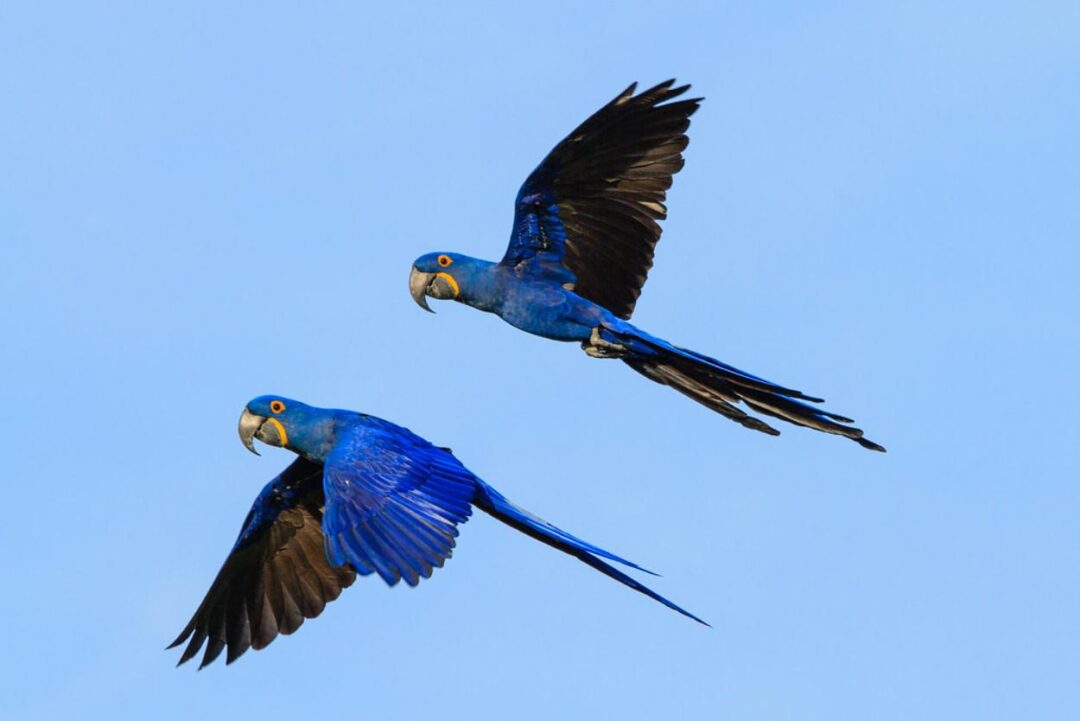
The Amazon rainforest is one of the most biologically diverse places on Earth, home to an extraordinary variety of mammals, birds, reptiles, amphibians, fish, and insects. Its vast forests, rivers, wetlands, and flooded landscapes provide essential habitats for wildlife that cannot survive anywhere else. However, many animals living in this remarkable ecosystem are increasingly threatened by human activities, environmental changes, and the destruction of their natural habitats.
From large mammals that roam the forest floor to aquatic animals living in Amazonian rivers, threatened animals in the Amazon face challenges that affect their ability to find food, reproduce, and survive. Deforestation, illegal hunting, mining, forest fires, pollution, and climate change are transforming parts of the rainforest and putting pressure on wildlife populations.
Understanding which animals are threatened, why their populations are declining, and how conservation efforts can help is essential for protecting the Amazon’s natural heritage. Although the rainforest continues to support millions of living organisms, its future depends on maintaining healthy ecosystems and protecting the habitats that wildlife needs.
Understanding Threatened Animals in the Amazon
The Amazon rainforest contains a complex network of ecosystems that support animals with highly specialized behaviors, diets, and habitat requirements. Some species live high in the canopy, others depend on the forest floor, while many aquatic animals spend their entire lives in rivers, streams, lakes, and seasonal floodplains.
When these environments are damaged or altered, wildlife can lose the resources necessary for survival. Animals may struggle to find food, safe nesting locations, breeding areas, or access to water. Species with small populations or limited geographic distributions are particularly vulnerable because they have fewer opportunities to adapt to sudden environmental changes.
Table of Contents
What Does It Mean for an Animal to Be Threatened?
A threatened animal is a species facing a significant risk of extinction in the wild. Conservation assessments generally consider population size, population trends, geographic distribution, habitat conditions, and other biological factors when determining the level of risk.
Threatened species are commonly categorized into three major levels of extinction risk: vulnerable, endangered, and critically endangered. These categories represent increasing levels of danger, with critically endangered species facing an extremely high risk of extinction in the wild.
Not every animal living in the Amazon is threatened equally. Some species remain relatively widespread and adaptable, while others have experienced substantial population declines. A species may be threatened in one region but relatively stable in another, depending on local habitat conditions and conservation measures.
Monitoring wildlife populations is important because an animal may become increasingly threatened long before it disappears from a particular forest or river.
Why the Amazon Rainforest Is Essential for Wildlife
The Amazon provides a wide range of habitats that allow animals to develop specialized ecological roles. Dense vegetation offers shelter, trees produce fruits and seeds, rivers provide aquatic food sources, and wetlands support fish, amphibians, reptiles, and birds.
Many animals depend on particular environmental conditions. Some need large territories, others require undisturbed nesting areas, and certain species depend on specific trees or seasonal flooding patterns.
The Amazon’s enormous size also allows wildlife to move between different habitats. Forest corridors help animals search for food, find mates, and maintain genetic diversity. When forests become separated by roads, farms, settlements, or mining areas, these movements can become difficult or impossible.
Protecting the Amazon means preserving the ecological connections that allow wildlife populations to survive.
Most Threatened Animals in the Amazon Rainforest
The Amazon is home to many animals facing conservation challenges. Their survival depends on different environmental conditions, and the threats they experience can vary from one region to another.
1. Amazon River Dolphin
The Amazon river dolphin is one of the most recognizable aquatic mammals of the rainforest. Its distinctive pink coloration, flexible neck, and ability to navigate flooded forests make it uniquely adapted to life in freshwater ecosystems.
These dolphins inhabit rivers, tributaries, lakes, and seasonal floodplains. During periods of high water, they can enter flooded forests to search for fish among trees and submerged vegetation.
However, river dolphins face several serious threats. Fishing nets can cause accidental entanglement and drowning, while habitat degradation reduces the quality of the waters where they feed. Mercury contamination associated with gold mining can also affect aquatic food chains and wildlife health.
Changes in river flow, dam construction, increased boat traffic, and declining fish populations can further affect their survival.
Protecting river dolphins requires maintaining healthy freshwater ecosystems, reducing pollution, improving fishing practices, and preserving the rivers and floodplains that support their natural behavior.
2. Giant Otter
The giant otter is one of the largest freshwater carnivores in South America. These social animals live in family groups and are highly adapted to hunting fish in rivers, oxbow lakes, and wetlands.
Giant otters are active, intelligent, and communicate through vocalizations, body movements, and scent marking. Their groups usually depend on territories containing suitable waterways, abundant fish, and safe locations for resting and raising young.
Despite their impressive swimming abilities, giant otters are vulnerable to habitat destruction and human disturbance. Fishing activities can reduce their food supplies, while pollution and mining can damage the aquatic ecosystems they depend on.
Historically, hunting for their valuable fur caused severe population declines. Although hunting pressure has decreased in some areas, illegal killing and habitat disturbances remain concerns.
The conservation of giant otters depends on protecting lakes, riverbanks, and wetlands while maintaining healthy fish populations and undisturbed breeding areas.
3. South American Tapir
The South American tapir is a large herbivorous mammal that plays an important role in rainforest regeneration. It feeds on fruits, leaves, shoots, and other vegetation, often moving through dense forest while searching for food.
Tapirs are important seed dispersers. By consuming fruits and depositing seeds in different locations, they help plants reproduce and maintain the diversity of rainforest vegetation.
These animals generally prefer areas with access to water and dense vegetation. They are often difficult to observe because they are solitary, cautious, and most active during quieter periods.
Habitat loss, hunting, roads, and human settlement expansion are among the major threats to tapirs. As forests become fragmented, tapirs may encounter vehicles, domestic animals, and people more frequently.
Their disappearance could affect forest regeneration because many plant species depend on large animals to transport their seeds across considerable distances.
4. White-Bellied Spider Monkey
Spider monkeys are highly adapted to life in the rainforest canopy. Their long arms, flexible shoulders, and prehensile tails allow them to move efficiently between branches while searching for fruits.
They are particularly dependent on extensive forest areas because their diets include many fruit species that may be available only seasonally. Their movement through the canopy helps distribute seeds and supports forest regeneration.
The white-bellied spider monkey faces threats associated with habitat destruction, hunting, and forest fragmentation. Large areas of continuous forest are increasingly important for populations that need to move between feeding sites.
When trees are removed, spider monkeys may lose access to important food sources or become isolated in smaller forest patches. These isolated populations can experience reduced genetic diversity and greater vulnerability to environmental changes.
Protecting connected forest habitats is essential for maintaining healthy spider monkey populations.
5. Bald Uakari
The bald uakari is a distinctive primate recognized by its bright red facial skin and short tail. It inhabits parts of the Amazon where seasonal flooding influences the availability of food and suitable habitat.
These monkeys spend much of their time in trees, feeding on fruits, seeds, and other plant materials. Their specialized diets and reliance on particular forest environments make them sensitive to habitat changes.
Some bald uakari populations inhabit flooded forests that are vulnerable to alterations in river systems, deforestation, and human disturbance.
The destruction of forest areas can limit their feeding opportunities and reduce the availability of safe places for social groups to move and reproduce.
Protecting flooded forests and maintaining natural seasonal water cycles are important steps toward conserving these unusual primates.
6. Giant Anteater
The giant anteater is a specialized mammal that feeds primarily on ants and termites. Its long snout, powerful claws, and elongated tongue allow it to access insect colonies in the ground and inside termite mounds.
Although giant anteaters can inhabit a variety of environments, including forests, grasslands, and savanna-like areas, they are vulnerable to habitat changes and human activity.
Roads are a significant threat because anteaters may cross open areas and become victims of vehicle collisions. Fires can destroy their habitat, reduce food availability, and cause injuries or deaths.
They are also sometimes killed by people who fear their powerful claws or encounter them near settlements.
Conservation efforts should focus on protecting habitat, reducing road mortality, preventing uncontrolled fires, and promoting awareness of the ecological role of insect-eating mammals.
7. Harpy Eagle
The harpy eagle is one of the most powerful birds of prey found in tropical forests. It hunts animals living in trees, including monkeys and sloths, and requires large territories with mature forest vegetation.
Its impressive size, strong talons, and specialized hunting behavior make it an important predator in the rainforest ecosystem.
Harpy eagles are particularly vulnerable to the loss of large trees because these trees provide nesting sites and elevated locations for hunting. Deforestation can reduce the availability of suitable nesting habitat and disrupt breeding activity.
Because these birds reproduce slowly and require extensive forest areas, recovering populations may take many years.
Protecting mature forests, preserving nesting trees, and reducing hunting are important measures for ensuring that harpy eagles continue to survive in the Amazon.
8. Yellow-Spotted River Turtle
The yellow-spotted river turtle is a freshwater reptile associated with Amazonian rivers, lakes, and wetlands. It spends much of its life in aquatic environments but depends on suitable sandy beaches and riverbanks for nesting.
During reproductive periods, females leave the water to lay eggs in exposed areas. These nesting locations are vulnerable to disturbances caused by people, livestock, boats, and changing water levels.
Eggs and hatchlings can also be affected by predation and environmental conditions.
Overharvesting of eggs and adult turtles has historically affected populations in some areas. Pollution, habitat degradation, and changes to river systems can create additional problems.
Protecting nesting beaches, reducing illegal collection, and maintaining healthy aquatic habitats are essential for the survival of river turtles.
9. Amazonian Manatee
The Amazonian manatee is a peaceful aquatic mammal that feeds on floating and submerged vegetation. It inhabits freshwater environments and is adapted to seasonal changes in river levels.
Manatees are slow-moving animals that can consume large amounts of aquatic plants, helping influence vegetation in their habitats.
Their survival is threatened by hunting, accidental capture in fishing equipment, boat collisions, and environmental degradation. Changes in water quality and the destruction of feeding areas can also affect their populations.
During periods of drought, water levels may decline dramatically, leaving manatees with fewer suitable areas to find food and shelter.
Protecting freshwater habitats, preventing hunting, and maintaining safe waterways are important conservation priorities for these mammals.
10. Poison Dart Frogs
Poison dart frogs are small amphibians found in humid tropical environments. Their bright colors can warn predators about chemical defenses, although toxicity varies greatly between species.
These frogs depend on suitable moisture levels, vegetation, and microhabitats for survival. Many species have specialized reproductive behaviors, and their eggs or tadpoles require carefully maintained environmental conditions.
Amphibians are particularly sensitive to changes in temperature, humidity, pollution, and habitat quality.
Deforestation can expose forest areas to hotter temperatures and drier conditions, while pollution may affect breeding sites and water sources. Climate change can also alter rainfall patterns and increase the frequency of extreme environmental conditions.
The conservation of amphibians requires protecting small-scale habitats as well as larger forest areas, because even localized environmental changes can affect their survival.
Why Amazon Animals Are Becoming Threatened
The decline of threatened animals in the Amazon is connected to multiple environmental pressures. In many cases, these threats interact, making it difficult for wildlife to recover.
Deforestation and Habitat Destruction
Deforestation is one of the most serious threats to Amazon wildlife. Forests are cleared for agriculture, cattle ranching, infrastructure, settlements, and other activities.
When trees are removed, animals lose feeding areas, shelter, nesting sites, and access to important resources. Some species may move into neighboring forests, but others cannot adapt to the new conditions.
Forest fragmentation also creates isolated habitats. Smaller forest patches may not contain enough food or space to support large populations, increasing the risk of local extinction.
Illegal Hunting and Wildlife Trafficking
Wild animals are hunted for meat, body parts, skins, feathers, and commercial trade. Some are captured alive and sold as pets, while others are killed for products that are used or sold illegally.
Hunting can be particularly damaging when it targets animals that reproduce slowly or live in small populations.
The removal of large mammals, reptiles, and birds can affect food chains and ecological relationships. Protecting wildlife requires stronger enforcement, education, and alternatives that reduce the economic pressure to exploit animals.
Gold Mining and Water Pollution
Mining activities can transform forest habitats and contaminate rivers. Clearing vegetation, excavating soil, and altering waterways can destroy breeding areas and feeding habitats.
Gold mining is especially concerning in areas where mercury is used to separate gold from other materials. Mercury can enter rivers and accumulate in aquatic organisms, potentially affecting fish and animals that consume them.
Water pollution can impact aquatic mammals, fish, birds, amphibians, and people living near rivers.
Preventing illegal mining and restoring damaged waterways are essential for maintaining healthy Amazon ecosystems.
Forest Fires and Climate Change
Forest fires can destroy vegetation, kill wildlife, and alter the structure of forest ecosystems. Although some natural environments experience seasonal fire, many Amazon forests are not adapted to frequent intense fires.
Human activities can increase the risk of fires, particularly where forests have been cleared or degraded. Drier conditions and rising temperatures can allow fires to spread more easily.
Climate change is also affecting rainfall patterns, river levels, and seasonal flooding. Extended droughts can reduce access to water and food, while extreme flooding may destroy nests and alter animal habitats.
These environmental changes place additional pressure on species already struggling with habitat loss.
Roads, Agriculture, and Habitat Fragmentation
Road construction creates access to previously remote forest areas. While roads can support economic development, they may also increase deforestation, hunting, settlement expansion, and wildlife collisions.
Animals that need to move across large territories may become separated by roads and cleared land. This fragmentation reduces the connectivity of habitats and can prevent populations from interacting.
Maintaining forest corridors and carefully planning infrastructure development can help reduce the effects of fragmentation.
How Threatened Wildlife Affects the Amazon Ecosystem
The Amazon is a complex ecosystem where every animal contributes to ecological processes. The loss of wildlife can affect vegetation, other animal populations, and the overall stability of forest environments.
The Role of Predators in Ecological Balance
Predators help regulate populations of prey species. By influencing the abundance and behavior of other animals, they contribute to ecological balance.
When large predators disappear, some prey populations may increase in certain areas, potentially changing vegetation patterns and affecting other species.
The presence of predators can also influence where prey animals feed and how they move through the forest.
Maintaining healthy predator populations helps preserve natural ecological relationships.
Seed Dispersal and Forest Regeneration
Many Amazon animals contribute to forest regeneration by transporting seeds. Tapirs, monkeys, birds, bats, and other fruit-eating animals consume fruits and distribute seeds through their movements.
Some plants depend on particular animals for seed dispersal. When these animals decline, certain plants may have fewer opportunities to reproduce successfully.
The loss of seed dispersers can gradually change forest composition, affecting food supplies and habitat conditions for other wildlife.
Aquatic Wildlife and River Health
Amazonian rivers support enormous biological diversity. Fish, turtles, dolphins, manatees, aquatic birds, and other animals depend on healthy freshwater environments.
These species are affected by water quality, river connectivity, vegetation, natural flooding, and the availability of food.
Healthy rivers are essential not only for wildlife but also for local communities that depend on fishing, transportation, and freshwater resources.
Protecting aquatic animals therefore requires conservation measures that consider entire river systems rather than individual species alone.
Conservation Efforts to Protect Amazon Animals
Conservation programs work to protect wildlife populations and maintain the habitats they need to survive. Effective protection requires collaboration among local communities, researchers, environmental organizations, governments, and responsible businesses.
Protected Areas and Wildlife Reserves
Protected areas help safeguard important habitats from destructive activities. These areas may include national parks, wildlife reserves, conservation zones, and other protected landscapes.
Protection can allow animals to feed, reproduce, migrate, and maintain natural behaviors with fewer disturbances.
However, protected areas require effective management, monitoring, and enforcement. Illegal hunting, logging, mining, and land invasions may continue where protection is insufficient.
Connecting protected areas through forest corridors can also improve wildlife movement and genetic diversity.
Indigenous Communities and Forest Protection
Indigenous communities have long maintained relationships with Amazonian forests and their wildlife. Their traditional knowledge includes information about plants, animals, seasonal changes, waterways, and sustainable resource use.
Supporting community land rights and local conservation initiatives can contribute to protecting forest habitats.
Many communities are involved in monitoring forests, preventing illegal activities, managing natural resources, and promoting sustainable livelihoods.
Respecting local knowledge and ensuring communities have meaningful participation in conservation decisions are important elements of long-term wildlife protection.
Wildlife Rescue and Rehabilitation
Wildlife rescue centers help animals that have been injured, orphaned, confiscated from illegal trade, or affected by human activities.
Rehabilitation may include veterinary care, appropriate nutrition, behavioral recovery, and preparation for possible release into suitable natural habitats.
Not every rescued animal can return to the wild. Some may have injuries or behavioral problems that prevent them from surviving independently.
Responsible rehabilitation focuses on animal welfare and avoids unnecessary contact with people that could reduce an animal’s ability to survive in nature.
Sustainable Tourism and Responsible Travel
Nature-based tourism can create economic opportunities while encouraging wildlife conservation. Visitors who experience the Amazon responsibly may develop greater appreciation for its biodiversity and the importance of protecting natural habitats.
Tourism can also support local employment for guides, boat operators, accommodation providers, and community businesses.
Responsible wildlife tourism should avoid disturbing animals, feeding wildlife, handling wild species unnecessarily, or damaging vegetation.
Observing animals in their natural environments without interfering with their behavior is one of the most valuable ways to experience the Amazon.
How Travelers and Individuals Can Help Protect Amazon Wildlife
Protecting threatened animals in the Amazon does not depend exclusively on scientists or conservation professionals. Travelers and individuals can also make responsible choices that support environmental protection.
Choose Responsible Wildlife Tours
Select tours that respect animals and their natural habitats. Avoid activities that involve handling wild animals for photographs, keeping wildlife in inappropriate conditions, or encouraging unnatural behavior.
Responsible guides prioritize animal welfare, follow appropriate observation distances, and avoid disturbing nests, feeding sites, and breeding areas.
Avoid Wildlife Products and Animal Exploitation
Do not purchase products made from endangered animals, illegal wildlife products, or materials obtained through destructive practices.
Avoid attractions that exploit wild animals for entertainment or allow inappropriate interactions.
Supporting ethical businesses can help reduce demand for wildlife exploitation.
Support Local Conservation and Communities
Choose locally operated tourism services when possible. Local guides often possess valuable knowledge of the rainforest, its animals, seasonal conditions, and conservation challenges.
Supporting community businesses can help create economic opportunities that are connected to preserving natural habitats.
Responsible tourism can contribute to a local economy that values living forests and wildlife.
Reduce Your Environmental Footprint
Environmental responsibility also includes reducing waste, avoiding single-use plastics when possible, conserving water, and respecting natural areas.
Small actions may not solve the Amazon’s largest conservation problems, but collective changes in consumption and awareness can contribute to broader environmental efforts.
Learning about threatened species and sharing accurate information can encourage more people to care about rainforest conservation.
Frequently Asked Questions About Threatened Animals in the Amazon
What Is the Most Endangered Animal in the Amazon?
There is no single answer because different species face different extinction risks, and conservation status can change over time. Some Amazonian wildlife populations are critically threatened by habitat destruction, hunting, pollution, and climate change. Species with restricted habitats, low population numbers, or slow reproduction may be particularly vulnerable.
How Many Animals Are Threatened in the Amazon?
The exact number depends on which animal groups are included, the geographic boundaries used, and the most recent conservation assessments. Many mammals, birds, reptiles, amphibians, fish, and invertebrates face some level of conservation concern. The full extent of wildlife decline is difficult to determine because many species remain poorly studied.
What Is the Biggest Threat to Amazon Wildlife?
Habitat destruction is one of the most significant threats. Deforestation and fragmentation remove the food, shelter, breeding areas, and movement corridors that animals need. Hunting, mining, pollution, fires, and climate change also contribute to wildlife decline and often intensify the effects of habitat loss.
Are Amazon Rainforest Animals Going Extinct?
Some Amazon species are at serious risk of extinction, and others have already experienced local population disappearances. However, extinction is not inevitable for every threatened animal. Conservation programs, habitat protection, reduced hunting, and environmental restoration can help wildlife populations recover when effective measures are implemented.
Can Tourists Help Protect Threatened Animals in the Amazon?
Yes. Tourists can help by choosing responsible travel operators, respecting wildlife observation guidelines, avoiding attractions that exploit animals, supporting local communities, and minimizing environmental damage. Responsible tourism can contribute to conservation awareness and create economic incentives for protecting the rainforest.
Conclusion: Protecting Threatened Animals in the Amazon
Threatened animals in the Amazon represent more than individual species struggling to survive. They are part of a complex ecosystem in which mammals, birds, reptiles, amphibians, fish, plants, and countless other organisms depend on one another.
The Amazon river dolphin, giant otter, tapir, spider monkey, bald uakari, harpy eagle, manatee, and many other animals face increasing pressure from habitat destruction, hunting, mining, pollution, fires, and climate change. These threats can affect entire ecosystems and disrupt the natural processes that sustain rainforest biodiversity.
Protecting threatened wildlife requires preserving forests, maintaining healthy rivers, reducing illegal activities, supporting local communities, and encouraging responsible tourism. Conservation is most effective when it recognizes that animals cannot survive without the environments that provide their food, shelter, breeding grounds, and natural connections.
The Amazon remains one of the world’s most extraordinary natural environments. Protecting its threatened animals is an investment in the future of the rainforest, the health of its ecosystems, and the survival of the incredible wildlife that makes this region unique.