
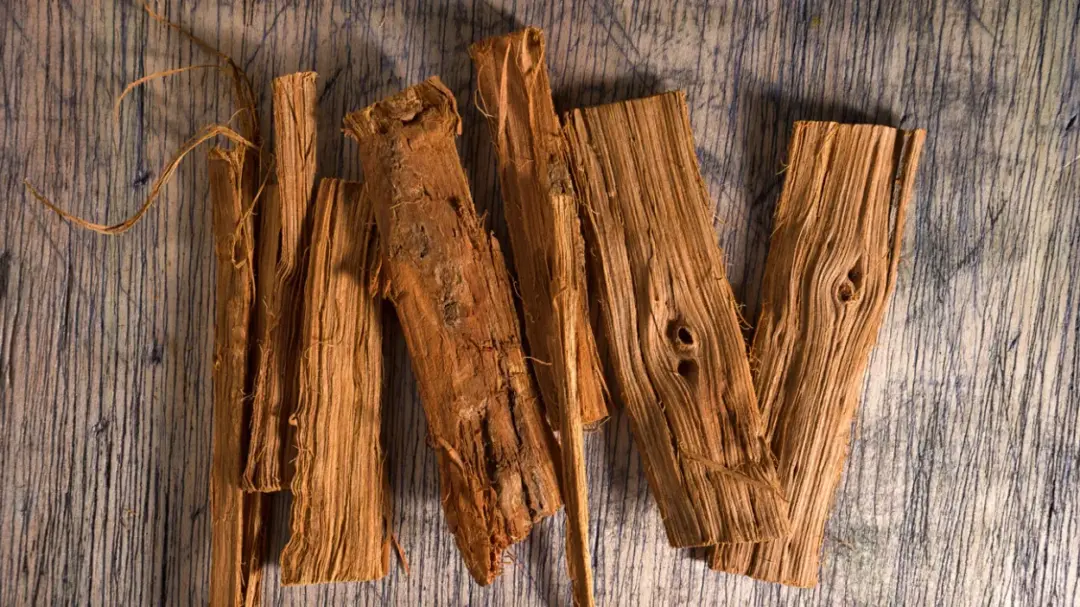
Medicine from the Amazon represents one of the most fascinating connections between nature, human health, and ancestral knowledge. For thousands of years, indigenous communities throughout the Amazon rainforest have developed extensive knowledge of medicinal plants, trees, roots, fruits, leaves, and natural resins. These botanical resources have played an important role in traditional healthcare, cultural practices, and everyday life in the world’s largest tropical rainforest.
The Amazon is home to extraordinary botanical diversity, including thousands of plant species with different chemical compounds and traditional applications. Some plants are prepared as herbal teas, others are used in traditional ceremonies, while certain tree barks, seeds, and resins are incorporated into ancestral healing practices.
Traditional Amazonian medicine is particularly interesting because it combines knowledge of the natural environment with generations of observation and experience. Indigenous communities have learned to recognize plants, understand their characteristics, identify harvesting seasons, and prepare botanical materials according to their cultural traditions.
Today, researchers are increasingly interested in the biodiversity of the Amazon rainforest and the potential applications of its plant compounds. However, understanding traditional medicine requires respecting indigenous knowledge while distinguishing historical uses from scientifically demonstrated medical benefits.
Understanding Traditional Medicine from the Amazon
Traditional medicine from the Amazon refers to the different healing practices, botanical preparations, and cultural knowledge developed by indigenous and local communities throughout the rainforest.
Unlike modern healthcare systems, which generally rely on standardized medicines and clinical treatments, traditional Amazonian medicine often incorporates a broader relationship between people, plants, animals, spiritual beliefs, and the surrounding ecosystem.
Medicinal plants are collected from different forest environments, including riverbanks, flooded forests, wetlands, and areas of dense tropical vegetation.
What Makes the Amazon Rainforest Important for Natural Medicine?
The Amazon rainforest provides an extraordinary environment for botanical diversity. Its warm temperatures, abundant rainfall, fertile floodplains, and different ecological conditions support an enormous variety of plant species.
These plants produce natural chemical compounds that help them interact with their environment. Some compounds protect plants against insects, fungi, and other organisms, while others participate in their growth and reproduction.
Certain plant compounds have attracted scientific attention because they may have biological properties worth investigating.
Important botanical resources include:
- Medicinal tree bark.
- Aromatic leaves and flowers.
- Natural plant resins.
- Tropical fruits and seeds.
- Medicinal roots and rhizomes.
- Essential oils and plant extracts.
- Climbing plants and forest vines.
The combination of biodiversity and traditional knowledge makes the Amazon an important region for ethnobotanical research.
The Relationship Between Indigenous Communities and Medicinal Plants
Indigenous communities have developed detailed knowledge of their surrounding forests through generations of experience.
Traditional healers, elders, and knowledgeable community members often understand which plants are used for particular traditional purposes, how they are collected, and which preparation methods are appropriate within their cultural practices.
This knowledge is transmitted through storytelling, observation, practical demonstrations, and participation in community activities.
Medicinal plants are not simply botanical resources. They are also connected to cultural identity, ancestral traditions, and relationships with the natural world.
How Traditional Amazonian Medicine Has Developed Over Generations
Traditional Amazonian medicine developed through continuous observation of the environment and the experiences of different generations.
Communities learned to identify useful plants, recognize seasonal changes, and distinguish between species with similar appearances.
Knowledge about preparation methods also became an important part of traditional healthcare.
For example, some communities prepare leaves as infusions, while other plants require traditional knowledge about their bark, roots, or natural resins.
These practices vary significantly between indigenous groups and geographical regions.
15 Important Medicinal Plants from the Amazon
The Amazon rainforest contains numerous plants with important cultural and traditional applications. The following examples illustrate the botanical diversity and historical significance of Amazonian plant medicine.
1. Cat’s Claw (Uña de Gato)
Cat’s claw, scientifically known as Uncaria tomentosa, is one of the best-known medicinal plants associated with the Amazon rainforest.
This climbing vine grows in tropical forest environments and is recognized by its curved, claw-like structures, which help it attach to surrounding vegetation.
Traditional Amazonian communities have used its bark and roots in different herbal preparations.
Cat’s claw has attracted scientific interest because it contains several plant compounds, including alkaloids and polyphenols.
Researchers have investigated these substances for their potential biological activities. Nevertheless, traditional uses should not be confused with proven treatments for medical conditions.
2. Sangre de Grado (Dragon’s Blood)
Sangre de grado is a reddish plant resin obtained from trees belonging to the Croton genus, particularly Croton lechleri.
Its name refers to the deep red appearance of the sap, which becomes visible when the tree bark is cut.
In traditional Amazonian practices, this resin has been used externally for various purposes, including traditional skin applications.
It is one of the most recognizable botanical products associated with traditional medicine in the Peruvian Amazon.
Its natural composition contains compounds that have attracted scientific interest, making it an important subject of botanical and pharmacological research.
3. Copaiba
Copaiba is a tropical tree that produces an aromatic oleoresin traditionally collected from its trunk.
The resin has been used in different Amazonian communities for generations and is particularly valued in traditional herbal preparations.
Copaiba oleoresin contains several chemical constituents, including sesquiterpenes and diterpenes.
Different species of Copaiba grow throughout tropical South America, and their traditional applications can vary depending on local knowledge.
4. Chuchuhuasi
Chuchuhuasi is the traditional name commonly associated with Maytenus macrocarpa, a large tropical tree found in parts of the Amazon basin.
Its bark is traditionally collected and prepared as an infusion or macerated preparation.
In some Amazonian communities, chuchuhuasi is associated with traditional practices involving physical discomfort and general well-being.
Its use reflects the importance of medicinal tree bark in Amazonian botanical traditions.
However, traditional preparations should not be considered established medical treatments.
5. Ayahuasca
Ayahuasca is one of the most culturally significant plants and traditional preparations associated with the Amazon rainforest.
It is generally prepared using the Banisteriopsis caapi vine together with other botanical ingredients, commonly including leaves from Psychotria viridis in certain traditions.
Traditional ayahuasca ceremonies are associated with spiritual practices, healing beliefs, and indigenous cultural heritage.
The preparation contains psychoactive compounds that affect the central nervous system.
Ayahuasca can produce powerful psychological and physical effects and may interact dangerously with medications and certain health conditions. It should not be considered an ordinary herbal remedy or used without appropriate medical and safety considerations.
6. Camu Camu
Camu camu is a small Amazonian fruit that grows naturally in areas near rivers and flooded forests.
Its scientific name is Myrciaria dubia, and it is especially recognized for its high vitamin C content.
The fruit has a distinctive acidic flavor and is commonly used in juices, powders, and other food preparations.
Camu camu is particularly interesting from a nutritional perspective because it contains vitamin C and other naturally occurring plant compounds.
It demonstrates how Amazonian biodiversity provides important nutritional resources in addition to plants used in traditional medicine.
7. Achiote
Achiote, scientifically known as Bixa orellana, is a tropical plant recognized for its bright red seeds.
Its seeds contain natural pigments called bixin and norbixin, which are widely known for their coloring properties.
Different Amazonian communities have traditionally used achiote for body decoration, cultural ceremonies, and certain botanical preparations.
Its leaves and seeds also have a history of traditional applications.
Achiote illustrates how a single Amazonian plant can have nutritional, cultural, and botanical importance.
8. Guayusa
Guayusa is a tropical tree whose leaves have traditionally been prepared as a stimulating herbal beverage.
Scientifically known as Ilex guayusa, it is especially associated with indigenous communities of the western Amazon.
The leaves naturally contain caffeine and other plant compounds.
Traditionally, guayusa tea has been consumed during early morning gatherings and community activities.
Its cultural importance extends beyond its stimulating properties because sharing the beverage can also represent an opportunity for storytelling and social interaction.
9. Sacha Inchi
Sacha inchi is a climbing plant native to tropical South America.
Its scientific name is Plukenetia volubilis, and it produces distinctive star-shaped fruits containing seeds.
These seeds are valued for their nutritional composition, particularly their content of plant-based omega-3 fatty acids, protein, and other nutrients.
Sacha inchi oil is also used in food products and nutritional preparations.
Although it is frequently promoted as a medicinal plant, its most established importance is nutritional rather than as a treatment for disease.
10. Matico
Matico is a traditional name used for several medicinal plants in South America, including Piper species.
Certain species have a long history of traditional use in Amazonian herbal preparations.
Their leaves may be incorporated into infusions and other botanical preparations depending on local customs.
Because the name matico can refer to different plants, identifying the exact botanical species is essential before discussing its properties or traditional applications.
11. Bobinsana
Bobinsana, commonly associated with Calliandra angustifolia, is a shrub or small tree found in tropical rainforest environments.
It is particularly recognized in traditional Amazonian healing practices.
Different communities have incorporated its bark, leaves, and other plant materials into traditional preparations.
Bobinsana is also associated with certain spiritual and cultural traditions.
Its importance demonstrates how Amazonian plant medicine extends beyond physical preparations into broader cultural understandings of healing and well-being.
12. Chiric Sanango
Chiric sanango is a traditional Amazonian medicinal plant associated with Brunfelsia grandiflora.
It is a tropical shrub with attractive flowers that may change color as they mature.
Certain Amazonian traditions associate this plant with specialized preparations and traditional healing practices.
However, chiric sanango requires particular caution because Brunfelsia species can contain toxic compounds.
It should never be consumed or prepared for medicinal purposes without appropriate botanical identification and professional safety guidance.
13. Guarana
Guarana is a tropical climbing plant native to the Amazon basin.
Its scientific name is Paullinia cupana, and it produces distinctive fruits containing seeds rich in caffeine.
Traditional communities have used guarana seeds in preparations associated with energy and alertness.
Today, guarana is also recognized as an ingredient in various food and beverage products.
Its caffeine content is responsible for much of its stimulating effect, although excessive consumption can produce unwanted effects such as nervousness, insomnia, and increased heart rate.
14. Jergón Sacha
Jergón sacha is a traditional name associated with certain tropical plants, including species of the genus Dracontium.
These plants are recognized by their large leaves and unusual flower structures.
Some Amazonian communities have incorporated them into traditional botanical practices.
Because common plant names can vary considerably between regions, accurate identification is particularly important.
Certain species may contain irritating or toxic compounds, so traditional names alone are not sufficient to determine whether a plant is safe to handle or consume.
15. Other Traditional Forest Botanicals
Beyond these well-known examples, the Amazon rainforest contains numerous additional plants used in local traditional medicine.
Their importance depends on geographical location, indigenous knowledge, and the availability of different forest ecosystems.
Some plants are collected for their leaves, others for their roots, bark, fruits, flowers, or natural resins.
This botanical diversity demonstrates why the Amazon continues to attract interest from researchers studying tropical plants and traditional healthcare practices.
How Indigenous Communities Prepare Traditional Amazonian Remedies
Traditional medicine involves more than identifying a useful plant. Preparation methods are equally important because different botanical materials contain different natural compounds.
Indigenous communities have developed preparation techniques adapted to the plants available in their surrounding environments.
Medicinal Plant Infusions and Herbal Teas
Herbal infusions are among the most familiar preparation methods.
Leaves, flowers, and other plant materials may be placed in hot water to produce traditional beverages.
The preparation method depends on the plant species and the cultural knowledge associated with it.
Some communities consume particular herbal preparations as part of their everyday traditions, while others reserve specific plants for specialized ceremonies.
Traditional Bark and Root Preparations
Tree bark and roots are important resources in Amazonian botanical traditions.
Some preparations involve boiling plant materials in water, while others use traditional maceration methods.
These techniques are different from ordinary herbal infusions because bark and roots can have different physical structures and chemical compositions.
Accurate identification and preparation are essential, since certain plants contain potentially harmful substances.
Plant Resins, Oils, and Natural Extracts
The Amazon rainforest contains many trees that produce aromatic resins and oleoresins.
Copaiba and sangre de grado are two recognizable examples.
Traditional communities have developed different methods for collecting and using these botanical products.
Sustainable collection is especially important because damaging the tree unnecessarily can affect its long-term health.
The Role of Amazonian Medicine in Modern Research
The botanical diversity of the Amazon has encouraged scientific interest in plant-derived compounds.
Researchers study tropical plants to understand their chemical composition, biological activities, and potential applications.
Scientific Interest in Rainforest Plant Compounds
Plants produce a wide variety of natural substances, including alkaloids, flavonoids, terpenes, and phenolic compounds.
These substances help plants survive and interact with their environments.
Scientists investigate some of these compounds to understand whether they may have useful biological properties.
However, identifying a compound with biological activity does not automatically mean that a plant can safely treat a human disease.
Further laboratory studies, clinical research, dosage evaluation, and safety testing are necessary.
Traditional Knowledge and Pharmaceutical Research
Traditional indigenous knowledge can provide valuable information for botanical research.
Communities that have worked with rainforest plants for generations often possess detailed knowledge about their appearance, habitat, and traditional applications.
This knowledge can help researchers identify plants worthy of further investigation.
However, traditional knowledge must be respected, and research should involve appropriate consent, collaboration, and fair recognition of indigenous intellectual and cultural rights.
The Importance of Scientific Testing and Safety
Not every natural plant product is safe.
Some medicinal plants contain toxic substances, while others can interact with prescription medications or cause allergic reactions.
The concentration of active compounds can also vary according to plant species, growing conditions, harvesting methods, and preparation techniques.
For these reasons, traditional Amazonian remedies should not replace professional medical diagnosis or evidence-based treatment.
Traditional Medicine and Amazonian Indigenous Culture
Medicine from the Amazon is closely connected to the cultural identity of many indigenous communities.
Traditional healing practices often reflect a broader understanding of the relationship between people, nature, family, and the spiritual world.
Spiritual Healing and Traditional Ceremonies
Certain Amazonian traditions incorporate ceremonial practices involving specific plants.
Ayahuasca is among the most widely recognized examples.
These ceremonies can have deep cultural and spiritual significance and are conducted according to traditions that differ between communities.
Understanding these practices requires cultural respect and recognition that indigenous traditions cannot be reduced to tourism experiences or commercial products.
The Role of Traditional Healers
Traditional healers play important roles in some Amazonian communities.
Their knowledge may include identifying plants, understanding traditional preparations, recognizing cultural practices, and advising community members within established healing systems.
This knowledge is often acquired through years of observation, instruction, and experience.
Traditional healers also contribute to the preservation of ancestral knowledge and cultural identity.
Respecting Indigenous Knowledge and Cultural Heritage
Indigenous knowledge is an important part of the Amazon’s cultural heritage.
Protecting this knowledge means recognizing the rights of communities to determine how their traditions are shared, studied, and commercialized.
It also means avoiding the unauthorized collection or commercial exploitation of traditional botanical information.
Responsible research and tourism should prioritize community participation and respect for local traditions.
Threats to Amazon Medicinal Plants and Their Conservation
The future of Amazonian medicinal plants depends on the protection of the rainforest and the communities that preserve traditional botanical knowledge.
Deforestation, habitat fragmentation, pollution, and unsustainable harvesting can threaten important plant species.
Deforestation and Habitat Destruction
Forest clearing for agriculture, livestock production, infrastructure, and other activities can destroy the habitats of medicinal plants.
When native vegetation disappears, certain plant species may become increasingly difficult to find.
Habitat destruction can also affect the animals, insects, and ecological relationships that contribute to healthy forest ecosystems.
Protecting large areas of intact rainforest is essential for maintaining botanical diversity.
Sustainable Harvesting of Medicinal Plants
Sustainable harvesting helps communities collect botanical resources without unnecessarily damaging forest ecosystems.
For example, responsible collection methods can reduce damage to trees producing natural resins.
Cultivating selected medicinal plants can also reduce pressure on wild populations.
Community-based conservation projects can support both biodiversity protection and traditional livelihoods.
Protecting Indigenous Knowledge and Forest Biodiversity
The conservation of Amazonian medicine involves more than protecting individual plants.
It also requires preserving indigenous territories, traditional knowledge, and the ecological environments where these plants grow.
Supporting indigenous communities, promoting sustainable forest management, and encouraging responsible botanical research can contribute to long-term conservation.
The Amazon rainforest represents an extraordinary natural library, and protecting its biodiversity helps preserve valuable cultural and botanical knowledge for future generations.
Frequently Asked Questions About Medicine from the Amazon
What is the most famous medicinal plant from the Amazon?
Cat’s claw, known as uña de gato, is among the most recognized medicinal plants associated with the Amazon rainforest. It has a long history of traditional use and has attracted scientific interest because of its natural chemical compounds.
What medicines come from the Amazon rainforest?
The Amazon is associated with several traditional botanical resources, including cat’s claw, sangre de grado, copaiba, chuchuhuasi, and guayusa. These plants have different traditional applications and chemical compositions. Their traditional use does not automatically establish their effectiveness as modern medicines.
Do indigenous Amazonian people use plants as medicine?
Yes. Many indigenous Amazonian communities have developed extensive traditional knowledge of medicinal plants. Leaves, roots, bark, fruits, and resins are incorporated into different preparations according to local traditions.
Can Amazon medicinal plants cure diseases?
Some Amazonian plants contain compounds that are being investigated scientifically, but traditional use does not prove that a plant can cure a disease. Medical effectiveness and safety must be established through appropriate scientific research.
What is cat’s claw used for traditionally?
Cat’s claw has traditionally been incorporated into herbal preparations by different South American communities. Its bark and roots are particularly associated with traditional medicinal practices. Scientific studies have investigated its chemical constituents, but it should not replace established medical treatment.
What is sangre de grado?
Sangre de grado is a reddish resin obtained from certain tropical trees, especially Croton lechleri. It has a history of traditional external applications and is one of the best-known botanical products from the Amazon.
Are Amazon medicinal plants scientifically studied?
Yes. Researchers study Amazonian plants to understand their chemical compounds, biological properties, and potential applications. However, laboratory findings do not necessarily establish that a plant is safe or effective for treating human diseases.
Can visitors learn about medicinal plants in the Amazon?
Yes. Responsible educational visits in some Amazonian destinations introduce travelers to local vegetation, traditional plant knowledge, and rainforest biodiversity. In areas such as Tambopata and Puerto Maldonado, visitors may learn about medicinal trees, tropical fruits, and traditional botanical uses through knowledgeable local guides and community experiences.
Why should Amazon medicinal plants be protected?
Amazon medicinal plants are important because they contribute to biodiversity, traditional healthcare knowledge, cultural heritage, and scientific research. Protecting their natural habitats also helps preserve the indigenous communities and ecosystems connected to these botanical resources.
Conclusion: Preserving the Natural Medicine of the Amazon
Medicine from the Amazon represents a remarkable combination of botanical diversity, ancestral knowledge, and cultural traditions. From cat’s claw and sangre de grado to copaiba, camu camu, and guayusa, the rainforest contains numerous plants with important traditional, nutritional, and scientific significance.
For indigenous communities, these plants are part of a much larger relationship with the natural environment. Their knowledge reflects generations of experience identifying forest species, understanding seasonal changes, and preserving traditional preparation methods.
Today, the Amazon continues to offer opportunities for botanical research and a deeper understanding of tropical biodiversity. Nevertheless, protecting these natural resources requires responsible harvesting, scientific evaluation, respect for indigenous knowledge, and conservation of rainforest ecosystems.
Ultimately, preserving the medicinal plants of the Amazon means protecting more than individual species. It means safeguarding an extraordinary natural heritage, supporting indigenous cultures, and ensuring that future generations can continue learning from one of the most biologically diverse environments on Earth.