
South America is home to some of the most extraordinary tropical forests on Earth, offering an incredible variety of landscapes, wildlife, rivers, and natural wonders. From the immense Amazon rainforest to remote wetlands and tropical forest reserves, the continent provides countless opportunities for travelers seeking unforgettable experiences in nature. Exploring the South American jungle means discovering places where enormous trees create natural canopies, rivers flow through dense vegetation, and thousands of animal and plant species thrive in complex ecosystems.
The Amazon Basin is undoubtedly the most famous rainforest region, but it is not the only destination worth exploring. Countries such as Brazil, Peru, Ecuador, and Colombia contain remarkable jungle landscapes, each with distinctive environments and wildlife. Some destinations are especially suitable for birdwatching and wildlife photography, while others offer river expeditions, forest hiking, and opportunities to learn about traditional communities.
Whether you are interested in discovering rare animals, exploring remote waterways, or experiencing the beauty of tropical biodiversity, these are some of the best places to explore in the South American jungle.
1. Discover the South American Jungle
Where Is the South American Jungle Located?
The South American jungle is primarily concentrated in the northern and central regions of the continent, where warm temperatures and abundant rainfall support extensive tropical forests. The largest rainforest area belongs to the Amazon Basin, which stretches across several countries, including Brazil, Peru, Colombia, Ecuador, Bolivia, Venezuela, Guyana, Suriname, and French Guiana.
The region contains an extraordinary network of rivers, wetlands, forested mountains, and lowland ecosystems. The Amazon River and its tributaries connect many remote areas, creating natural corridors that support wildlife and sustain local communities.
Table of Contents
Beyond the Amazon, South America also contains other important tropical forest environments, including the Atlantic Forest and the Chocó region. Each ecosystem has different climatic conditions, vegetation, and animal communities.
What Makes South America’s Tropical Forests Unique?
One of the most remarkable characteristics of South American rainforests is their exceptional biodiversity. Thousands of plant species grow in these environments, while mammals, birds, reptiles, amphibians, and insects occupy different ecological niches.
The forest canopy creates several layers of vegetation, from enormous trees to shrubs and plants growing near the ground. Each layer provides food, shelter, and breeding habitats for different species.
Another fascinating feature is the relationship between forests and rivers. Seasonal flooding transforms large areas into aquatic environments, allowing fish, birds, and mammals to move through flooded forests.
2. Best Places to Explore in the South American Jungle
Amazon Rainforest in Brazil
Brazil contains the largest portion of the Amazon rainforest, making it one of the most important destinations for exploring tropical jungle landscapes. Its enormous forest territory includes winding rivers, flooded plains, isolated communities, and areas of exceptionally rich biodiversity.
One of the most interesting experiences is exploring the Amazon River and its tributaries. Boat journeys provide opportunities to observe river dolphins, monkeys, birds, and other animals living along the waterways. Some areas also feature seasonal flooded forests, where trees become partially submerged during periods of high water.
Remote Rainforest Landscapes
The Brazilian Amazon contains extensive areas of dense vegetation, where enormous trees create a continuous green canopy. These forests provide habitats for jaguars, tapirs, giant anteaters, sloths, and numerous primate species.
Exploring different forest environments reveals how vegetation changes according to soil conditions, elevation, and seasonal flooding.
Amazon River and Wildlife Experiences
River expeditions offer a different perspective on the rainforest. Visitors can observe aquatic habitats, floating vegetation, riverbanks, and forest ecosystems that are difficult to reach by land.
Early morning and late afternoon are particularly interesting periods for wildlife observation because many animals become more active during these cooler hours.
Tambopata National Reserve in Peru
Tambopata, located in the Madre de Dios region of southeastern Peru, is one of the most remarkable destinations for rainforest exploration. It is particularly famous for its extraordinary birdlife, colorful macaws, monkeys, and diverse tropical ecosystems.
The reserve protects extensive areas of lowland rainforest, rivers, lakes, and natural clay formations. These habitats support an impressive variety of wildlife and provide excellent opportunities for observing animals in their natural environments.
Macaw Clay Licks and Colorful Birds
One of Tambopata’s most fascinating natural attractions is its macaw clay licks. These locations attract colorful parrots and macaws that gather to consume mineral-rich clay.
The sight of dozens of brightly colored birds gathering along exposed riverbanks is one of the most memorable wildlife experiences in the Amazon region.
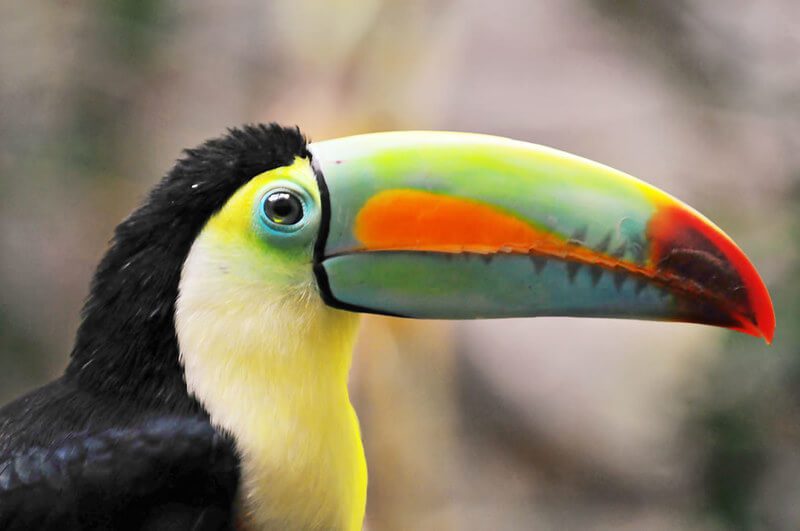
Other birds commonly associated with these forests include toucans, kingfishers, herons, and numerous species of hummingbirds.
Lakes, Rivers and Wildlife Observation
Tambopata also contains beautiful lakes and winding waterways surrounded by tropical vegetation. These aquatic environments provide habitats for giant river otters, caimans, fish, and many bird species.
Visitors exploring these areas may also encounter capybaras, squirrel monkeys, howler monkeys, and sloths.
Manu National Park in Peru
Manu National Park is one of the most important protected natural areas in South America. Located across the Andes and Amazonian lowlands, it contains an extraordinary range of ecosystems.
Its landscapes extend from high-altitude mountain environments to humid tropical forests, creating different habitats within a single protected region.
Biodiversity and Untouched Forests
One of Manu’s greatest natural characteristics is its ecological diversity. Differences in altitude, temperature, rainfall, and vegetation support numerous animal and plant species.
The lowland rainforest contains enormous trees, winding streams, and dense vegetation. Higher elevations support cloud forests, where moisture creates a distinctive environment filled with mosses, orchids, and ferns.
Wildlife and Ecological Habitats
Manu provides habitats for jaguars, tapirs, giant otters, monkeys, colorful birds, and many other species.
Birdwatchers may encounter macaws, parrots, toucans, and unusual forest birds. Mammals are often more difficult to observe because many species are naturally shy and move through dense vegetation.
The park is particularly valuable for understanding how different forest ecosystems connect across large geographical areas.
Pacaya Samiria National Reserve in Peru
Located in the northeastern Peruvian Amazon, Pacaya Samiria is famous for its extensive flooded forests, rivers, lagoons, and aquatic biodiversity.
Its seasonal flooding creates a constantly changing landscape. During periods of high water, boats can navigate through forest areas that are otherwise accessible only by walking.
Flooded Forests and Blackwater Rivers
The reserve contains remarkable aquatic environments, including dark-water rivers and lagoons surrounded by vegetation.
These waterways provide habitats for fish, turtles, aquatic plants, and many bird species. The changing water levels influence animal movements and the availability of food throughout the year.
Aquatic Wildlife and River Expeditions
Visitors may encounter pink river dolphins, gray river dolphins, giant otters, caimans, and numerous aquatic birds.
Exploring these environments by boat offers an opportunity to observe the relationship between tropical forests and freshwater ecosystems.
Yasuni National Park in Ecuador
Yasuni National Park is one of the most biodiverse regions of the Ecuadorian Amazon. Its extensive tropical forests contain an impressive variety of plants, birds, mammals, amphibians, and insects.
The park is particularly important because it protects habitats that support exceptional ecological diversity.
Exceptional Tropical Biodiversity
Yasuni’s forests contain several vegetation layers, from the forest floor to the upper canopy. These different environments support specialized species that depend on particular food sources and habitats.
The region is home to monkeys, sloths, tapirs, colorful birds, and numerous amphibians and reptiles.
Wildlife and Indigenous Territories
The wider Yasuni region is also culturally important. Indigenous communities maintain deep historical and cultural relationships with the surrounding forests.
Responsible exploration should respect local traditions, community rights, and protected territories.
Colombian Amazon
The Colombian Amazon offers another fascinating opportunity to discover South America’s tropical forests. Its landscapes include dense jungle vegetation, large rivers, lakes, and remote settlements.
The region contains diverse habitats that support monkeys, colorful birds, reptiles, and many other wildlife species.
Jungle Landscapes and River Communities
The Amazon River and its tributaries connect different forest environments and communities. River transportation is an essential part of everyday life in many remote areas.
Exploring these waterways reveals the importance of rivers for transportation, fishing, food production, and cultural traditions.
Wildlife and Forest Exploration
The Colombian Amazon provides opportunities for birdwatching, guided forest walks, and wildlife observation.
Visitors may encounter toucans, macaws, monkeys, sloths, and numerous species of butterflies. The region’s vegetation also includes medicinal plants, palms, enormous rainforest trees, and climbing vines.
The Pantanal in Brazil
Although the Pantanal is primarily a tropical wetland rather than a traditional dense rainforest, it deserves attention as one of South America’s most remarkable wildlife destinations.
Its extensive seasonal floodplains create exceptional habitats for aquatic animals, birds, and large mammals.
Wetlands and Wildlife Photography
The Pantanal’s open landscapes often make wildlife easier to observe than in densely vegetated rainforest environments.
Its rivers, marshes, grasslands, and seasonal lagoons attract numerous animals, particularly during periods when water and food are concentrated in specific habitats.
Jaguars and Aquatic Ecosystems
The Pantanal is particularly famous for its jaguar population. Other notable animals include giant otters, capybaras, caimans, giant anteaters, and hundreds of bird species.
For wildlife photographers, the combination of open landscapes and abundant animals makes this region especially interesting.
3. What Can You Discover in the South American Jungle?
Incredible Wildlife and Rare Animal Species
South American tropical forests contain some of the world’s most recognizable and fascinating wildlife.
Jaguars are among the most impressive predators in the region. These powerful cats inhabit forests, wetlands, and river environments, where they hunt mammals and other animals.
Other remarkable species include sloths, tapirs, giant anteaters, capybaras, monkeys, and river dolphins.
Many animals have developed special adaptations that help them survive in humid tropical environments. Sloths move slowly through tree canopies, while monkeys use their limbs and tails to navigate branches.
Rivers, Lakes and Hidden Waterways
Rivers are essential components of the South American jungle. They provide water, transportation routes, feeding areas, and habitats for numerous species.
The Amazon River system contains an enormous network of tributaries, lakes, and flooded forests.
Some waterways change dramatically between wet and dry seasons. During flooding, aquatic environments extend into forested areas, creating temporary habitats that support fish, birds, and mammals.
Tropical Trees and Extraordinary Plants
The vegetation of the South American jungle is remarkably diverse. Tall trees compete for sunlight, while climbing plants, orchids, bromeliads, ferns, and palms occupy different forest layers.
Some trees develop enormous trunks and extensive root systems that help stabilize them in humid or periodically flooded soils.
The forest also contains many plants with ecological and traditional medicinal importance.
Birds, Mammals, Reptiles and Amphibians
Birdlife is one of the greatest attractions of tropical South America. Macaws, toucans, parrots, harpy eagles, and hummingbirds are among the most recognizable species.
Reptiles include caimans, anacondas, turtles, and numerous lizards. Amphibians, particularly frogs, are also exceptionally diverse.
The variety of species makes these ecosystems particularly interesting for naturalists, photographers, and wildlife enthusiasts.
4. Best Jungle Adventures and Activities
Guided Rainforest Hiking
Walking through tropical forests is one of the best ways to understand their ecological complexity.
Guided hikes can reveal medicinal plants, insects, animal tracks, unusual fungi, and the different layers of rainforest vegetation.
Because many animals are difficult to spot, experienced guides can help visitors recognize sounds, footprints, and other signs of wildlife.
Wildlife Watching and Photography
Wildlife observation is an important activity in destinations such as Tambopata, Manu, Yasuni, and the Pantanal.
Patience is essential because animals do not always appear on demand. Early mornings and quieter periods often provide excellent opportunities for observation.
Telephoto lenses and binoculars can help visitors observe wildlife without disturbing it.
River Expeditions and Canoe Exploration
Boat expeditions provide access to areas that may be difficult to reach on foot.
Traveling along rivers and lagoons allows visitors to explore flooded forests, observe aquatic animals, and discover different landscapes.
Canoe excursions can also provide quieter opportunities for observing birds and other wildlife.
Canopy Observation and Birdwatching
The rainforest canopy is one of its most fascinating environments. Many birds and mammals spend much of their lives high above the forest floor.
Canopy observation platforms and guided birdwatching excursions offer opportunities to discover this elevated ecosystem.
Learning About Indigenous Cultures
Some rainforest experiences include opportunities to learn about traditional knowledge, forest resources, local food, and cultural practices.
These experiences should be organized respectfully, with the participation and consent of local communities.
5. Best Time to Explore the South American Jungle
Wet Season and Dry Season
The Amazon region generally experiences wet and relatively dry periods, although the timing varies considerably by location.
During the wet season, rivers rise and flooded forests become more accessible by boat. This period can be particularly interesting for exploring aquatic habitats.
During relatively dry periods, some walking trails become easier to access, although water levels and wildlife activity differ between regions.
Rainfall, Temperature and Wildlife Observation
Tropical rainforest temperatures are generally warm throughout the year. High humidity and frequent rainfall are normal characteristics of these environments.
Wildlife observation depends on several factors, including seasonal water levels, food availability, animal behavior, and habitat conditions.
There is no single perfect month for every destination.
Choosing the Best Season for Your Adventure
Travelers interested in river expeditions may prefer periods of higher water levels, while those interested in hiking may find certain lower-water periods more convenient.
Before planning an expedition, it is important to research local seasonal conditions and transportation access.
6. How to Prepare for a South American Jungle Expedition
Essential Clothing and Equipment
Exploring tropical forests requires suitable clothing and equipment.
Lightweight, breathable clothing, long-sleeved shirts, comfortable hiking trousers, and waterproof footwear are useful.
Other important items include:
- Insect repellent.
- Sunscreen.
- A reusable water bottle.
- Binoculars.
- A flashlight or headlamp.
- Waterproof bags.
- A basic first-aid kit.
- Lightweight rain protection.
- A camera for wildlife photography.
Safety and Health Precautions
Travelers should prepare for high humidity, insects, changing weather conditions, and uneven terrain.
It is advisable to follow local health recommendations, carry appropriate medications, and use qualified guides when exploring remote areas.
Visitors should avoid touching unfamiliar plants or animals and should never approach potentially dangerous wildlife.
Choosing Responsible Jungle Experiences
Responsible tourism helps protect fragile ecosystems and supports communities that depend on healthy forests.
Choose experiences that respect protected areas, minimize environmental disturbance, and avoid activities that exploit wildlife.
Never feed wild animals, purchase products made from threatened species, or leave waste in natural environments.
7. Why Protecting the South American Jungle Matters
Rainforest Biodiversity and Ecological Importance
South American tropical forests play an essential role in maintaining ecological balance.
They store large quantities of carbon, influence regional rainfall patterns, protect soils, and support freshwater systems.
Their biodiversity also provides essential ecological services, including pollination, seed dispersal, and nutrient cycling.
Deforestation and Environmental Challenges
Despite their importance, tropical forests face significant threats.
Agricultural expansion, illegal logging, mining, infrastructure development, and forest fires contribute to habitat destruction and environmental degradation.
These pressures affect wildlife populations and can fragment habitats, making it more difficult for animals to move between forest areas.
Conservation and Sustainable Ecotourism
Protecting the South American jungle requires cooperation between governments, scientists, conservation organizations, and local communities.
Responsible ecotourism can contribute to conservation by creating economic opportunities that depend on healthy natural environments.
Supporting sustainable activities and respecting protected areas are important ways travelers can help preserve these extraordinary ecosystems.
Frequently Asked Questions (FAQ)
What Is the Best Place to Explore the South American Jungle?
There is no single best destination because each region offers different experiences. Tambopata and Manu in Peru are excellent for biodiversity and wildlife observation, while the Brazilian Amazon offers extensive river systems and vast rainforest landscapes. Yasuni in Ecuador is another remarkable destination for discovering tropical biodiversity.
Which Countries in South America Have Tropical Jungles?
Brazil, Peru, Colombia, Ecuador, Bolivia, Venezuela, Guyana, Suriname, and French Guiana contain portions of the Amazon rainforest or associated tropical forest ecosystems. Other countries, including Colombia and Ecuador, also have important tropical forest regions outside the Amazon Basin.
Is the Amazon Rainforest the Only Jungle in South America?
No. South America contains several important tropical forest ecosystems, including the Atlantic Forest, Chocó forests, and other tropical woodland regions. The continent also has extensive wetlands, such as the Pantanal, which support different but equally fascinating wildlife communities.
What Animals Can You See in the South American Jungle?
Some notable species include jaguars, sloths, tapirs, capybaras, monkeys, macaws, toucans, anacondas, caimans, and pink river dolphins. The animals encountered depend on the destination, season, and habitat.
What Is the Best Month to Visit the Amazon Rainforest?
There is no universal best month because rainfall and river levels vary across the Amazon. Generally, periods of higher water levels are interesting for boat exploration, while relatively drier periods can offer better conditions for some forest walks.
Is It Safe to Explore the South American Jungle?
Exploring the jungle can be safe when visitors prepare properly, follow local recommendations, and use experienced guides in remote environments. Travelers should take precautions against insects, changing weather, unfamiliar wildlife, and difficult terrain.
Can You Explore the Jungle Without a Guide?
Some accessible areas can be explored independently where local regulations permit. However, remote rainforest environments are difficult to navigate, and hiring a qualified local guide is strongly recommended for safety and wildlife observation.
How Many Days Do You Need for a Jungle Expedition?
A short visit of three to four days can provide an introduction to rainforest environments and wildlife. Five to seven days allows more time for river expeditions, guided walks, and wildlife observation. Longer stays provide opportunities to explore more remote ecosystems.
Conclusion: Discover the Natural Wonders of the South American Jungle
The South American jungle offers an extraordinary collection of destinations for travelers interested in nature, wildlife, and adventure. From the immense Amazon rainforest in Brazil to the remarkable biodiversity of Tambopata and Manu in Peru, each region provides a different perspective on tropical ecosystems.
Exploring these landscapes reveals more than impressive scenery. It introduces visitors to complex natural environments where rivers, forests, animals, and human communities are closely connected.
Whether you choose a river expedition, a guided rainforest hike, a wildlife photography experience, or a visit to a protected natural reserve, the South American jungle offers countless opportunities to discover some of the planet’s most fascinating environments.
Most importantly, every adventure should contribute to protecting these ecosystems. Responsible exploration helps preserve biodiversity, supports local communities, and ensures that the natural wonders of South America remain valuable for future generations.