Embark on a thrilling journey with our Tambopata tours, As we glide along the river, the Amazon awakens—capybaras wade, tapirs roam, and, if fortune smiles, a jaguar appears.
Starting next day at dawn with a 4:30 AM boat ride to the legendary Chuncho Macaw Clay Lick. At the clay lick, a breathtaking spectacle unfolds—parrots flutter in, followed by dazzling macaws, their colors igniting the sky. Witnessing this natural wonder is a soul-stirring moment, a true highlight of any Tambopata tour.
Afterward, we return for a hearty breakfast, then wander through a lush botanical garden of exotic fruits and towering trees. As night falls, we set off on a thrilling motorboat ride, searching for elusive alligators—an electrifying finale to an unforgettable Amazonian adventure.
Tour Activities:
Birdwatching, Cayman search, Jungle walk, Observatory Tower
Tour Attactions:
🦜 Macaw Clay Lick, 🔭 Observatory Tower, 🐊 Cayman Search,🌴Canopy Walk, 🏊🏻Kayak
Tour Includes:
This is an “All inclusive tour from pick up till drop off”
Pick up from (Airport, bus station or hotel)
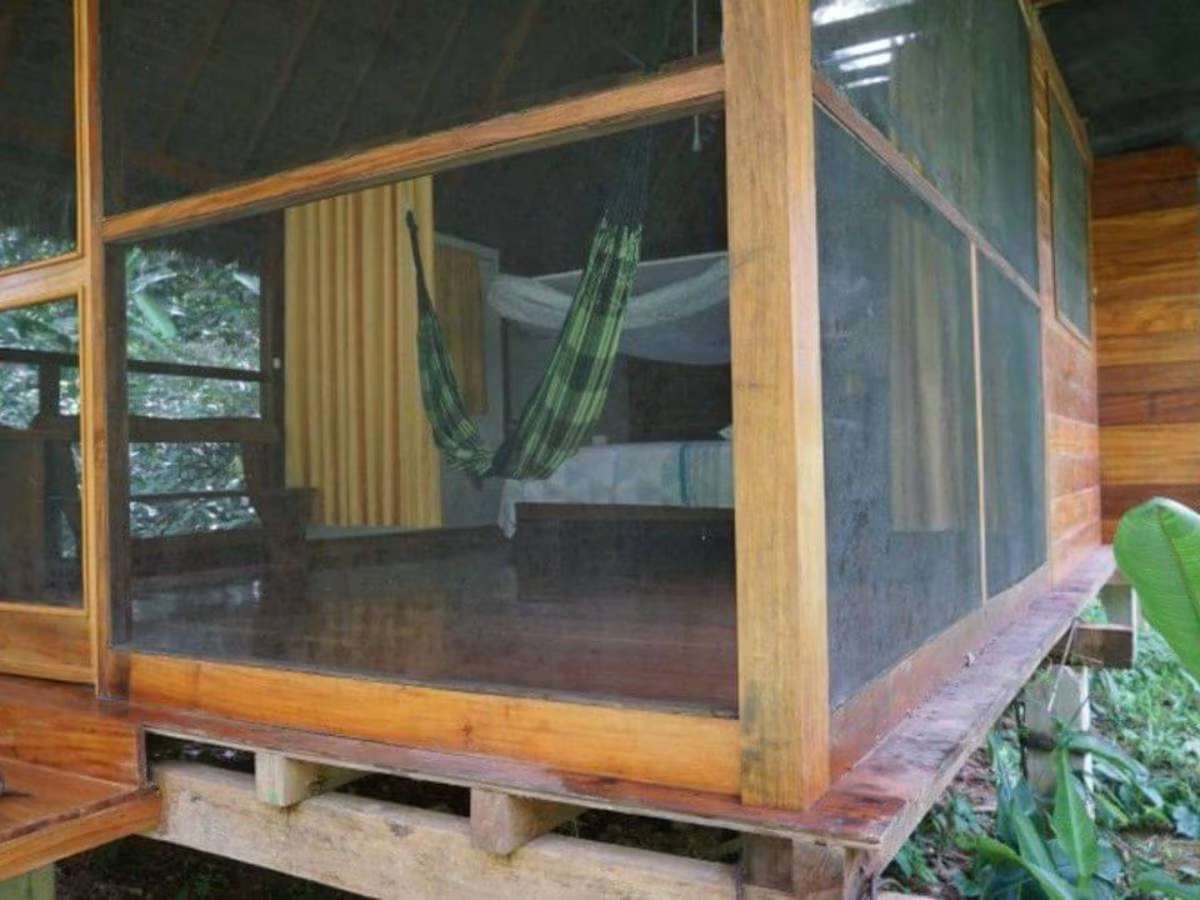
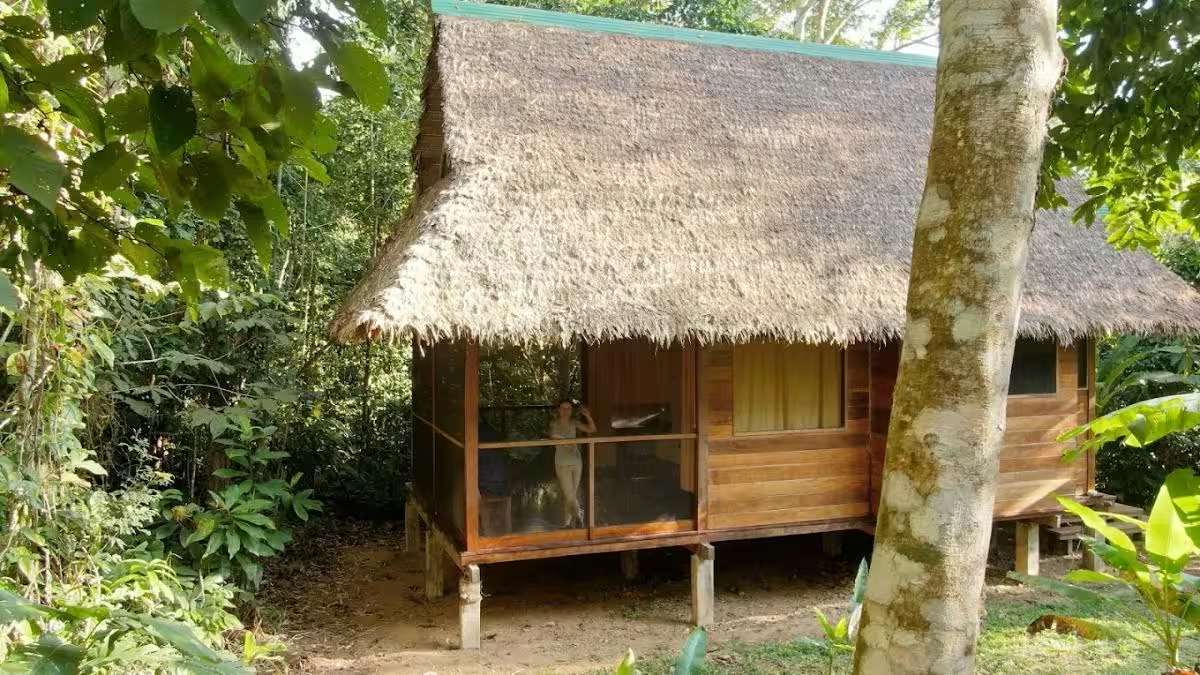
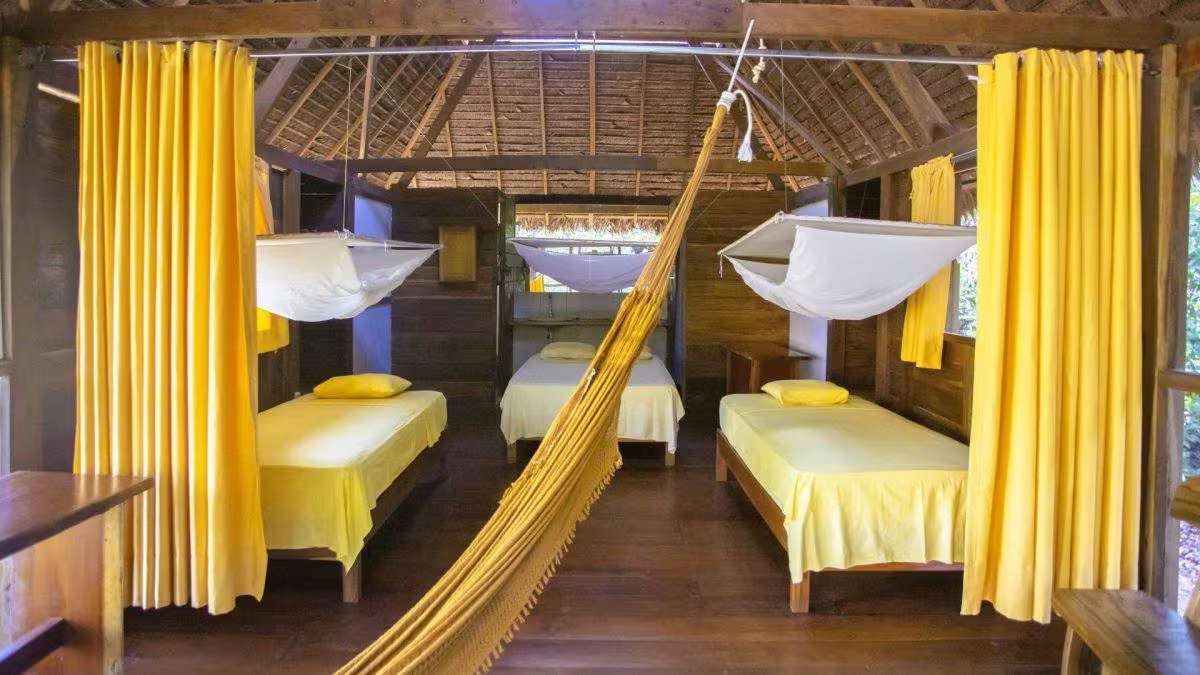
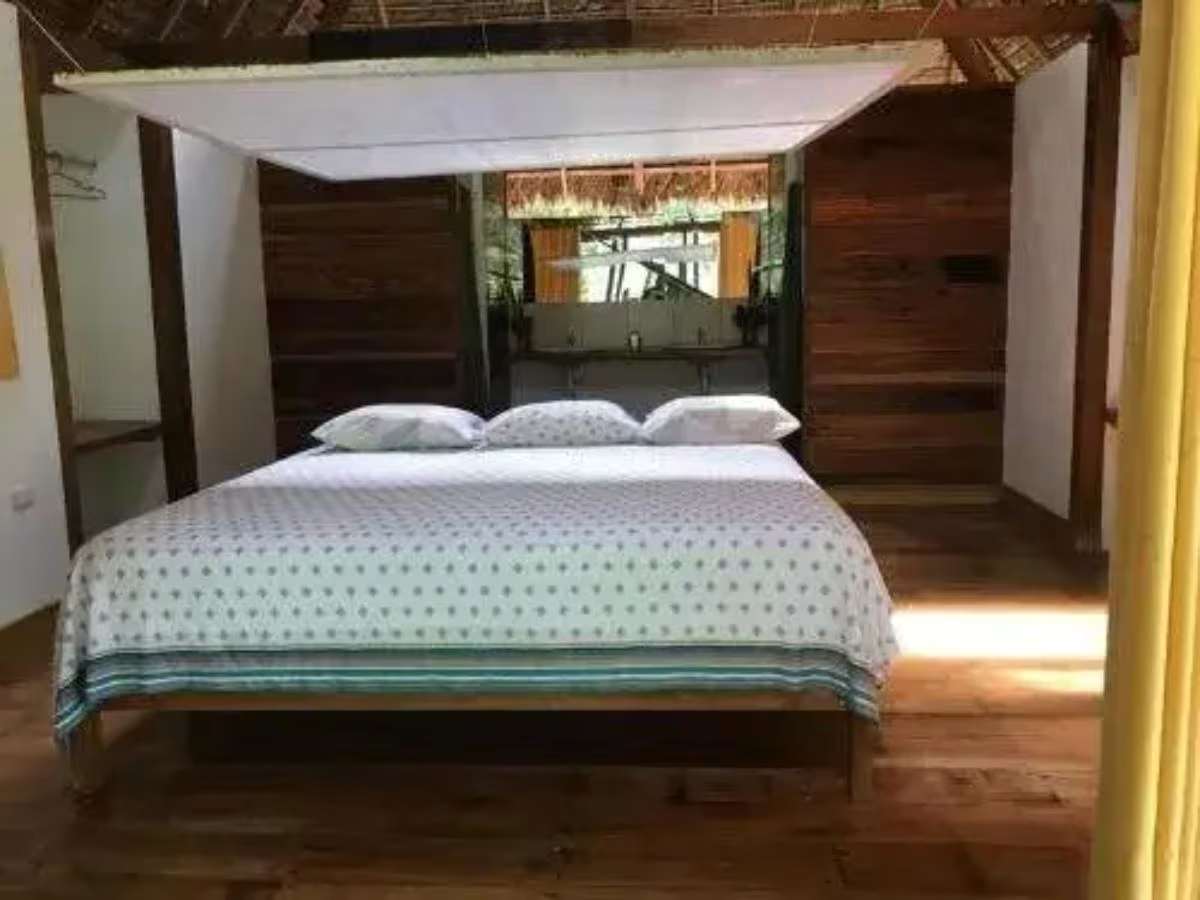
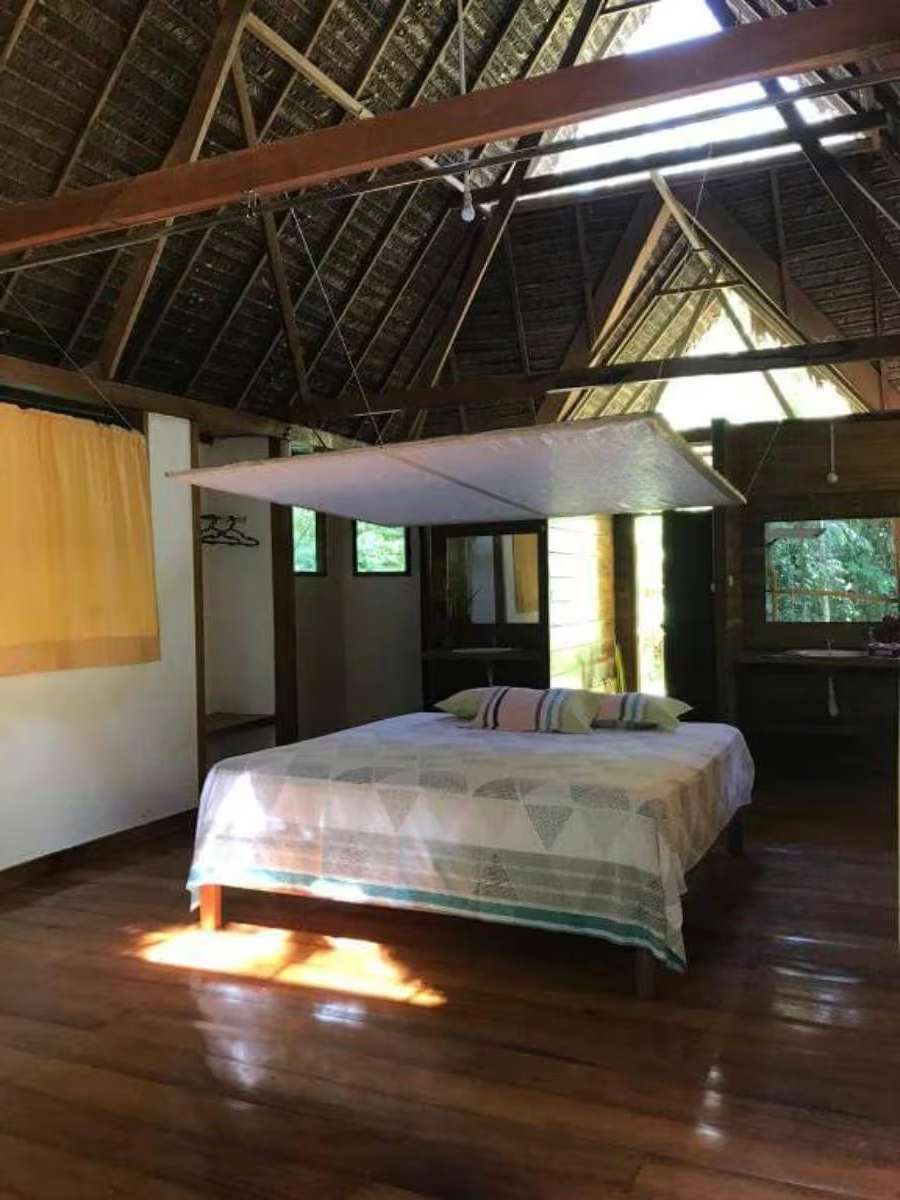
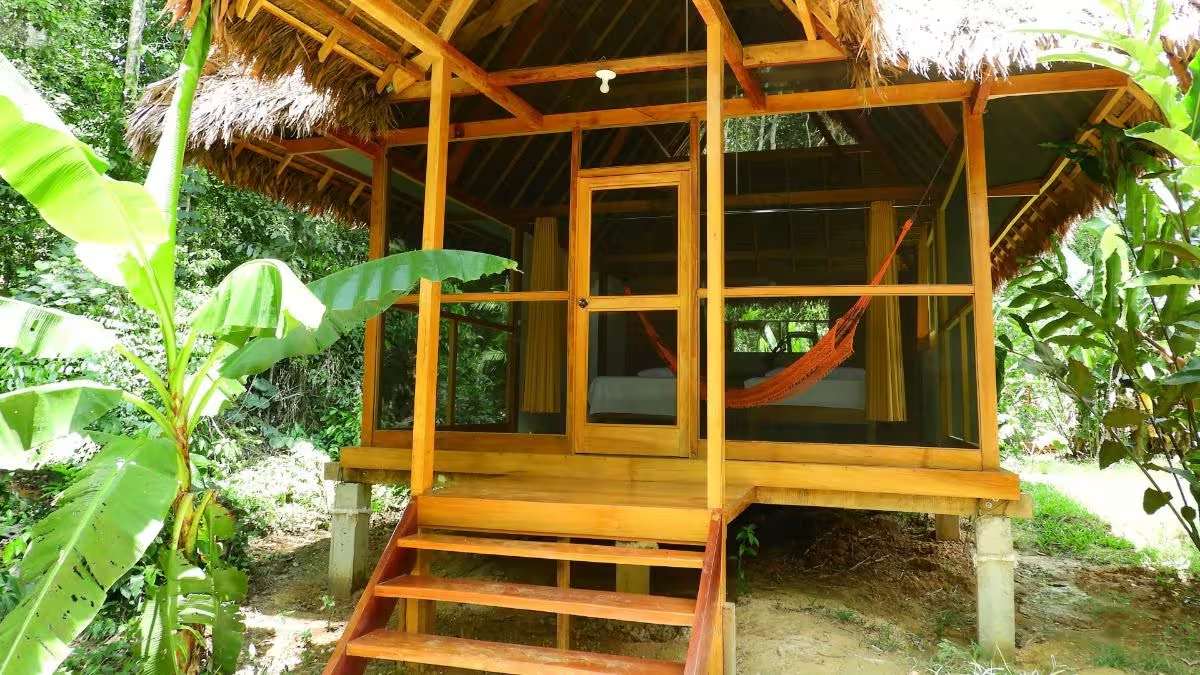
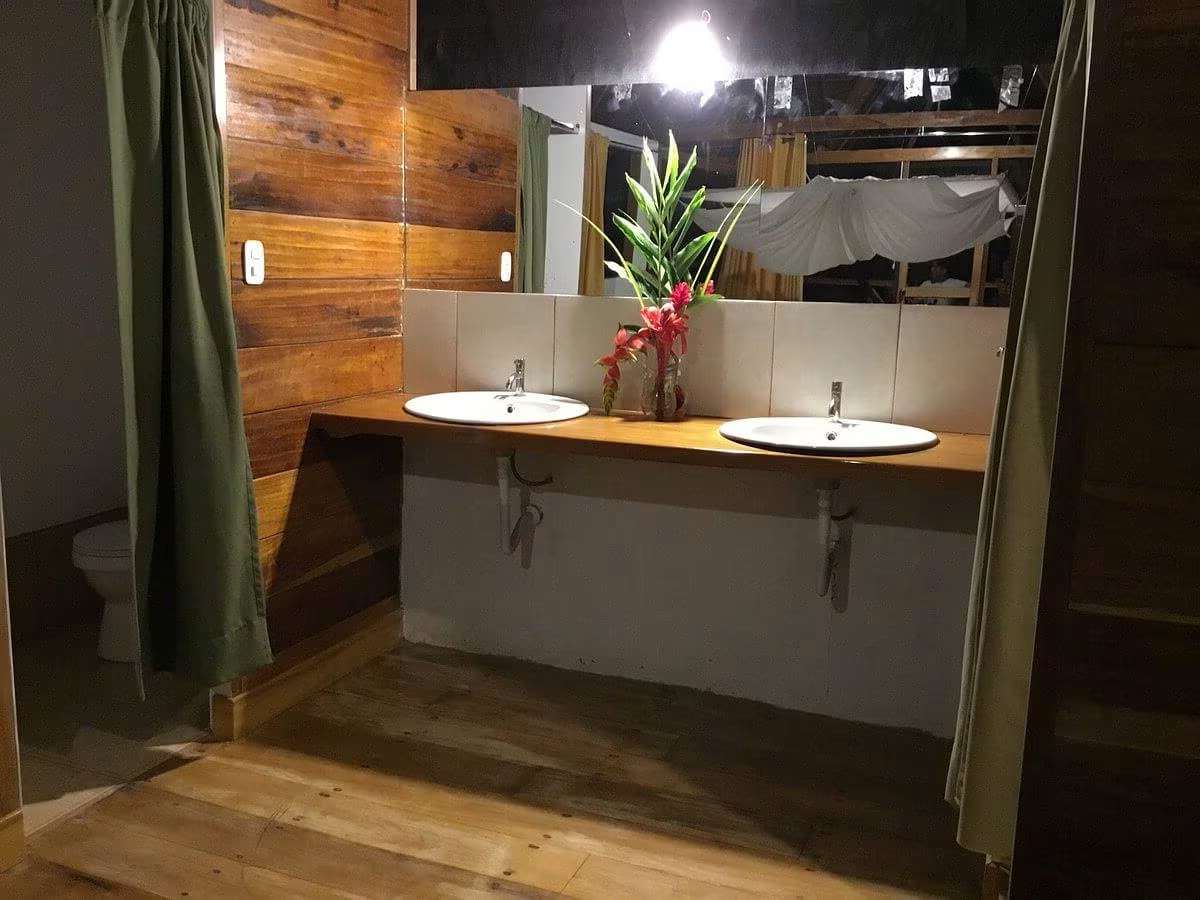
02 Nights accommodation in room with private bathroom
1 Professional bilingual guide in the jungle
1 Motor boat transportation for all trips
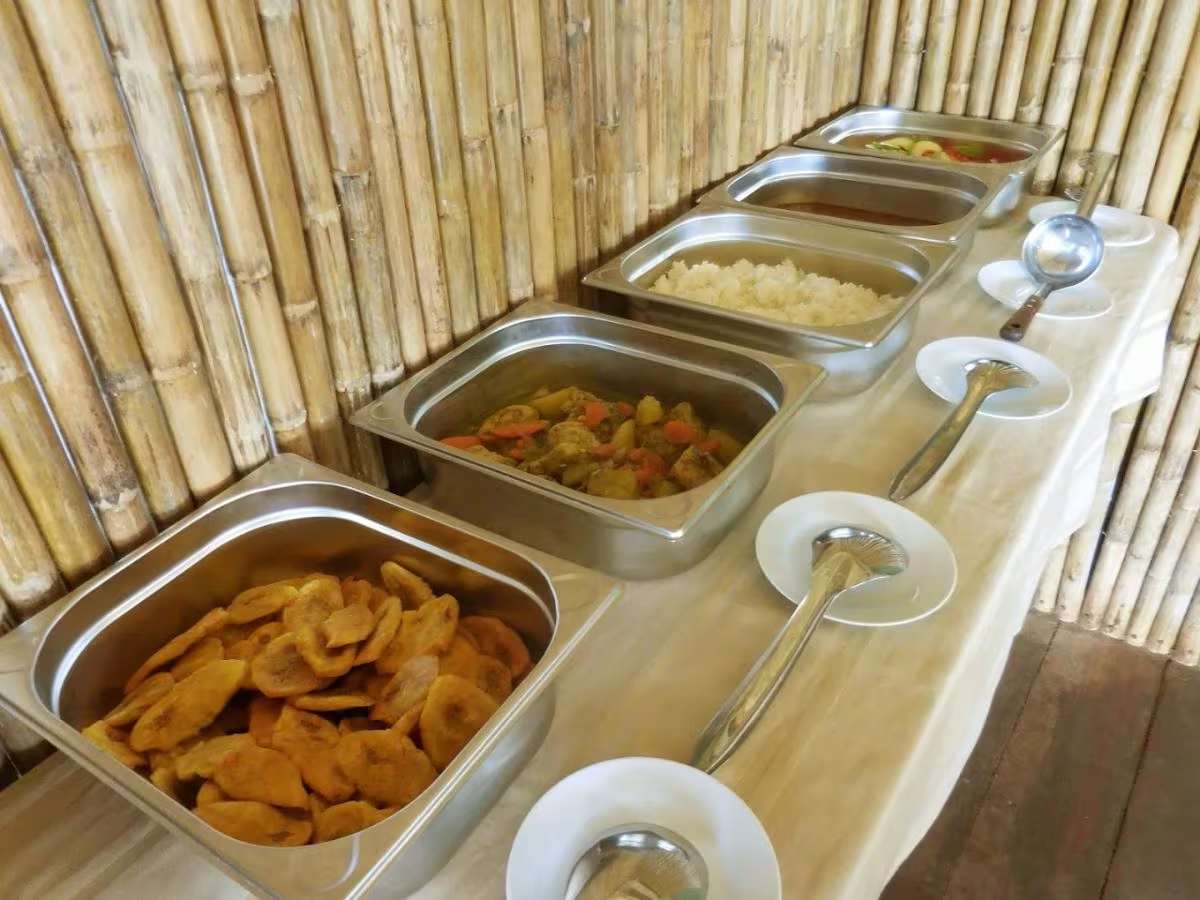
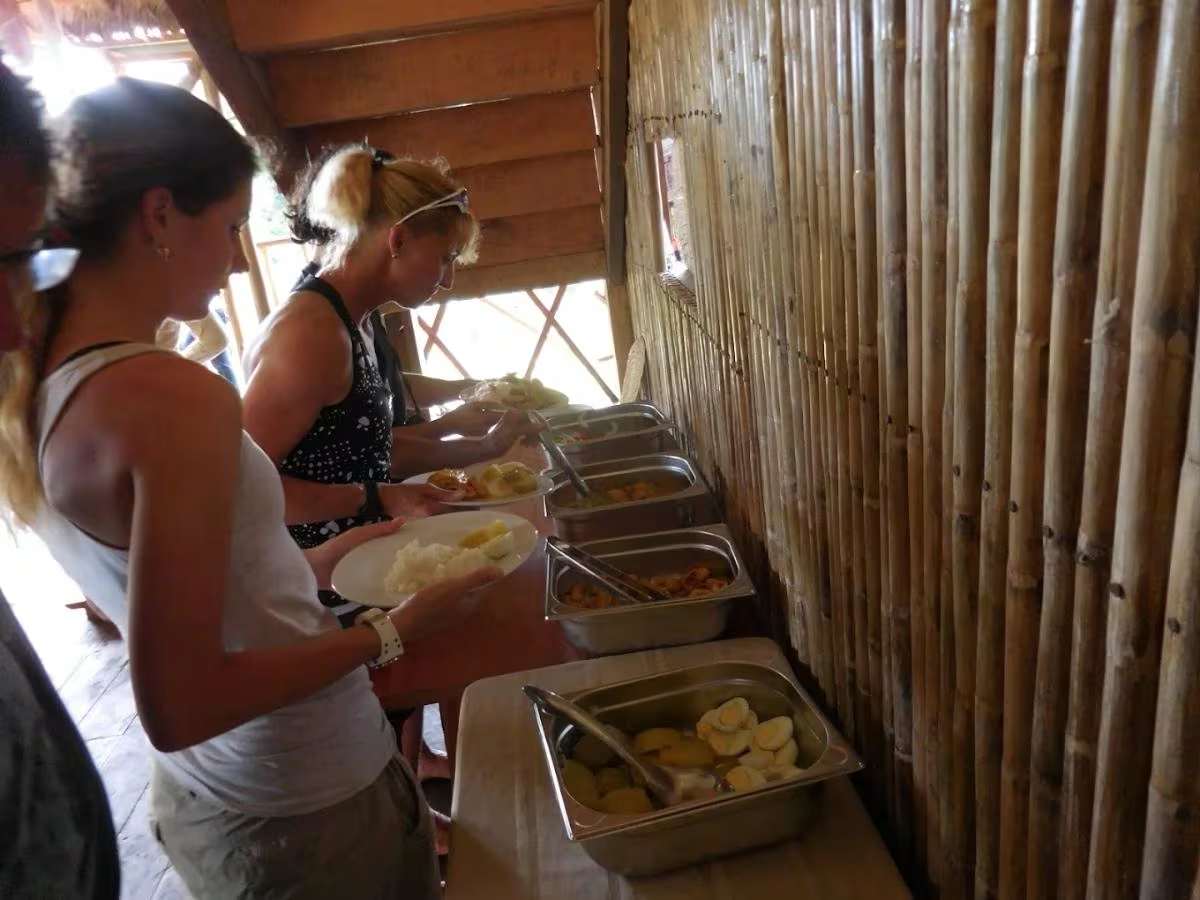
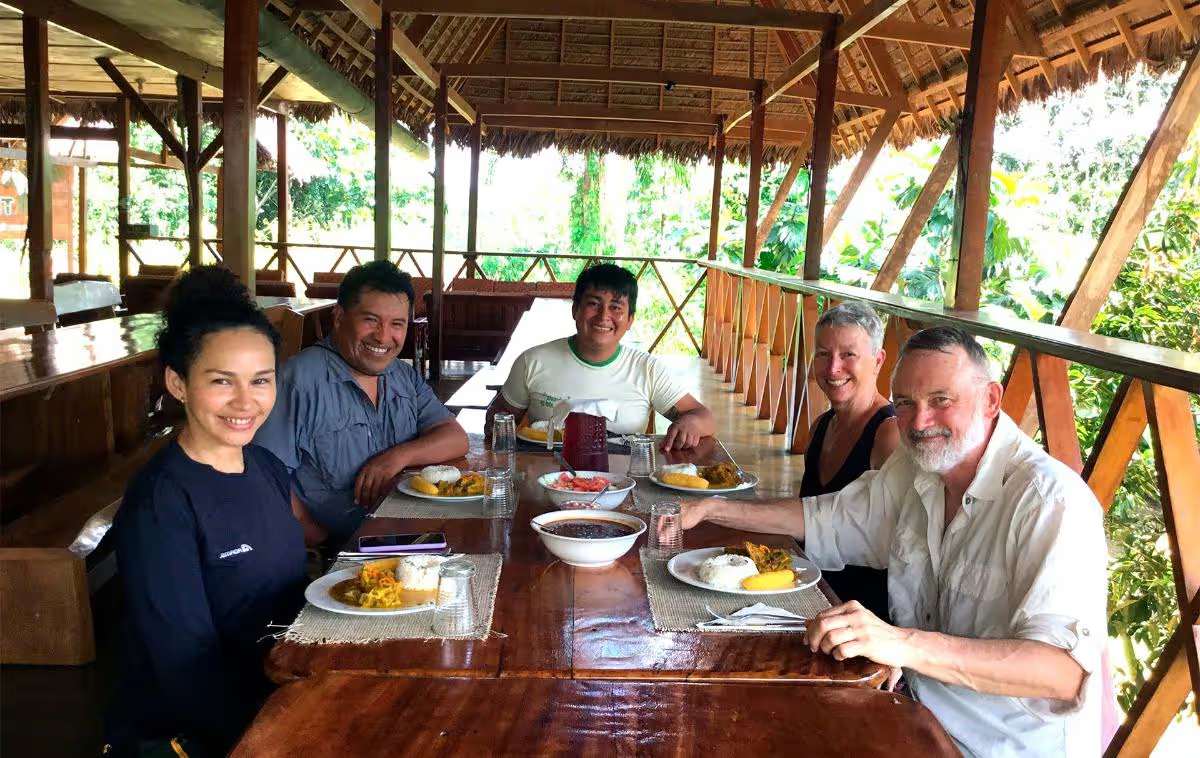
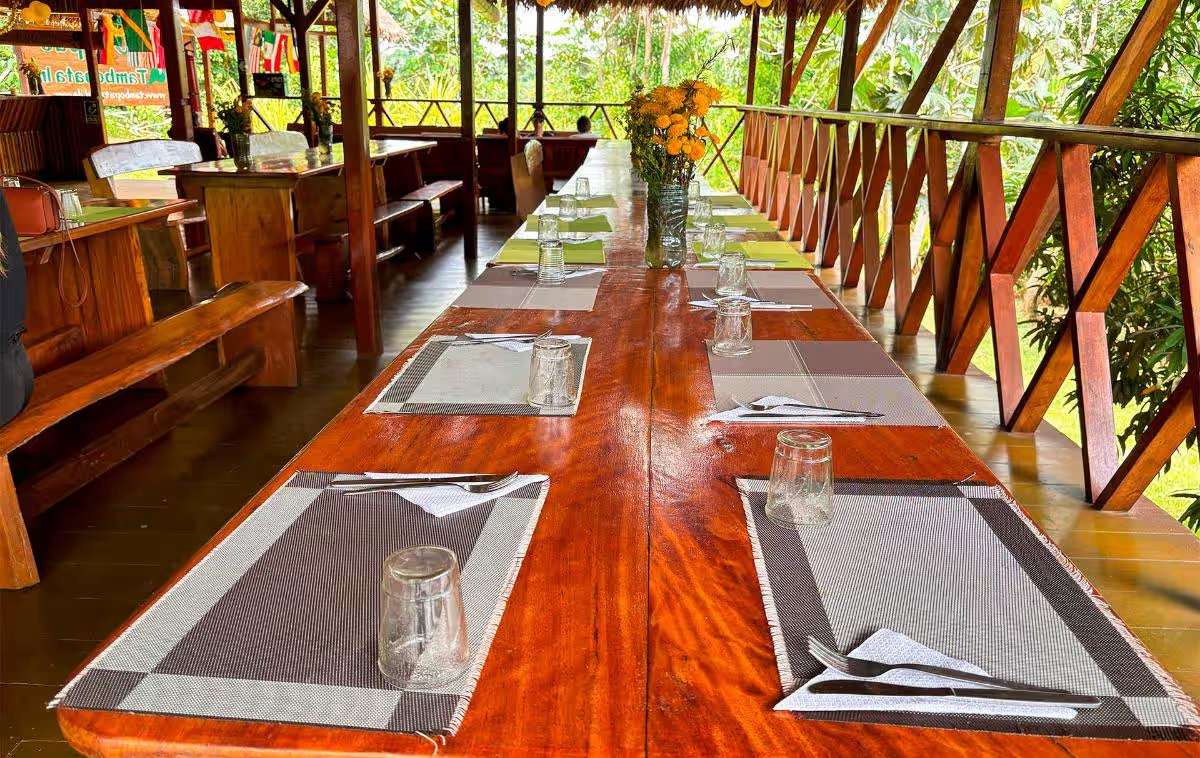
Breakfast (2) Dinner (2) Lunch (2)
All activities listed in the itinerary
Purified Water 24 hours (To recharge your canteen)
Wellingtons (Rubber boots)
No additional payment for single room or (Solo traveler)
Storage room for large luggage
First aid kit
Drop off to (Airport or bus station)
Where you’ll be:
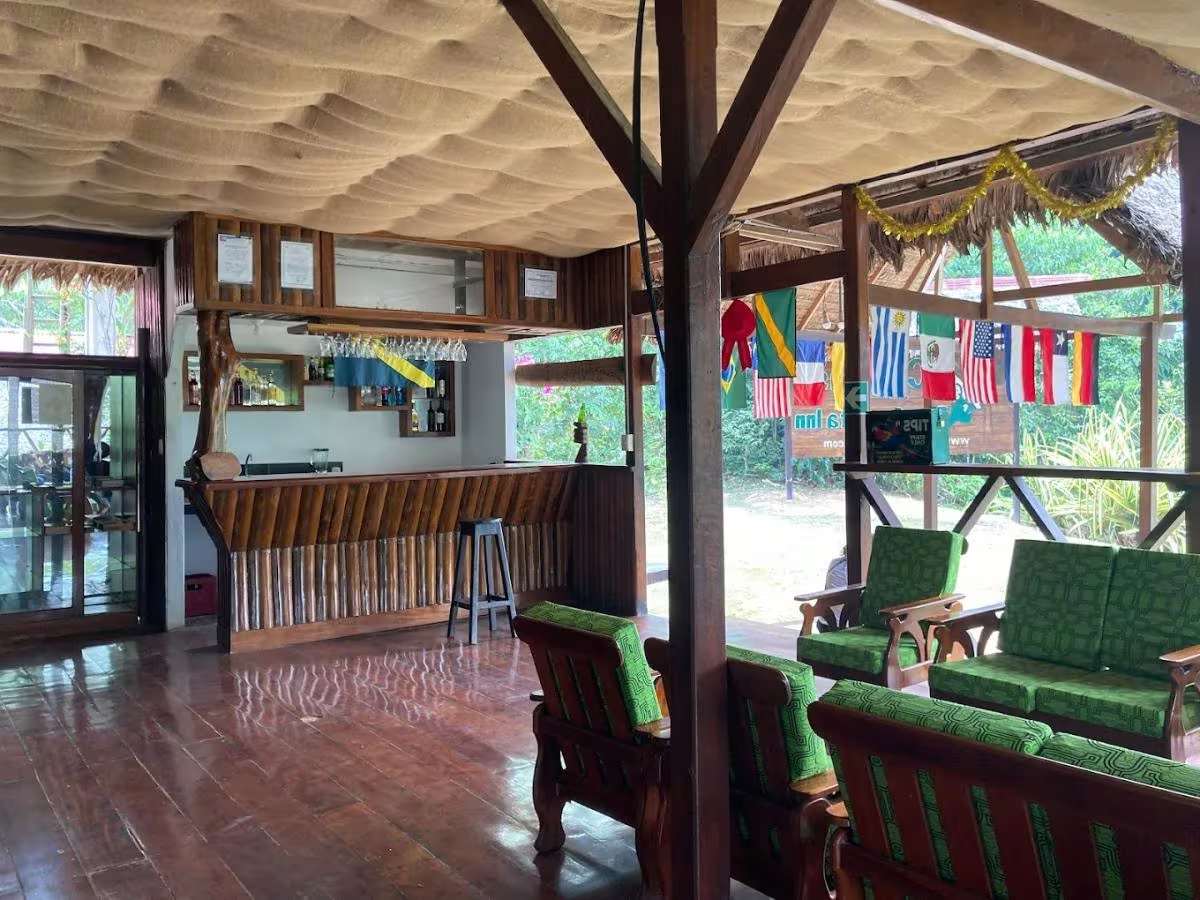
Drinks bought at the bar
Gratuities
Domestic Flights or Bus from/to Cusco, Lima
Extra snacks and drinks
Travel insurance
Health coverage
Extra snacks and drinks
Day 1 – Welcome to the Heart of the Tambopata Amazon
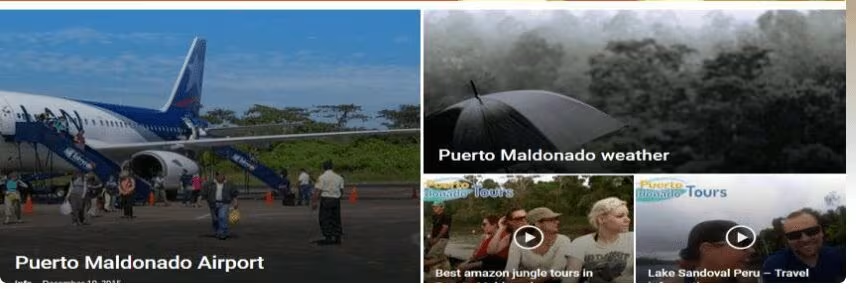
Upon your arrival at Puerto Maldonado Airport or the bus station, our friendly team will be there to warmly welcome you and assist with your transfer to our office. Here, we will provide all the information and final arrangements for your Amazon adventure, making sure you are comfortable and ready for the journey ahead. Before leaving the city, we recommend repacking your essential items for the rainforest so you have everything you need during your stay.
Next, we will begin a scenic two-hour drive through beautiful landscapes until we reach the impressive Tambopata River, the gateway to your unforgettable Tambopata tours experience. Along the way, you will enjoy your first glimpses of the lush Amazon rainforest and its incredible natural beauty.
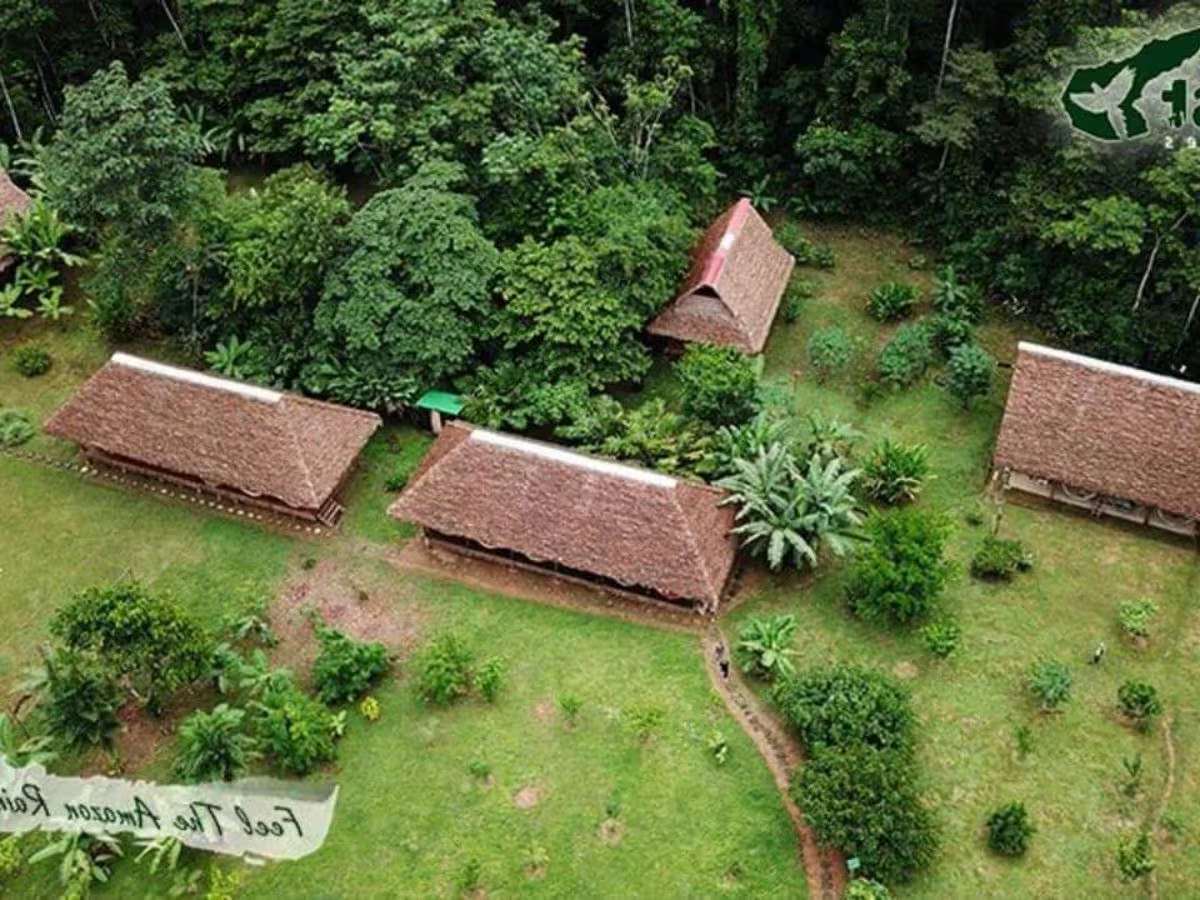
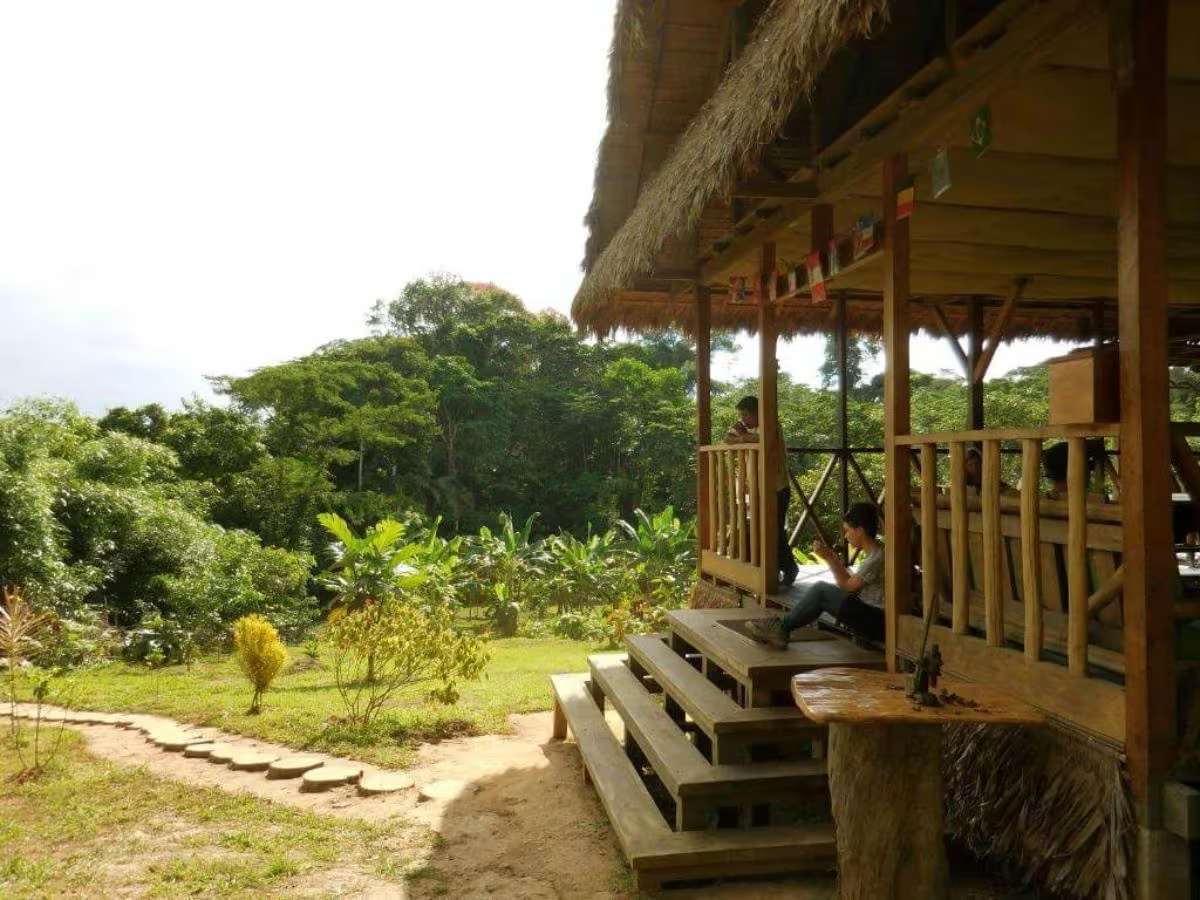
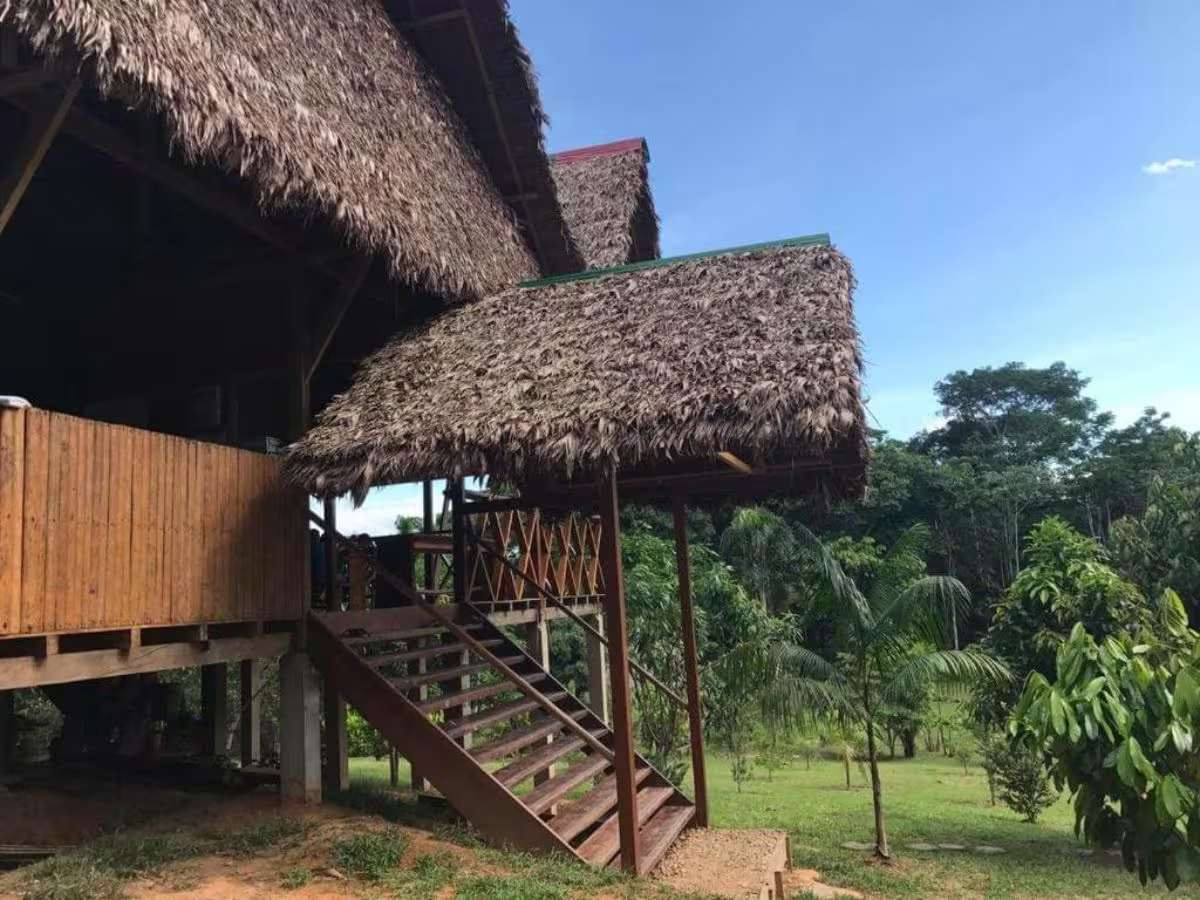
At the riverbank, a motorized boat will be waiting to take you deep into the heart of the Peruvian Amazon. As we navigate the peaceful waters of the Tambopata River, you can relax and enjoy the sounds of birds, the surrounding rainforest, and the unique atmosphere of this remarkable ecosystem. Upon arrival at our comfortable ecolodge, you will have time to settle into your room before enjoying a freshly prepared lunch.
In the afternoon, we will head out on an exciting guided jungle walk through the rainforest trails. Your local guide will introduce you to the incredible plants and wildlife that make Tambopata so special, including colorful frogs, fascinating insects, reptiles, monkeys, and many other rainforest species that inhabit this protected area.
As evening arrives, the Amazon transforms into a completely different world. After a delicious dinner at the lodge, we will gather for a friendly briefing about the adventures planned for the following day and answer any questions you may have. Your Tambopata tours experience has only just begun, and we look forward to sharing the beauty, wildlife, and unforgettable moments of the Amazon rainforest with you.
Day 2 – Chuncho Macaw Clay Lick and Night Caiman Adventure
Very early in the morning, at around 4:30 a.m., we will begin one of the most memorable experiences of your Tambopata tours. We will travel by motorized boat along the Tambopata River to visit the famous Chuncho Macaw Clay Lick, one of the best places in the Peruvian Amazon to observe colorful macaws and parrots in their natural habitat. As the rainforest awakens with the first light of day, you will enjoy the peaceful sounds of the jungle and the beauty of the river surrounded by lush forest.
During the boat ride, keep your eyes open for wildlife along the riverbanks. It is possible to spot capybaras, tapirs, monkeys, and many species of birds, and with a little luck, even a jaguar crossing near the river. Every journey is unique, making this early morning adventure a truly special part of your Amazon experience.
When we arrive at the clay lick, we will settle into a comfortable observation area and quietly watch nature unfold. Before the macaws arrive, different species of parrots gather on the clay wall to feed on the mineral-rich clay, an important part of their diet. Soon after, magnificent scarlet, blue-and-yellow, and red-and-green macaws fill the sky with their bright colors and lively calls, creating an unforgettable wildlife spectacle.
After enjoying this incredible experience, we will return to our ecolodge for a delicious breakfast and some time to relax. Later, we will take a gentle walk through the botanical gardens, where your guide will introduce you to tropical fruit trees, giant rainforest trees, and medicinal plants that have been used for generations by local Indigenous communities.
In the evening, after dinner, we will head out on a night boat excursion along the Tambopata River in search of caimans. With the help of your guide’s flashlight, you will spot their glowing eyes shining in the darkness while learning about these fascinating nocturnal animals and the unique life of the Amazon after sunset. This day is filled with incredible wildlife, beautiful scenery, and unforgettable moments that make Tambopata tours a truly magical adventure.
Day 3 – Canopy Tower Experience and Departure
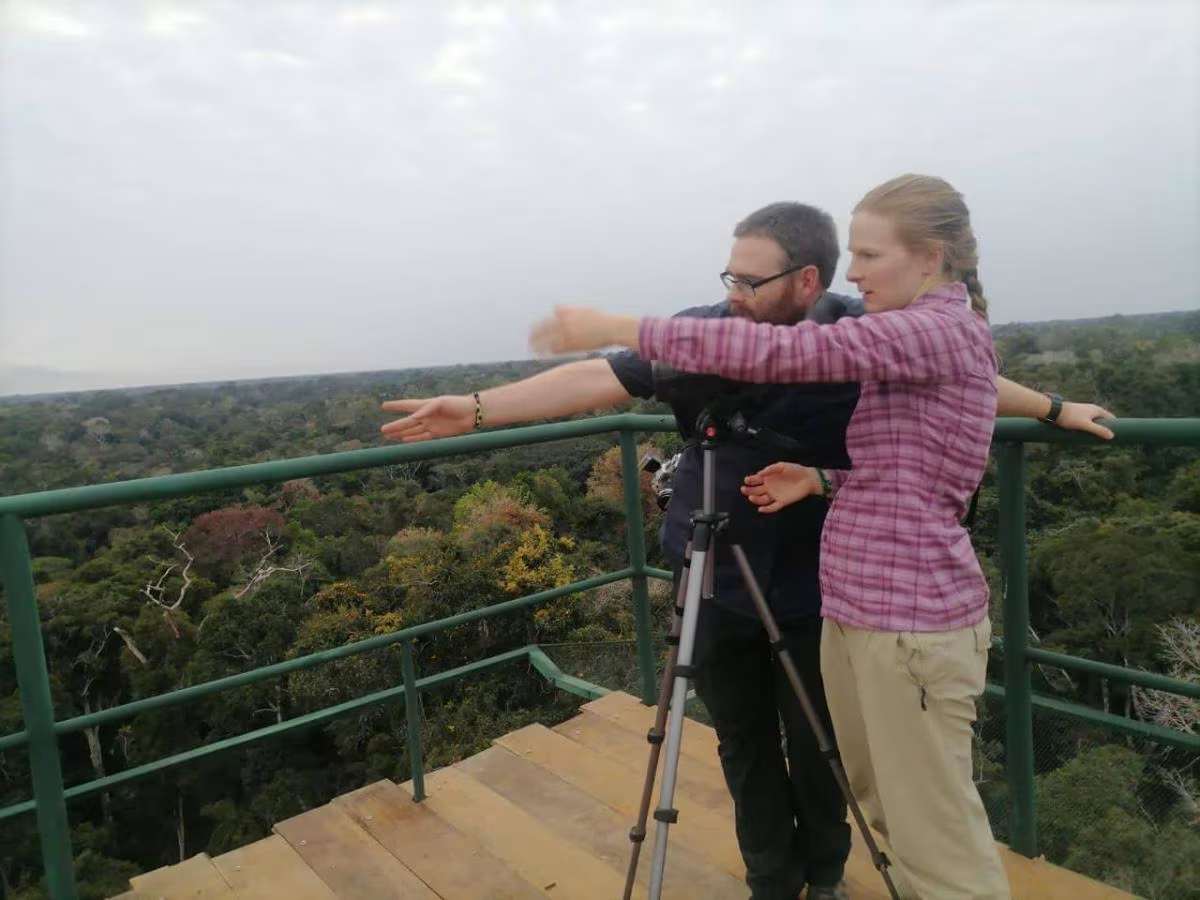
Wake up to the peaceful sounds of the Amazon and enjoy one final morning surrounded by the beauty of the rainforest. At around 6:00 a.m., we will begin the day with a visit to the canopy towers, where you will discover the Tambopata rainforest from a completely different perspective.
Climbing more than 30 meters (100 feet) above the forest floor, you will be rewarded with breathtaking panoramic views over the endless Amazon canopy. This is a wonderful spot for birdwatching, as the treetops are home to a great variety of colorful birds, including parrots, macaws, toucans, and many other species that are often easier to observe from above. As the morning sun rises over the forest, you will have the opportunity to admire the incredible beauty and diversity of the Amazon from this unique viewpoint.
After returning to the lodge, a delicious breakfast will be served before it is time to say goodbye to the rainforest. We will travel back by motorized boat along the Tambopata River to Puerto Maldonado, where our team will transfer you to the airport according to your flight departure time.
We hope your Tambopata tours experience leaves you with unforgettable memories, amazing wildlife encounters, and a deeper connection to the incredible Peruvian Amazon. We look forward to welcoming you back for another adventure in the future.
Pick Up / Tour start
- Arriving by Night Bus (from Cusco, Puno, etc.)
We are happy to provide complimentary pick-up from the bus station between 6:00 am and 10:00 am. - Arriving by Plane (from Cusco, Lima, etc.)
Complimentary airport pick-up is available between 8:00 am and 2:00 pm. - We recommend arriving as early as possible.
Booking the earliest available flight or arriving on an early morning bus will allow you to enjoy more activities and make the most of your first day in the Amazon. - Macaw Clay Lick Tours
If you are joining one of our Macaw Clay Lick tours, please plan to arrive before 10:00 am, as this activity follows a fixed group schedule. For our other tours, arrivals are flexible anytime before 4:00 pm. - Staying at a Hotel in Puerto Maldonado
Hotel pick-up is available between 8:40 am and 9:20 am. - Solo Travelers
Solo travelers are very welcome! We will coordinate your transfers and activities with other guests whenever possible, early arrival is recommeded.
Drop off / Tour end
* This tour ends at 9:30 am, the drop off to the airport or to the bus station is included at any time, this is possible only on the last day of the tour. * People staying in hotel in Puerto Maldonado, the drop off will be at the main square (Plaza de armas)
We kindly recommend booking the latest flight or bus departure available. Airport and bus station drop-offs are arranged after the final morning activities, giving you the opportunity to fully enjoy your last day before returning home.
No Age Limit
There are no age restrictions for arrival
Pets
Pets are NOT allowed.
Cards accepted
We accept all major credit cards including Visa, MasterCard, American Express (AMEX).We accept also Bank transfer to our account number and PayPal for credit card processing.
Departure PointTraveler pickup is offeredPadre Aldamiz International Airport (Puerto Maldonado)Confirmation will be received within 48 hours of booking, subject to availabilityNot wheelchair accessibleNote: departure to the airport on day 3 will take place right after breakfast. Please plan your departure flight accordinglyIt is recommended you bring light pants, long sleeved shirts, hiking shoes, rain jacket, day pack, flashlight, binoculars, pocket knife and insect repellentMinimum age is 5 years oldMaximum luggage per person is 30 pounds (15 kg) Passport name, number, expiry and country is required at time of booking for all participantsPlease advise any specific dietary requirements at time of bookingNote: to conserve energy, the power is turned off for a short amount of time in the afternoon. Due to this, it is possible the lodge will be hot during this time.Not recommended for travelers with back problemsNot recommended for pregnant travelersNo heart problems or other serious medical conditionsMost travelers can participateThis tour/activity will have a maximum of 9 travelers
If you cancel at least 90 day(s) in advance of the scheduled departure, there is no cancellation fee.If you cancel within 40 day(s) of the scheduled departure, there is a 100 percent cancellation fee. If you cancel between 40 and 90 day(s) in advance of the scheduled departure, there is a 50 percent cancellation fee. Learn more about cancellations. (All tickets are non refundable)
The answers provided below are based on answers previously given to customers’ questions.What is the policy on face masks and attendee health during this tour?The policies on face masks and attendee health are: Face masks required for travelers in public areas Face masks required for guides in public areas Face masks provided for travelers Temperature checks for travelers upon arrivalWhat is the policy on sanitization during this tour?The policies on sanitization are:Hand sanitizer available to travelers and staff Regularly sanitized high-traffic areas Gear/equipment sanitized between useTransportation vehicles regularly sanitizedWhat is the social distancing policy during this tour?The policies on social distancing are:Social distancing enforced throughout experienceContactless payments for gratuities and add-onsWhat measures are being taken to ensure staff health & safety during this tour?The policies on staff health & safety are:Guides required to regularly wash hands Regular temperature checks for staffPaid stay-at-home policy for staff with symptomsWhat is the maximum group size during this tour?This activity will have a maximum of 10 travelers.
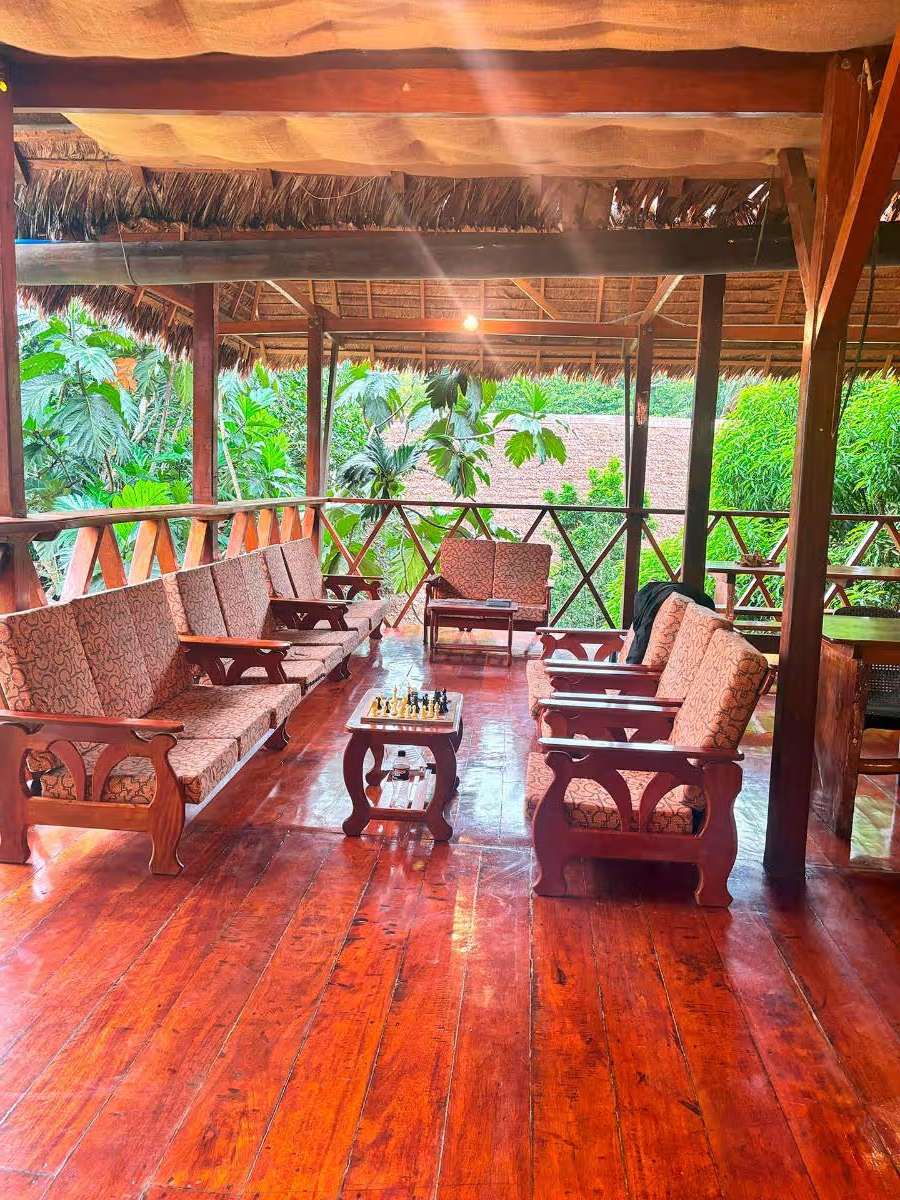
Hotel Included

Price $360 USD
93vera
Stuttgart Germany1414
⭐⭐⭐⭐⭐ (4.5)
8/16/2018
Great Excursion!
I did the excursion for 3D/2N and I had an amazing time! I wish I could have stayed longer!All the activities went as planned, everything was really well organized, the guides were all really nice and professional, the food was good, you could always drink coffee and tea.I have absolutely no complaints and would recommend

Nick M63
⭐⭐⭐⭐⭐ (4.3)
10/19/2017
Great experience in the jungle
Nicely organized lodge within a two hour reach from Puerto Maldonado with great food, friendly staff, and well equipped rooms. They organize three activities per day which we did find entertaining and interesting. Our guide Angel contributed greatly to our amazing experience.
Jeff R
Captain Cook, HI
⭐⭐⭐⭐⭐ (4.2)
May 2019 • Friends
Amazon rainforest
Absolutely fantastic! Unbelievable going up the Amazon for three hours and arriving at the lodge after dark and not believing such a wonderful site. Our guide we spent four days was Paul and was great. I’m going to take my grandsons there next year.